Gallery 1988: A Farewell to Pop Culture Art Hub in Los Angeles
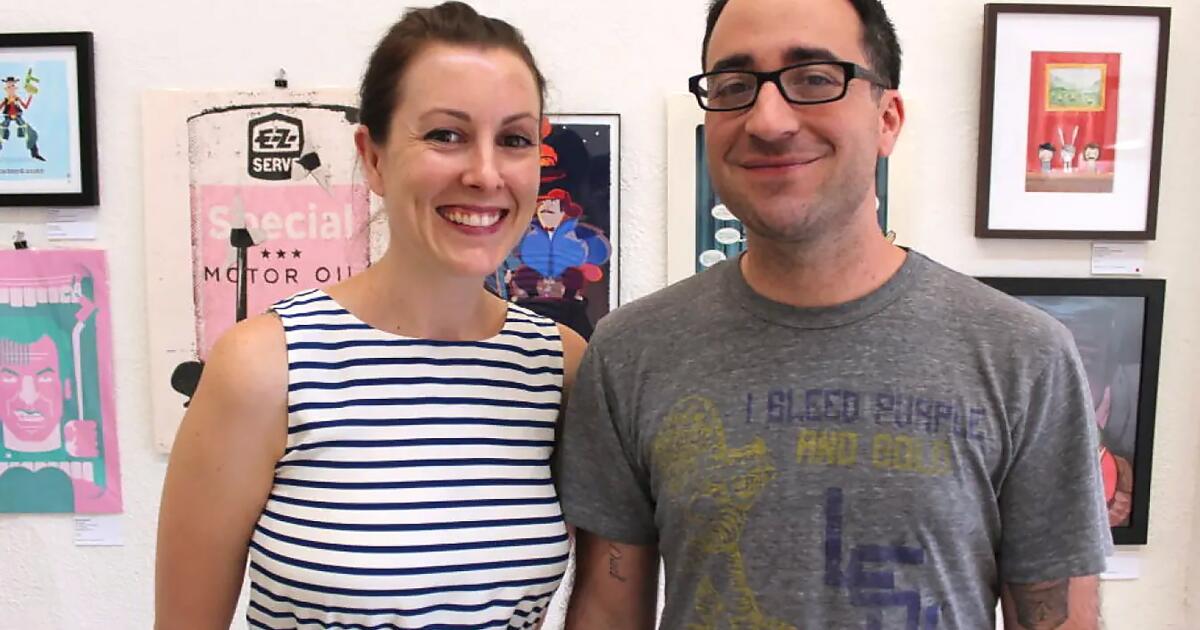
Gallery 1988, a renowned art gallery in Los Angeles known for its focus on pop culture, is set to close its doors at the end of April. The gallery, which opened in 2004, had previously shifted to an online presence after closing its physical space on Melrose. Despite efforts to sustain the business online, owner Katie Sutton cited the challenging art market as a reason for the inevitable decision to shut down.
Gallery 1988 was a hub for artists creating pieces inspired by television, film, video games, and more. It hosted popular shows like "Crazy 4 Cult," an annual event celebrating underground classics, and featured exhibitions dedicated to specific themes such as "Weird Al" Yankovic and Pokémon. The gallery also collaborated with studios on art campaigns for properties like "The Avengers" and "Star Wars: The Force Awakens," and showcased solo shows from artists like Scott C and Luke Chueh.
Offering artwork ranging from affordable prints to high-end paintings, Gallery 1988 catered to a diverse clientele, allowing art enthusiasts worldwide to acquire pieces that resonated with them. The closure of Gallery 1988 adds to the list of recent gallery shutdowns in Los Angeles, reflecting the challenges faced by the art industry as a whole.
Industry observers and art enthusiasts have pointed to factors like the rise of AI-generated content and the impact of the pandemic on consumer spending as contributing to the closure of galleries like Gallery 1988. The shift in consumer behavior and the contraction of the entertainment industry have also affected artists' ability to sell their work, leading to financial challenges for many in the art community.
While Gallery 1988 played a significant role in promoting pop culture-inspired art, the changing landscape of the art market and the saturation of similar content have posed challenges for artists and galleries alike. The closure of Gallery 1988 marks the end of an era for the gallery's contributing artists, who may now face difficulties in finding alternative platforms to showcase their work and sustain their livelihoods.
In conclusion, the closure of Gallery 1988 highlights the evolving dynamics of the art industry and the challenges faced by galleries and artists in today's digital age. Despite its significant contributions to the pop culture art scene, the gallery's shutdown underscores the broader shifts in consumer preferences and the need for artists to adapt to a rapidly changing market landscape.