Gary Woodland's Journey: Overcoming PTSD and Finding Strength on the Golf Course
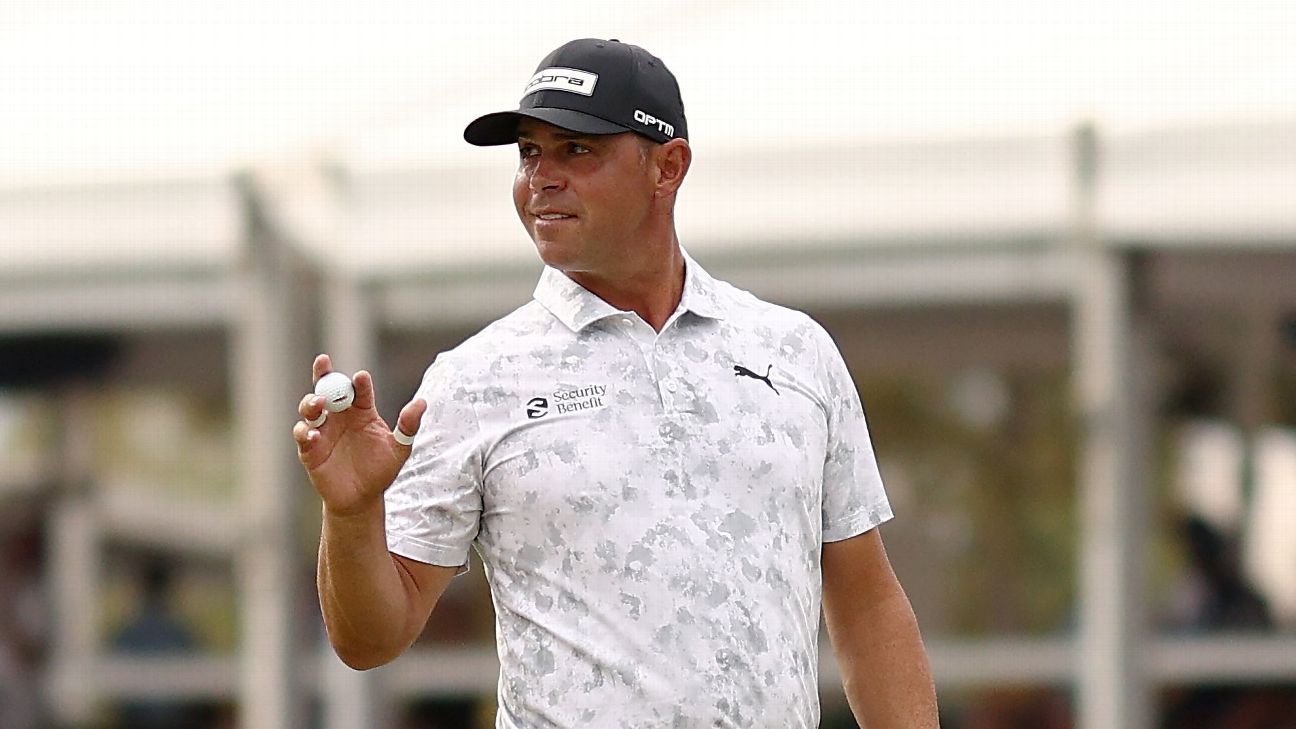
Gary Woodland, a professional golfer, recently opened up about his battle with post-traumatic stress disorder (PTSD) and the challenges he has faced. Despite his struggles, Woodland found solace in golf, which gave him a sense of purpose and something to fight for beyond himself and his family. He shared his emotional journey at Augusta National, expressing the difficulties he has encountered and the importance of not letting his condition define him.
Woodland's diagnosis of PTSD, typically associated with combat veterans and survivors of violence, has been a hidden burden for him over the past year. He revealed the toll it took on him, both mentally and emotionally, as he navigated the demands of professional golf while dealing with hypervigilance and the fear of potential triggers during tournaments. Despite the challenges, Woodland's win at the Houston Open provided him with a confidence boost and reaffirmed his ability to compete at a high level.
The golfer's decision to share his struggles publicly was a significant step in his healing process. By being open about his battle with PTSD, Woodland hoped to alleviate the pressure of maintaining a facade and to raise awareness about mental health issues. He acknowledged the difficulty of setting boundaries and saying no to additional commitments, recognizing the impact it had on his well-being and energy levels. Woodland's vulnerability resonated with many, as he received messages of support and encouragement from those who found solace in his story.
Reflecting on his past achievements, including his U.S. Open victory, Woodland emphasized the importance of his recent experiences in Texas and the impact they could have on others facing similar challenges. He expressed a desire to inspire individuals struggling with their own battles to persevere and pursue their dreams, highlighting the resilience and determination required to overcome adversity. Woodland's journey serves as a reminder that everyone faces obstacles, and it is essential to seek support and prioritize mental well-being in the face of adversity.