Steve McMichael's Legacy: Exploring the Link Between ALS and CTE in Athletes
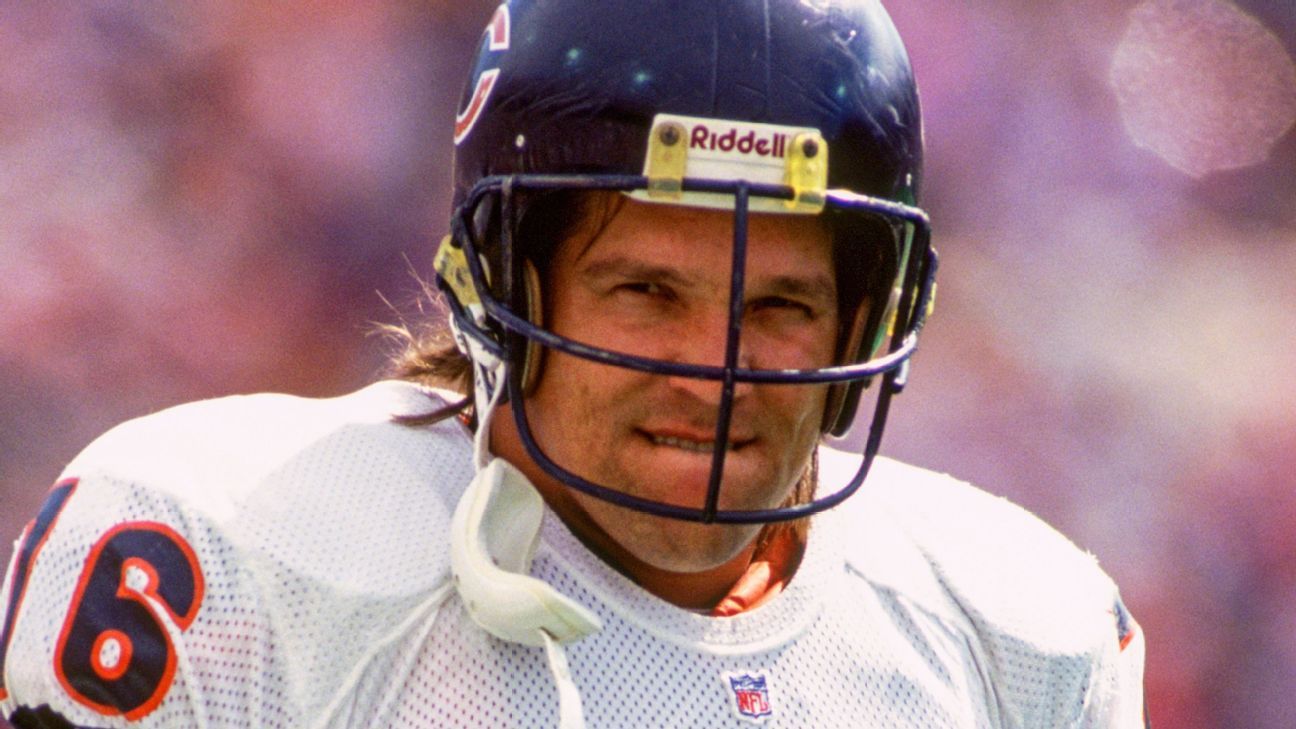
Hall of Famer Steve McMichael, a former member of the 1985 Chicago Bears Super Bowl-winning team, has been diagnosed with chronic traumatic encephalopathy (CTE), as confirmed by the Concussion & CTE Foundation. McMichael passed away last year at the age of 67 after a battle with ALS, also known as Lou Gehrig's disease. His wife, Misty McMichael, donated his brain for research to explore the connection between ALS and CTE. CTE is a degenerative brain disease associated with repetitive head trauma, often found in athletes and veterans.
CTE can only be diagnosed posthumously and has been linked to mood swings, impulsive behavior, and depression. A study by Harvard Medical School and the Boston University CTE Center revealed that NFL players are more than four times likely to develop ALS compared to other men. Dr. Ann McKee from the Boston University CTE Center noted that approximately 6% of individuals with CTE also have ALS, indicating a strong connection between repetitive brain trauma and the disease.
McMichael, a former All-Pro player and Pro Football Hall of Fame inductee, played 191 consecutive games for the Bears from 1981 to 1993, earning the nicknames "Mongo" and "Ming The Merciless." He recorded 92.5 sacks during his career, ranking second in Bears history behind Richard Dent. After retiring from the NFL, McMichael pursued a career in professional wrestling. In 2021, he disclosed his ALS diagnosis and expressed interest in contributing to research on the link between ALS and CTE by donating his brain for study.
The Concussion & CTE Foundation, co-founded by Chris Nowinski, supported McMichael's decision to donate his brain for research. The foundation aims to raise awareness and advance research on brain injuries in sports and other fields. McMichael's case highlights the importance of understanding the long-term effects of head trauma and the potential connections between different neurological conditions. His legacy as a football player and advocate for brain health will continue to inspire further research and awareness in the field.