Ceasefire Agreement Between Iran and U.S.: Implications for Energy Markets and Regional Stability
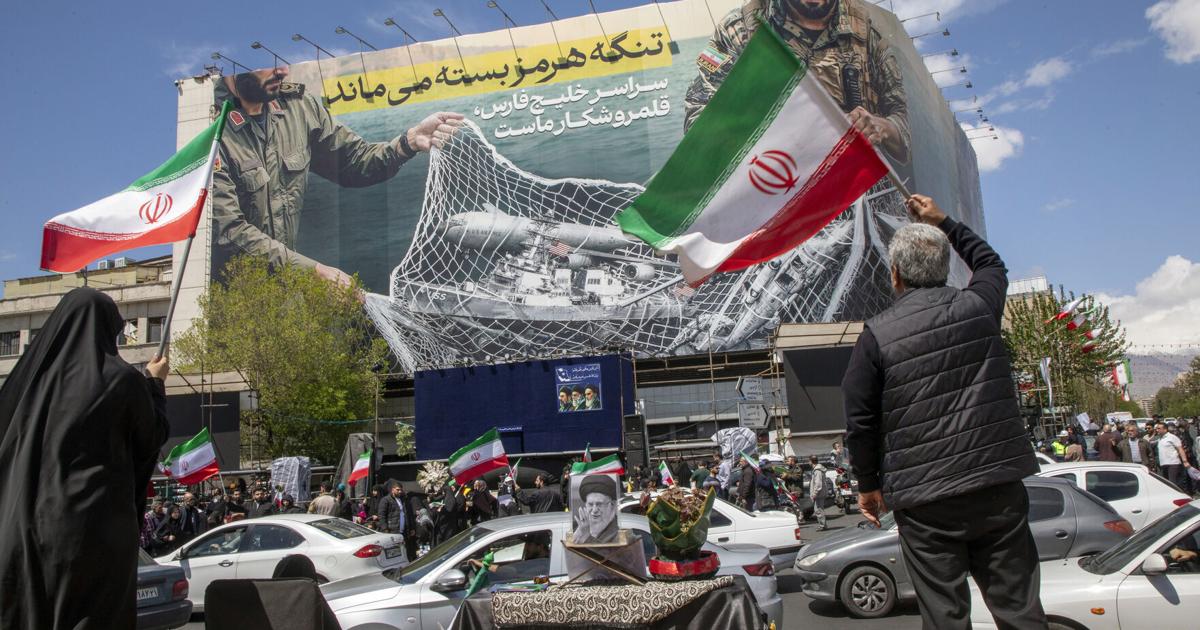
Iran and the United States reached a two-week ceasefire agreement, with Iran committing to reopen the Strait of Hormuz. President Donald Trump announced the deal, emphasizing a shift towards negotiations rather than escalating the conflict. The agreement led to a drop in oil and gas prices, signaling a potential resumption of energy supplies through the critical waterway. Despite the ceasefire, reports of ongoing hostilities in the Persian Gulf raised concerns about the truce's immediate implementation.
Trump's decision to pursue talks marked a significant departure from his earlier threats of devastating attacks on Iran. The agreement included discussions on sanctions relief and the prevention of uranium enrichment in Iran. The ceasefire announcement triggered a decline in oil prices, with Brent crude falling by 18% and European natural gas futures experiencing a significant drop.
While the ceasefire brought relief to financial markets, challenges remained as Iran's military operations continued in the region. The agreement allowed for safe passage through the Strait of Hormuz for two weeks, subject to coordination with Iran's armed forces. The ceasefire was seen as a concession by the U.S. to Iran, highlighting the complex negotiations between the two nations.
The ceasefire's impact extended beyond the U.S. and Iran, with reports of missile and drone attacks by Iran on neighboring countries. The ceasefire's fragile nature was acknowledged by U.S. Vice President JD Vance, who emphasized the completion of military objectives in Iran. Financial markets responded positively to the ceasefire, with stock indices and bond yields experiencing significant gains.
The ceasefire addressed a crisis that began with the U.S. and Israel's military actions in late February. While Trump claimed to have halted Iran's nuclear program, unresolved issues remained regarding Iran's missile and drone capabilities. Mediators, including Pakistani Prime Minister Shehbaz Sharif, played a crucial role in facilitating negotiations between the conflicting parties.
The terms of the ceasefire agreement included Iran's control of the Strait of Hormuz, the lifting of sanctions, and the withdrawal of U.S. combat forces from the region. The focus of future negotiations will center on ensuring safe passage through the vital waterway and addressing Iran's demands. The potential extension of the ceasefire beyond two weeks will depend on mutual agreement and the progress of ongoing talks.