Strait of Hormuz Ceasefire: A Delicate Truce in the Middle East
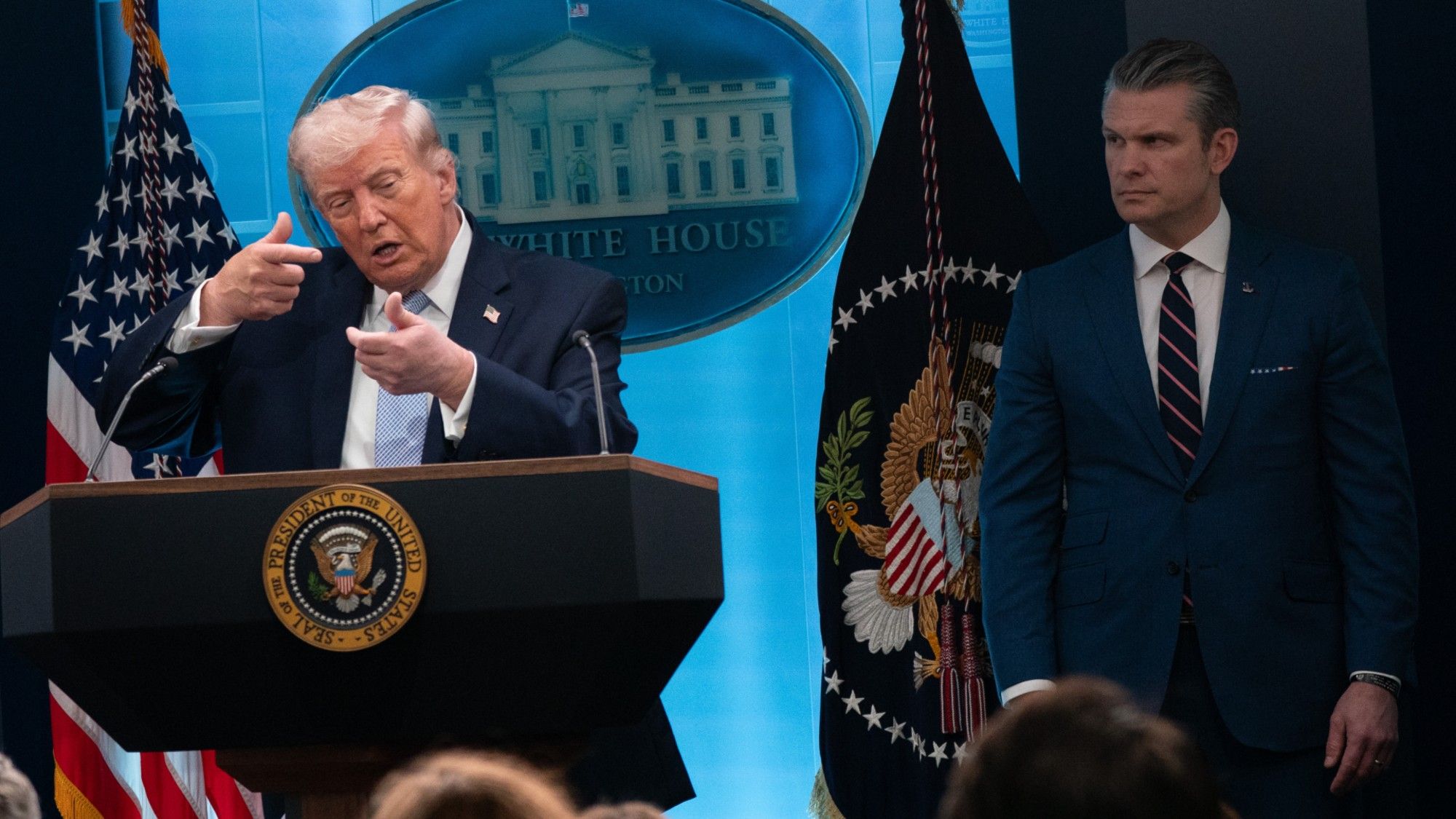
President Trump announced a two-week ceasefire agreement with Iran, contingent on the complete, immediate, and safe opening of the Strait of Hormuz. Iran agreed to the ceasefire proposed by Pakistan but insisted on maintaining control of the strait. Israel also agreed to halt attacks on Iran, except in Lebanon, according to Prime Minister Netanyahu. Iranian state TV described Trump's acceptance of Iran's terms as a humiliating retreat, while Trump claimed the ceasefire as a total victory for the U.S.
The terms of the ceasefire were unclear, with Trump acknowledging Iran's 10-point plan as a basis for negotiation. However, Iran's plan included charging transit fees for vessels passing through the strait, a new development post-war. Iran's condition for safe passage through the strait, involving coordination with its Armed Forces and technical limitations, gives Iran control over the speed of passage. The U.S. will assist in managing traffic in the strait, leading to potential economic opportunities for both countries.
Despite the ceasefire agreement, tensions remained high, with Iran launching missiles at Gulf Arab countries and Israel continuing strikes on Iran. Peace talks between the U.S. and Iran are scheduled to take place in Islamabad on Friday. The ceasefire, while providing a temporary respite, does not address the underlying issues that led to the conflict.