The Beatles' Controversial Journey to Japan: A Cultural and Political Turning Point
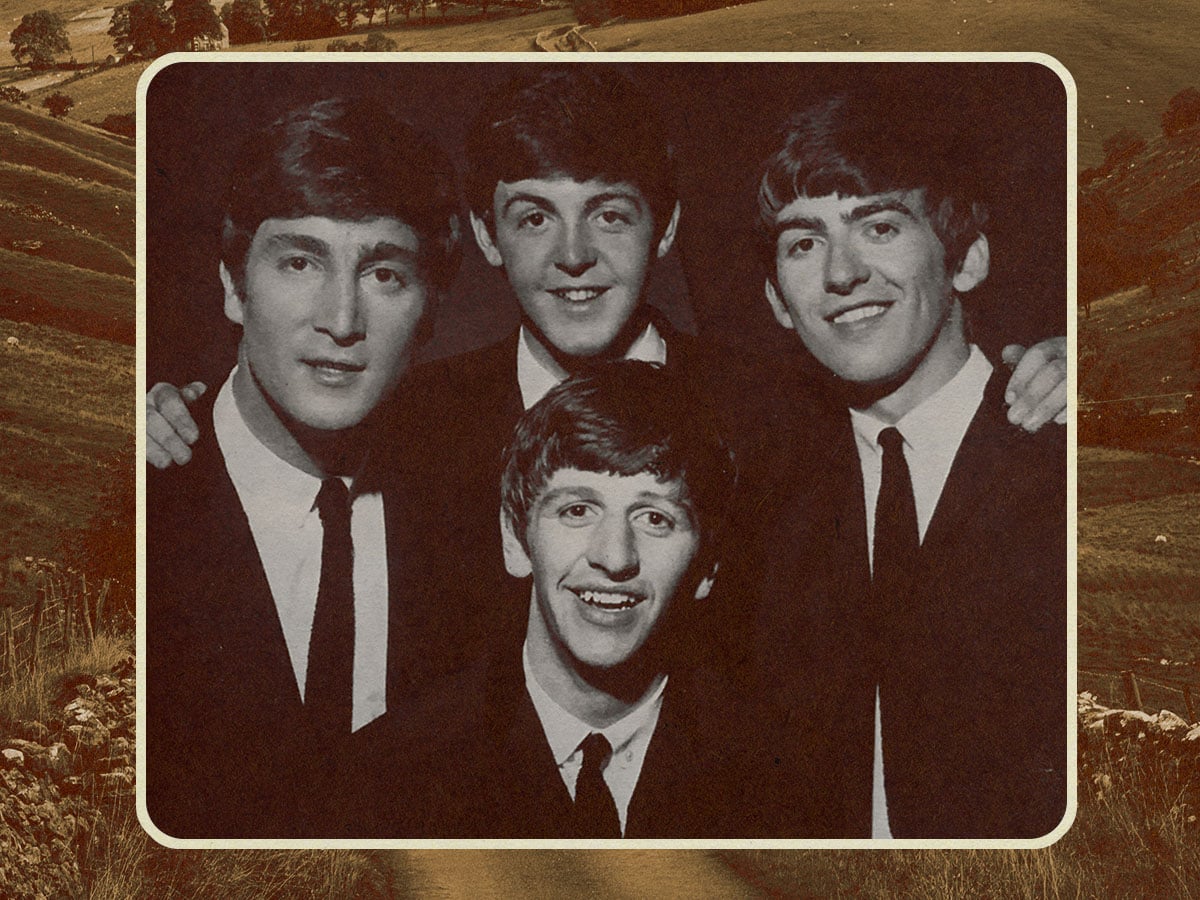
In 1966, The Beatles faced a tumultuous journey to Japan, where their arrival stirred political tensions and cultural divides. The band's performance at the Nippon Budokan, a venue typically reserved for martial arts competitions, sparked controversy and opposition from various quarters. Despite calls for cancellation, The Beatles' concerts went ahead as planned, with a massive police presence ensuring security during their stay.
Upon their arrival in Japan, The Beatles were met with a fervent fan base and a death threat, which they were shielded from by their management. Confined to their hotel room, the band found solace in painting and preparing for their performances at the Budokan. The concerts, marked by tight security and restricted audience interaction, showcased a different side of The Beatles' live performances.
The Beatles' tour in Japan marked a turning point for the band, as they spoke out against the Vietnam War and connected with their Japanese audience in a unique way. Despite the challenges and restrictions they faced, the band's presence in Tokyo left a lasting impact on fans and critics alike. The tour highlighted The Beatles' ability to transcend cultural boundaries and resonate with audiences worldwide.
Overall, The Beatles' tour in Japan in 1966 was a transformative experience for the band and their fans. The concerts at the Budokan and the surrounding events reflected a changing cultural landscape and the band's evolving role in the music industry. The legacy of their time in Japan continues to resonate with fans and historians, showcasing The Beatles' enduring influence and impact on global music culture.