Title: "Africa's Evolution in World Football: From Underrepresentation to 2026 FIFA World Cup Contenders
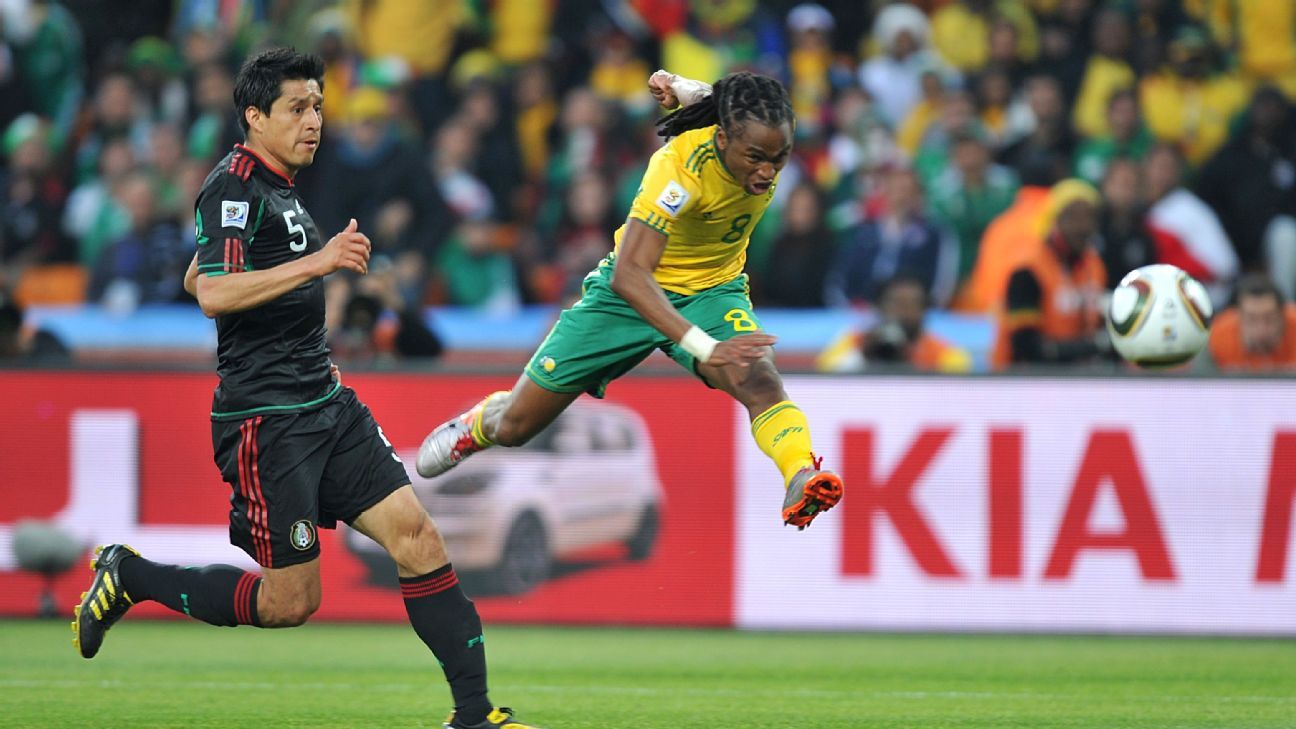
Africa's presence in the world of football has evolved significantly over the years, especially with the upcoming 2026 FIFA World Cup where 10 African teams have secured their spots. This marks a significant shift from the past when Africa's representation was limited and conditional. The journey began in 1934 when Egypt represented the continent in Italy, despite the colonial divisions that characterized Africa at the time.
For decades, Africa's participation in the World Cup was sporadic and often overshadowed by skepticism and stereotypes about the continent's teams. The narrative of African teams being athletic but lacking tactical prowess persisted, fueling misconceptions about their abilities. Despite this, there were moments of triumph, such as Algeria's victory over West Germany in 1982 and Cameroon's impressive performance in 1990, which caught the world's attention.
The years following these breakthroughs saw an expansion of opportunities for African players, with many excelling in top clubs and leagues around the world. However, the national teams continued to be treated as guests rather than contenders at the World Cup. The allocation of only five spots for African teams out of 54 countries highlighted the imbalance in representation and raised questions about the tournament's inclusivity and meritocracy.
With the recent expansion of the World Cup to include 48 teams, Africa now has 10 guaranteed spots, representing 20.8% of all teams in the tournament. This increase in allocation reflects a shift towards greater representation for African teams and a recognition of the continent's footballing talent. While some critics argue that expanding the tournament may dilute its quality, the move towards inclusivity and diversity in the World Cup is a step towards correcting historical imbalances and providing more opportunities for African teams to showcase their skills on the global stage.