Unveiling the Truth Behind the Tradwife Trend: Myths vs. Realities
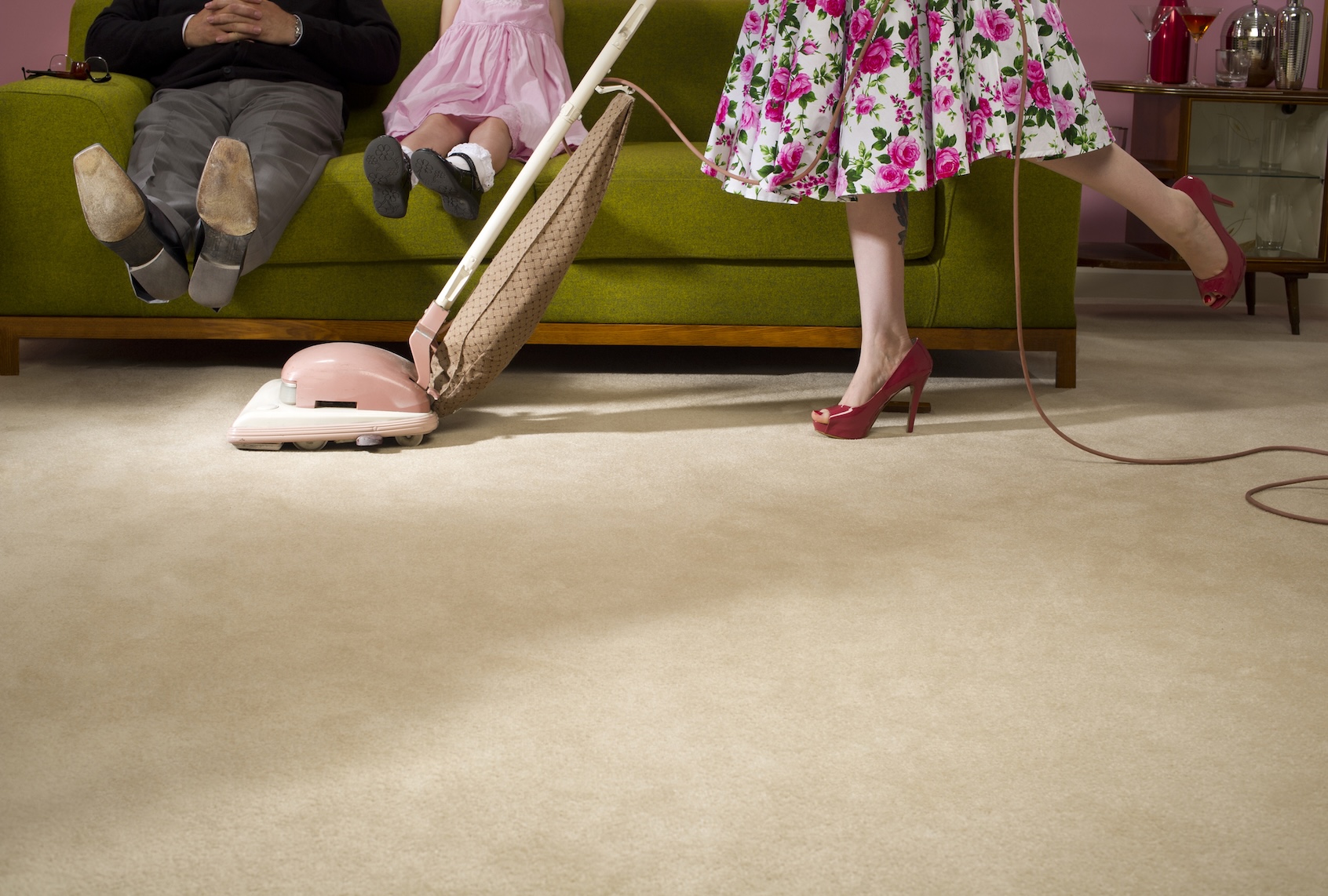
The trend of "tradwives" may be losing some media attention, but it remains popular on social media platforms. Ballerina Farm, run by former ballet dancer Hannah Neeleman, has a massive following on Instagram, showcasing traditional wifely roles. Many other women also attract millions of followers by portraying traditional domestic duties online.
The appeal of the tradwife lifestyle goes beyond picturesque images of family life. It is promoted as a way for women to earn men's love and devotion by submitting to them. Proponents argue that by relinquishing autonomy, women will receive protection and happiness beyond what feminists seeking equality can offer.
However, a recent study published in Psychology of Women Quarterly challenges the notion that men who support the tradwife movement hold positive views of women who submit to them. Surprisingly, the study found that these men expressed hostile sexism, viewing submissive women as lazy and parasitic, rather than as cherished partners.
Sociologist Jessica Calarco explains that the traditional view of marriage was centered on male power, which included exploiting wives for domestic labor, childbearing, and emotional support. The romanticized image of tradwives conceals a desire to return to a time when women had no rights within marriage, undermining the notion of mutual love and respect.
Historically, contempt for housewives has been prevalent, with depictions of wives as nagging and inferior to men. Despite women no longer being forced into marriage for survival, modern propaganda continues to lure them into believing that traditional gender roles are romantic, perpetuating harmful stereotypes.
Real-life examples, such as Lauren Southern's experience, reveal the pitfalls of embracing traditional gender roles. Southern's attempt to embody a submissive wife led to emotional abuse and isolation by her husband, highlighting the disconnect between men's expectations of women's roles and their lack of respect for them.
The documentary "Inside the Manosphere" further exposes the reality behind women's submission in relationships, where women often receive little love or care in return for fulfilling traditional roles. Financial insecurity and emotional manipulation are common in such arrangements, revealing the exploitative nature of traditional gender dynamics.
Escaping from a tradwife lifestyle can be challenging due to financial dependence and psychological barriers. Many women struggle to acknowledge the disillusionment of buying into traditional roles, especially after being warned by feminists about the risks involved.
Recent profiles of tradwives like Hannah Neeleman and her husband Daniel shed light on the complexities of such relationships. Despite public denials of unhappiness, details suggest underlying contempt and exploitation within the marriage, echoing the findings of studies on traditional gender dynamics.
The allure of tradwife hype as a pathway to marital bliss is debunked by research and real-life experiences, exposing traditional patriarchy as a justification for mistreating women rather than fostering mutual respect and love. The myth of submission as a means to secure men's devotion is shattered, revealing the inherent flaws in traditional gender roles.