Endangered Emperor Penguins: Climate Crisis Threatens Iconic Species in Antarctica
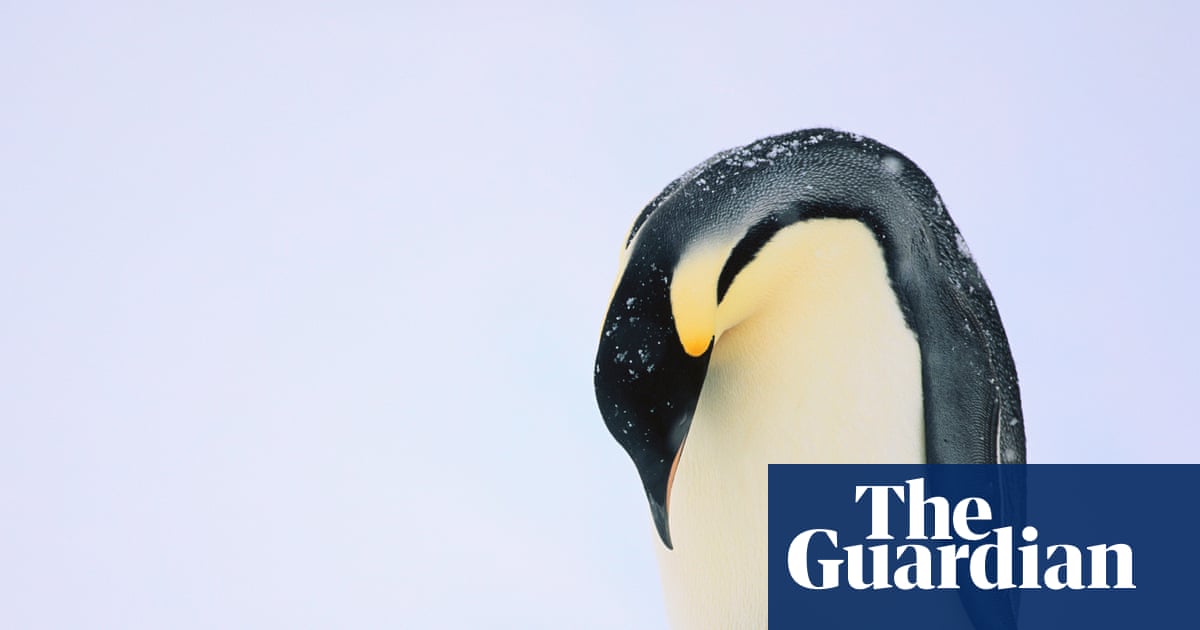
The emperor penguin, the largest penguin species, is facing a dire situation as the climate crisis causes the melting of sea ice, leading to the drowning of chicks. These penguins rely on "fast" ice attached to the coast for breeding and moulting, but record lows in Antarctic sea ice have resulted in entire colonies collapsing into the ocean, leaving chicks vulnerable to drowning and adults at risk of freezing to death. The International Union for Conservation of Nature (IUCN) has officially declared the emperor penguin as endangered due to these catastrophic events.
The recent collapse of emperor penguin breeding sites in the Bellingshausen Sea and the Weddell Sea has raised concerns among researchers, with thousands of chicks lost in these incidents. The IUCN assessment predicts a significant decline in the emperor penguin population by the 2080s, with a current estimate of 595,000 adults. This represents a 10% decrease in population between 2009 and 2018, prompting the species to move from "near threatened" to "endangered" status.
In addition to the emperor penguin, the Antarctic fur seal population has also been impacted by the climate crisis, with a significant decline since 2000 due to reduced krill availability. The seal has been reclassified as endangered on the latest red list of threatened species, highlighting the broader impact of climate change on Antarctic wildlife. Urgent action is needed to address these threats and protect these iconic species from extinction.
The decline in Antarctic sea ice and the resulting impact on emperor penguins and other wildlife underscore the urgent need to address climate change. Governments and organizations like WWF are calling for immediate action to reduce greenhouse gas emissions and protect vulnerable species. Listing emperor penguins as a "specially protected species" at the upcoming Antarctic treaty meeting in Japan is one step towards safeguarding their habitat from additional pressures like tourism and shipping.
The fate of emperor penguins, Antarctic fur seals, and other wildlife in the region is intertwined with our ability to mitigate the effects of climate change. Halting global heating by reducing carbon dioxide emissions is crucial to preserving these species and their habitats. The time to act is now to prevent further declines in populations and ensure a sustainable future for Antarctica's unique and diverse wildlife.