Health Risks of Living Near the Salton Sea: Impact on Children's Lung Development
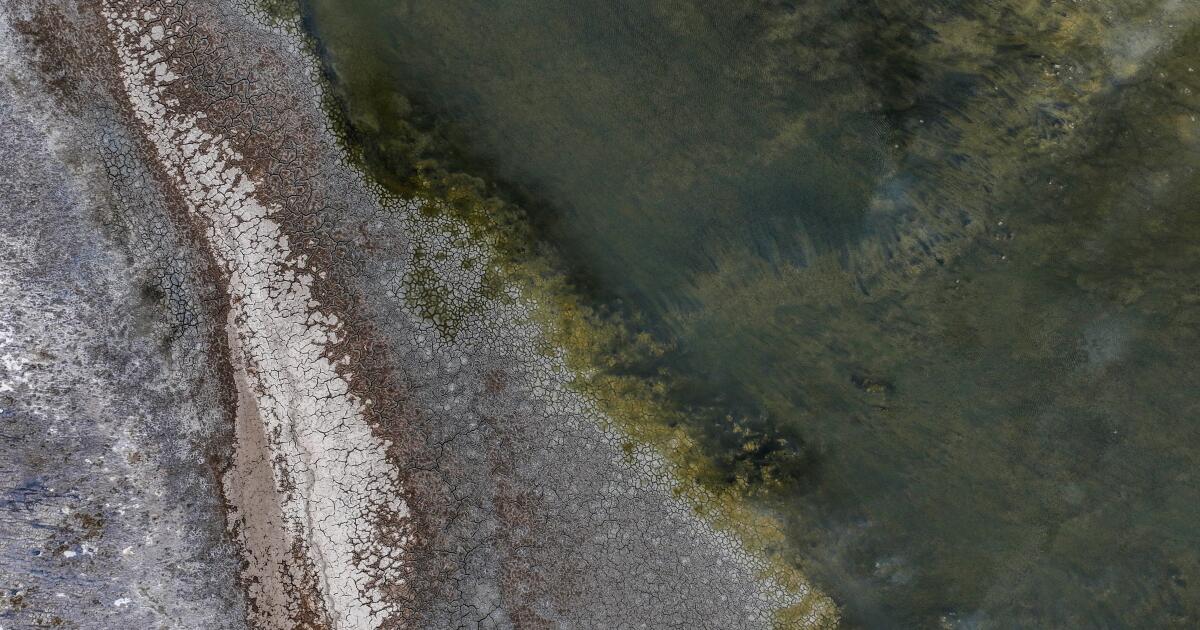
Living near the Salton Sea in California may have negative effects on children's lung development, according to new research conducted by scientists from the University of Southern California. The study found that children living within 6.8 miles of the Salton Sea showed diminished lung capacity compared to those living farther away. This slower pulmonary development is similar to the effects seen in children living close to freeways. The researchers emphasized that hindering lung growth in adolescence could lead to increased risks of respiratory, cardiovascular, and metabolic diseases later in life.
The Salton Sea, California's largest lake, has been shrinking rapidly since the early 2000s due to water diversion for urban areas. The exposed lakebed has become a significant source of toxic dust, impacting the health of residents in nearby low-income communities. Children in these areas suffer from high rates of asthma, with about 1 in 5 children affected, nearly triple the national average. The dust around the Salton Sea has been a known health concern for years, triggering lung inflammation in mice and affecting the respiratory health of children living nearby.
To address the dust issue and provide habitat for wildlife, California agencies have been implementing measures such as building berms, creating wetlands, and placing bales of straw on the exposed lakebed to block windblown dust. However, researchers believe that more efforts are needed to protect children's health from the harmful effects of dust exposure. The study highlighted the need for a renewed focus on mitigating the impact of dust from various sources in the region, including farm fields, livestock operations, diesel exhaust, and unpaved roads.
Despite the small percentage of dust from the Salton Sea contributing to overall pollution in the region, the study results indicate that proximity to the sea has a significant impact on children's health. The researchers did not differentiate between sources of dust in their study, suggesting that further research is needed to understand the specific contaminants and toxicity levels associated with dust from the Salton Sea. With looming water cutbacks on the Colorado River potentially accelerating the decline of the Salton Sea, efforts to address dust pollution and its health effects on residents need to be prioritized.
In conclusion, the research underscores the importance of addressing the health risks associated with dust exposure near the Salton Sea. Protecting children's lung development and overall health requires comprehensive measures to control dust pollution from various sources and mitigate the impact of environmental changes on the region's air quality. Efforts to safeguard public health in communities near the Salton Sea must be prioritized to prevent long-term health consequences for residents, especially children.