Survivors' Accounts: The Truth Behind the Iranian Attack on U.S. Forces in Kuwait
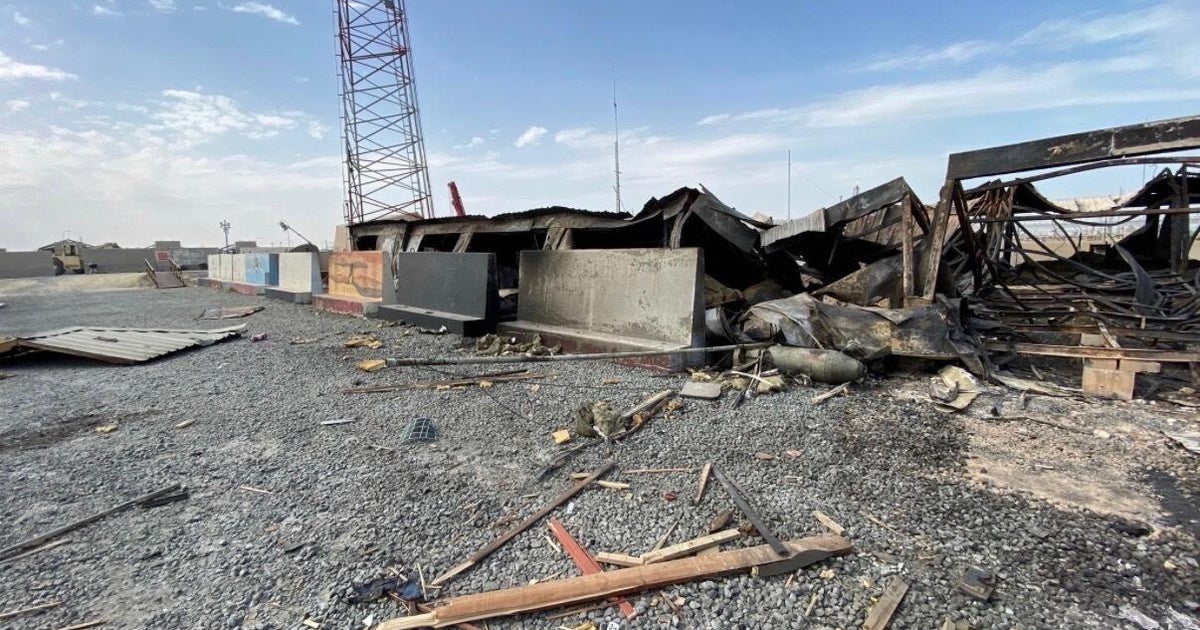
Survivors of a deadly Iranian attack on U.S. forces in Kuwait have shared their firsthand experiences, contradicting the Pentagon's account of the events. The unit targeted in the attack was left vulnerable, resulting in six service members killed and over 20 wounded. Members of the unit revealed details of the attack and its aftermath, disputing Defense Secretary Pete Hegseth's description of the drone as a "squirter" that penetrated a fortified unit in Kuwait. Despite the lack of preparedness, the soldiers responded bravely, saving lives in the face of danger.
Eyewitnesses provided CBS News with exclusive accounts, photos, and videos of the attack on March 1 at the lightly fortified Kuwaiti port facility. Prior to the strike, the troops had taken cover in a bunker during a missile alarm but were caught off guard when the drone struck. The aftermath was chaotic, with casualties and injuries among the soldiers, highlighting the severity of the attack.
The soldiers stationed at the Port of Shuaiba were relocated there despite being within range of Iranian missiles and drones. The base lacked adequate protection against aerial attacks, with soldiers expressing concerns about their safety. The unit was exposed to potential threats without sufficient defenses, raising questions about the decision to relocate them to a vulnerable area.
The attack, carried out by an Iranian drone, resulted in casualties and injuries among the soldiers, underscoring the dangers they faced. The soldiers improvised medical care and transportation for the wounded, showing resilience and resourcefulness in the midst of the chaos. Despite the challenges, they worked together to evacuate the injured to local hospitals for treatment.
The survivors' accounts shed light on the harrowing experience they endured during the Iranian drone strike. Their bravery and quick thinking in the face of danger saved lives and exemplified their dedication to duty. The Pentagon's ongoing investigation into the attack will provide further insights into the circumstances surrounding the incident.
In conclusion, the firsthand testimonies of the survivors offer a glimpse into the reality of the Iranian attack on U.S. forces in Kuwait. The soldiers' accounts highlight the challenges they faced and the heroism displayed in the aftermath of the drone strike. Their resilience and commitment to their mission underscore the sacrifices made by service members in the line of duty.