Addison Rae Takes a Stand: Protecting Creative Rights in the Music Industry
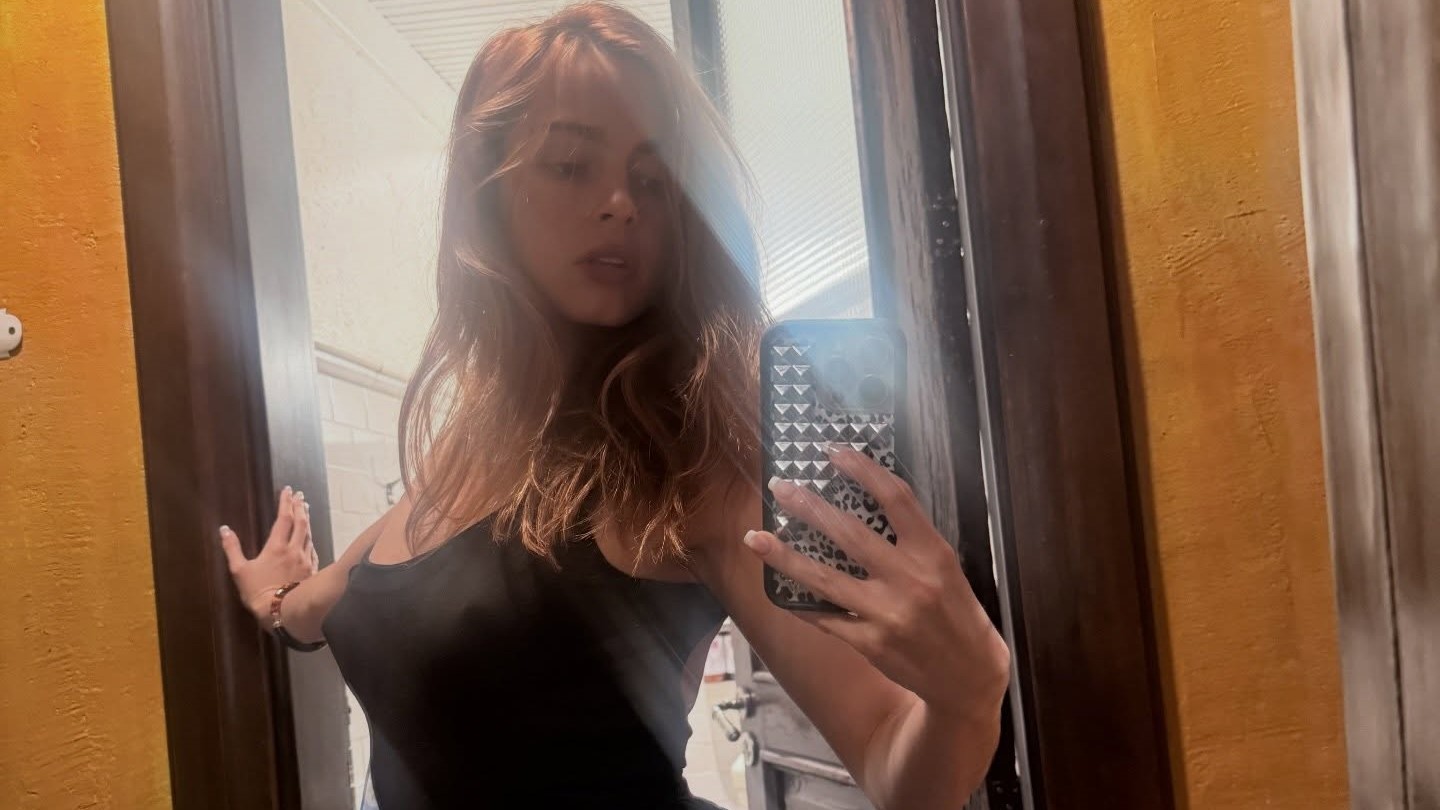
Addison Rae recently took a stand against the unauthorized use of her music in a promotional video by the Department of Homeland Security. The pop singer filed a copyright claim to prevent her hit single, 'Diet Pepsi', from being featured in a video produced by Immigration and Customs Enforcement (ICE). This move highlights Rae's control over her creative work and her refusal to associate it with government enforcement activities.
The legal intervention led to the removal of the media from various social platforms, effectively silencing the government's use of Rae's intellectual property. This action aligns Rae with other pop stars who have taken similar steps to protect their music from being used in political or enforcement messaging. Olivia Rodrigo and Sabrina Carpenter have also asserted their rights in similar situations involving their songs.
Rae's swift response to the unauthorized use of her music garnered praise from her fanbase on social media. The removal of the audio from the government video underscores the importance of artists' permission for the use of their work, regardless of commercial success. Comparisons were drawn between Rae's proactive approach and the perceived inaction of other artists like Taylor Swift in similar situations.
While Rae received acclaim for her actions, some social media users raised questions about her political stance, referencing a past encounter with Donald Trump at a UFC event. Despite the video, Rae has clarified that she does not support Trump and believes in respecting differing opinions. The incident sparked discussions about artists' political engagement and the importance of protecting their creative rights.
In conclusion, Addison Rae's copyright claim against the Department of Homeland Security showcases her commitment to protecting her music and creative control. The incident highlights the growing trend of artists asserting their rights and refusing to allow their work to be used in political or enforcement contexts without permission. Rae's actions have sparked conversations about artists' political positioning and the significance of respecting artists' intellectual property rights.