Artemis II Mission: Astronauts Prepare for Triumphant Return to Earth and Future Lunar Exploration
Four astronauts are gearing up for a challenging return journey to Earth, aiming for a splashdown near California to conclude the groundbreaking Artemis II mission. This mission has captured global attention as the crew, led by NASA astronaut Reid Wiseman, ventured farther from Earth than ever before, witnessing the moon's far side for the first time. Notably, NASA's Christina Koch, Victor Glover, and Jeremy Hansen made history as the first woman, Black man, and Canadian, respectively, to approach the moon's vicinity.
The crew of Artemis II is now on the verge of a triumphant return, traveling back to Earth on their Orion spacecraft for a water landing in the Pacific Ocean. This final leg of their journey will mark approximately 695,081 miles traveled since their launch from the Kennedy Space Center in Florida. Despite the conclusion of Artemis II, NASA's Artemis program is far from over, with plans for future lunar missions and eventual human expeditions to Mars.
NASA and its commercial partners have successfully landed three robotic vehicles on the moon since 2024, with at least four more uncrewed lunar landing missions scheduled for 2026. These missions, including Astrobotic's Griffin-1, Blue Origin's Blue Moon Mark-1, Firefly Aerospace's Blue Ghost, and Intuitive Machines' Nova-C, aim to pave the way for human landings. In 2027, NASA plans to increase the number of robotic landers for cargo and science instruments, setting the stage for future human missions.
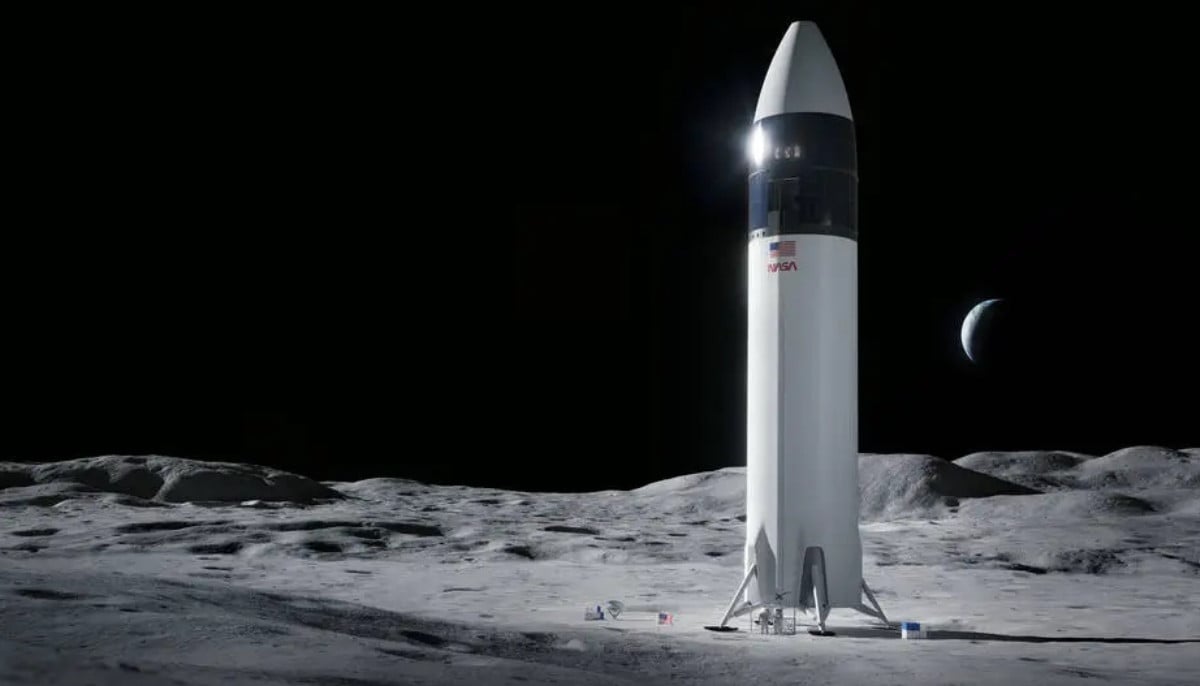
Looking ahead, NASA's Artemis III mission is slated for 2027, with preparations already underway. This mission will send a new crew of astronauts to Earth orbit on the Orion spacecraft, where they will dock with commercial lunar landers developed by SpaceX and Blue Origin. The mission will also test space suits for lunar surface activities. With plans for human lunar landings in 2028, NASA aims to establish a sustainable presence on the moon before setting its sights on crewed missions to Mars in the 2030s.
In conclusion, the Artemis program represents a significant step in NASA's exploration of the moon and beyond, with ambitious plans for future missions and the establishment of a moon base for long-term human habitation. By leveraging commercial partnerships and innovative technologies, NASA is paving the way for humanity's next giant leap into the cosmos, with Mars as the ultimate destination.