District of Columbia's Fiscal Year 2027 Budget: Prioritizing Education, Healthcare, and Infrastructure
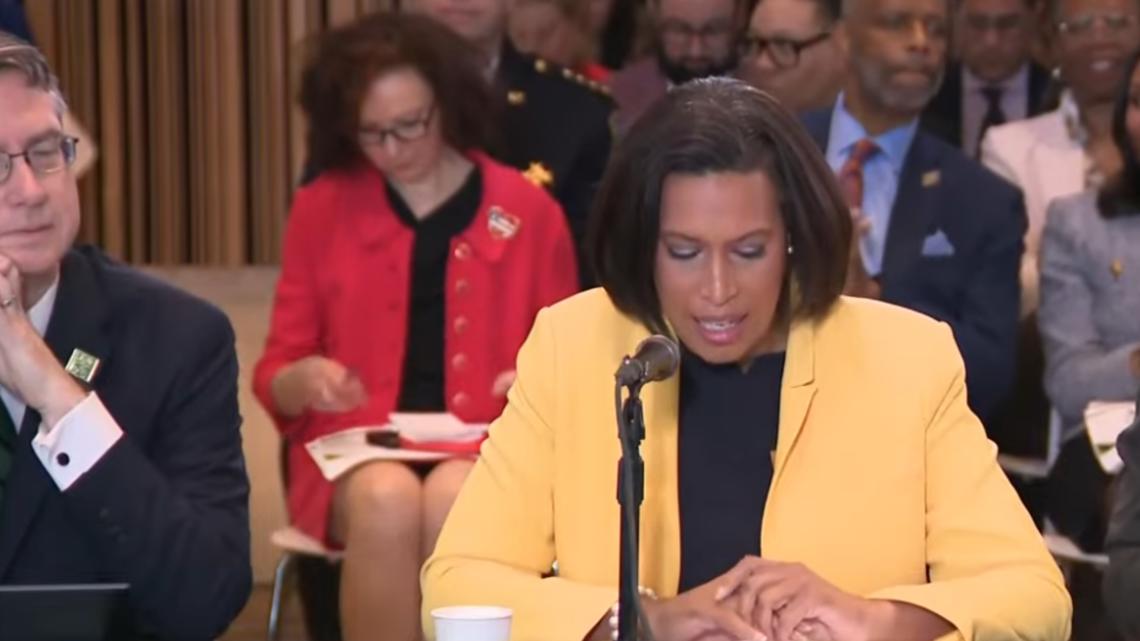
Mayor Muriel Bowser has unveiled the new Fiscal Year 2027 budget for the District of Columbia without proposing tax increases. Despite facing a $1.1 billion budget gap, the budget will not see property and income tax hikes, and the increase in sales tax will be postponed. However, the sales tax on medical marijuana will see a significant jump from 6% to 10.25%.
The focus of the 2027 budget will be on enhancing support for students in public schools and public charter schools, safeguarding public healthcare programs, expanding dental and vision coverage for some residents, and maintaining funding for parks, recreation, libraries, transportation, and other essential services. Mayor Bowser aims to prioritize the growth of the District's economy.
Half of the $12.7 billion operating budget will be allocated to public education and human support services, while 72% of the $11.2 billion capital budget for FY 2027 to FY 2032 will be directed towards schools, transportation, and Metro. The operating budget has decreased by 3.3% from the previous year, while the capital budget has increased by 4.6% compared to the approved Capital Improvements Plan.
The budget shortfall stemmed from reduced resources due to cuts in the federal workforce, slower revenue growth, and smaller surpluses than anticipated. Additionally, rising costs from Medicaid, overtime, SNAP administration, retirement, utilities, and rent contributed to the budget gap. To address this, nearly half a billion dollars will be trimmed through program reductions and savings in FY 2027, with an additional $340 million coming from current-year savings. Only $19 million will be generated from tax and fee adjustments.
In conclusion, Mayor Bowser's budget for FY 2027 prioritizes key areas such as education, healthcare, and infrastructure while avoiding major tax increases. The budget aims to address the financial challenges faced by the District and ensure continued support for essential services and programs.