Exploring the Avant-Garde: David Bowie's Berlin Trilogy and Creative Evolution
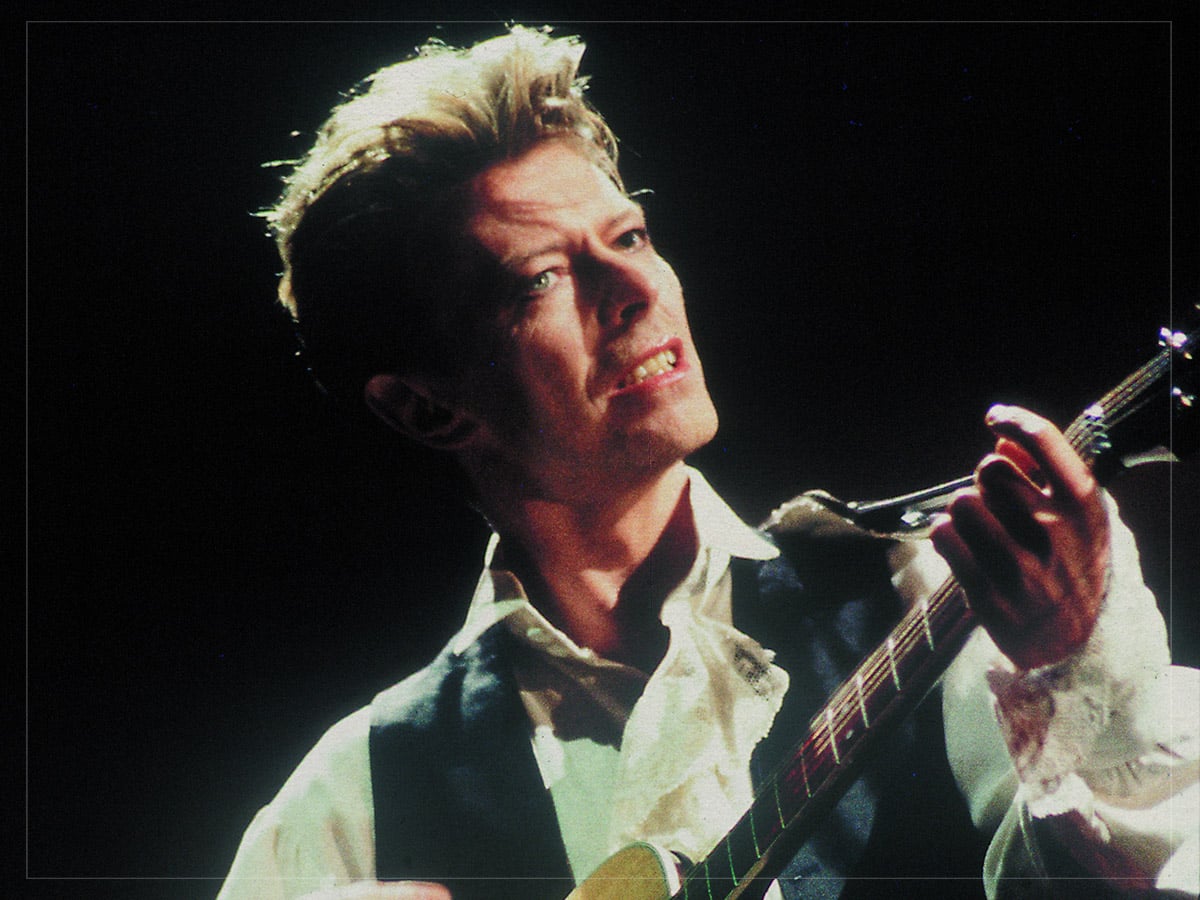
David Bowie was known for his unpredictable and avant-garde approach to music. Despite his success, he often found himself feeling bored with the mainstream. His collaboration with Brian Eno during The Berlin Trilogy produced some of his most interesting work. Bowie's desire for creative and artistic success led him to experiment with new sounds and styles, moving away from his predictable image.
The Berlin Trilogy, consisting of albums like Low and Heroes, showcased Bowie's willingness to push boundaries and explore unconventional songwriting. Working with Eno allowed him to delve into experimental territory, creating music that challenged traditional rock and roll norms. Bowie's decision to move to Berlin was a deliberate attempt to break free from his manufactured soul image and pursue artistic fulfillment.
Station to Station marked the beginning of Bowie's experimentation with different personas and musical styles. The character of 'The Thin White Duke' represented a darker side of Bowie's creativity, one that he eventually distanced himself from. While albums like Young Americans showcased his versatility as an artist, Bowie was always seeking something more exciting and unconventional in his music.
Bowie's collaboration with Eno during The Berlin Trilogy was a pivotal moment in his career. Together, they pushed the boundaries of music, exploring new sounds and techniques to create innovative and groundbreaking songs. Their shared desire to break away from the mainstream and embrace experimentation led to some of Bowie's most memorable and influential work.