Unmasking Emotions: The Story Behind John Lennon's 'Don't Let Me Down
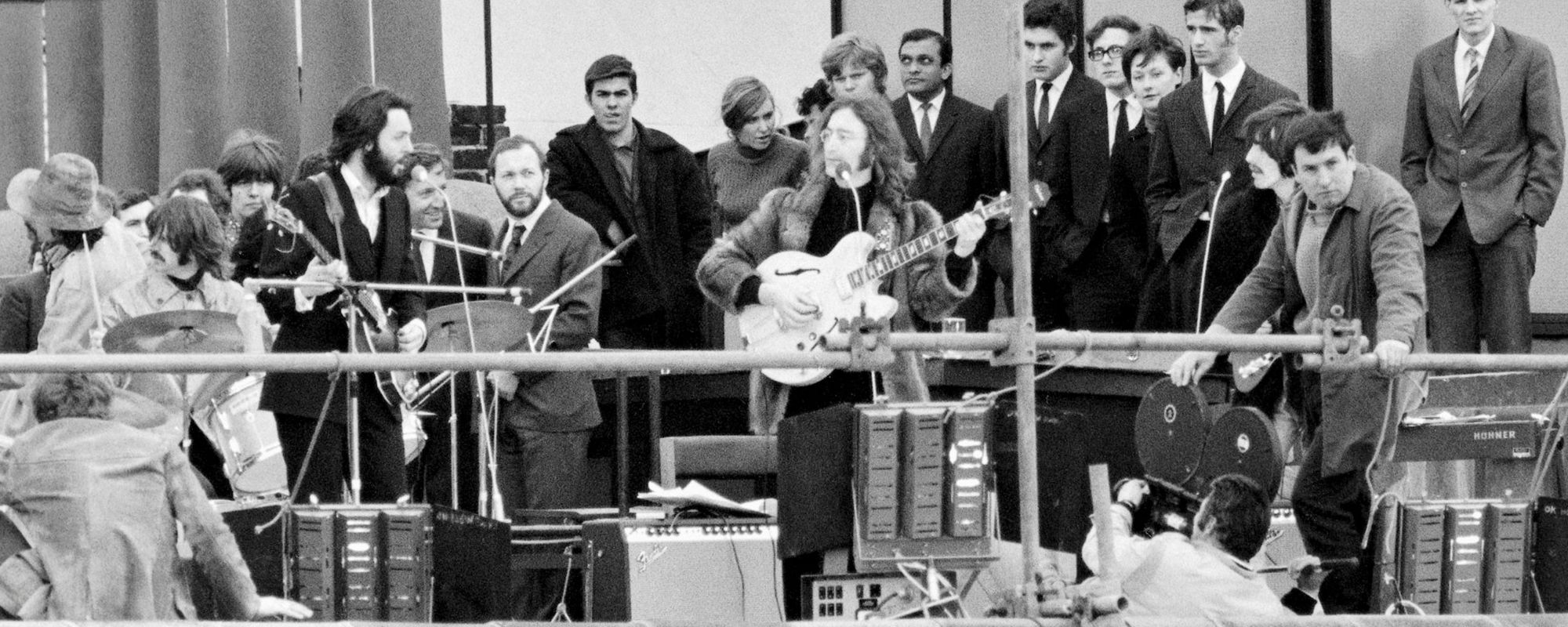
During his early days with The Beatles, John Lennon often used humor to mask his true emotions. It wasn't until the mid-1960s that Lennon started to reveal his inner feelings through songs like "Help!" and "Strawberry Fields Forever". One of the most heartfelt tracks from the band's later years was "Don't Let Me Down", which Lennon and Paul McCartney later confirmed was primarily Lennon's creation.
The year 1969 was a tumultuous time for The Beatles, marked by public disputes and legal battles that overshadowed their music-making efforts. The band members were also navigating personal changes and evolving relationships that had been a constant in their lives since their youth.
For Lennon, writing "Don't Let Me Down" was a vulnerable act, a plea for support during a period of uncertainty and change. The song was seen as a genuine cry for help, expressing Lennon's fears and insecurities as he ventured into a new chapter of his life with Yoko Ono.
Although "Don't Let Me Down" was initially released as the B-side to "Get Back" and left off the final Let It Be album, its significance was solidified by its inclusion in The Beatles' rooftop concert. The track has since become a beloved part of the band's post-breakup collections, showcasing Lennon's raw emotions and plea for understanding.
In conclusion, "Don't Let Me Down" stands as a poignant reminder of John Lennon's vulnerability and the challenges he faced during a pivotal moment in his life and career. The song's sincerity and emotional depth continue to resonate with fans, highlighting Lennon's ability to convey his innermost thoughts through his music.