Nizar Amidi Elected as Iraq's New President Amid Political Uncertainty
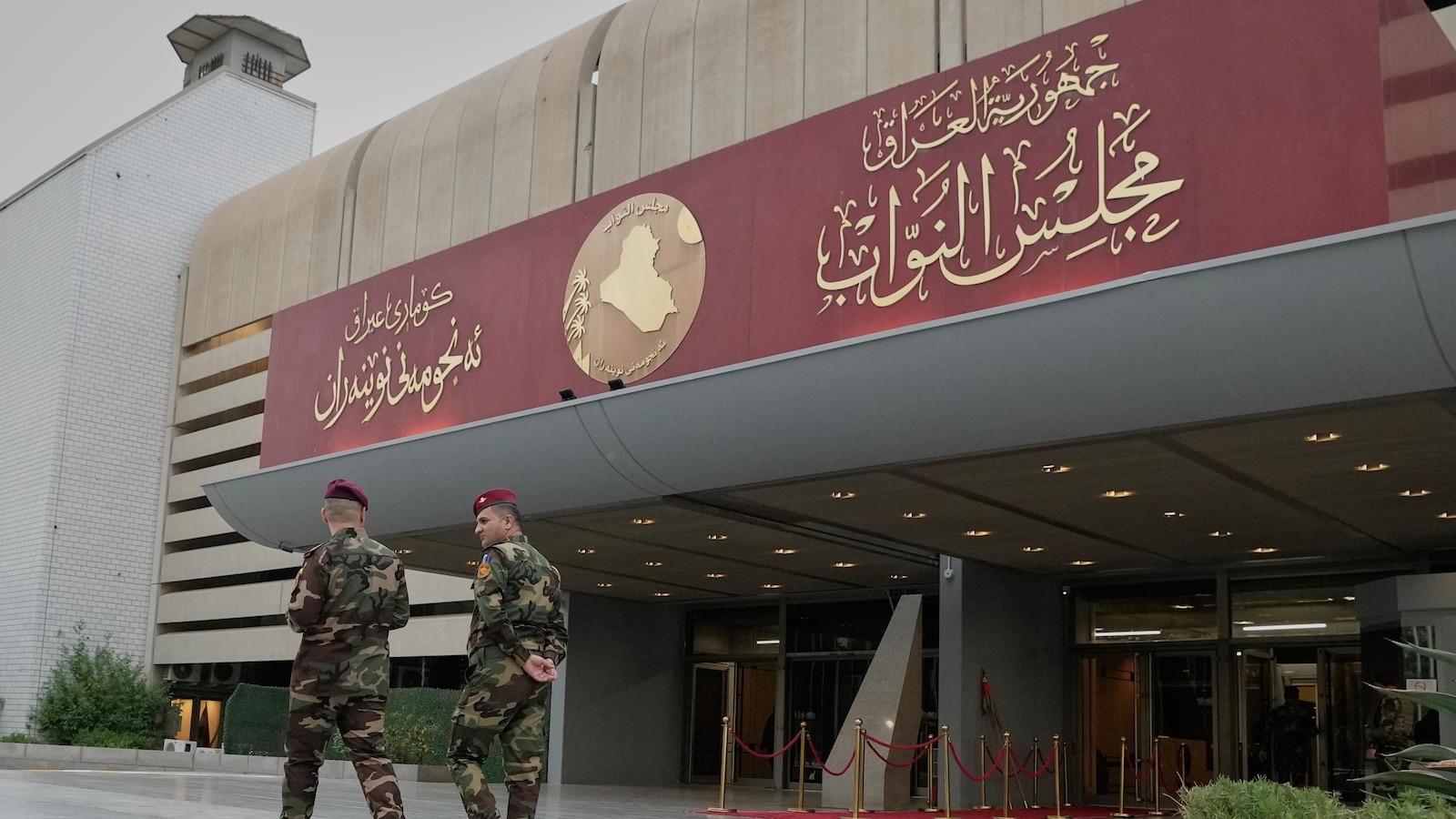
Iraq's parliament has chosen Nizar Amidi as the new president, following a prolonged period of political uncertainty after the recent elections. Amidi, a member of the Patriotic Union of Kurdistan party, emerged victorious in the election, beating out other candidates, including the current Foreign Minister, Fuad Hussein.
The election of Amidi comes at a challenging time for Iraq, as the country grapples with the repercussions of the U.S.-Israeli conflict with Iran. This conflict has led to increased tensions in the region, with Iran-backed militias targeting U.S. bases and diplomatic facilities in Iraq. The closure of the Strait of Hormuz has also disrupted Iraq's oil exports, a critical component of its economy.
By tradition, the president of Iraq is always Kurdish, while the prime minister is Shiite and the parliamentary speaker is Sunni. Amidi, who hails from Dohuk province in northern Iraq, has previously served as an aide to two former presidents of the country.
Despite the delay in the election process, Amidi secured a significant lead in the voting, garnering 208 votes in the first round. In the subsequent round, he received 227 votes, solidifying his position as the new president. According to the Iraqi constitution, the president has 15 days to nominate a candidate from the largest parliamentary bloc to form a government and assume the role of prime minister.
The dominant bloc in parliament, the Shiite Coordination Framework, had initially announced former Prime Minister Nouri al-Maliki as their nominee for prime minister. However, there is speculation about whether they will proceed with this nomination or choose another candidate. The political landscape in Iraq remains complex, with various factions vying for power and influence.
In conclusion, Nizar Amidi's election as president marks a significant development in Iraq's political landscape. As the country navigates through challenging times, the formation of a new government will be crucial in addressing the pressing issues facing Iraq and its people.