The Paramount Television Era: Challenges Faced by 'Star Trek' in the 1960s
In 1964, Gene Roddenberry pitched the idea of "Star Trek" to Desilu, a studio founded by Lucille Ball and Desi Arnaz. The series was described as "'Wagon Train' to the stars," drawing inspiration from the popular Western TV show. Lucille Ball played a crucial role in bringing "Star Trek" to NBC, where it aired from 1966 to 1969. However, midway through the show's run, Desilu was sold to Gulf+Western, which renamed it Paramount Television, leading to new corporate oversight for the series.
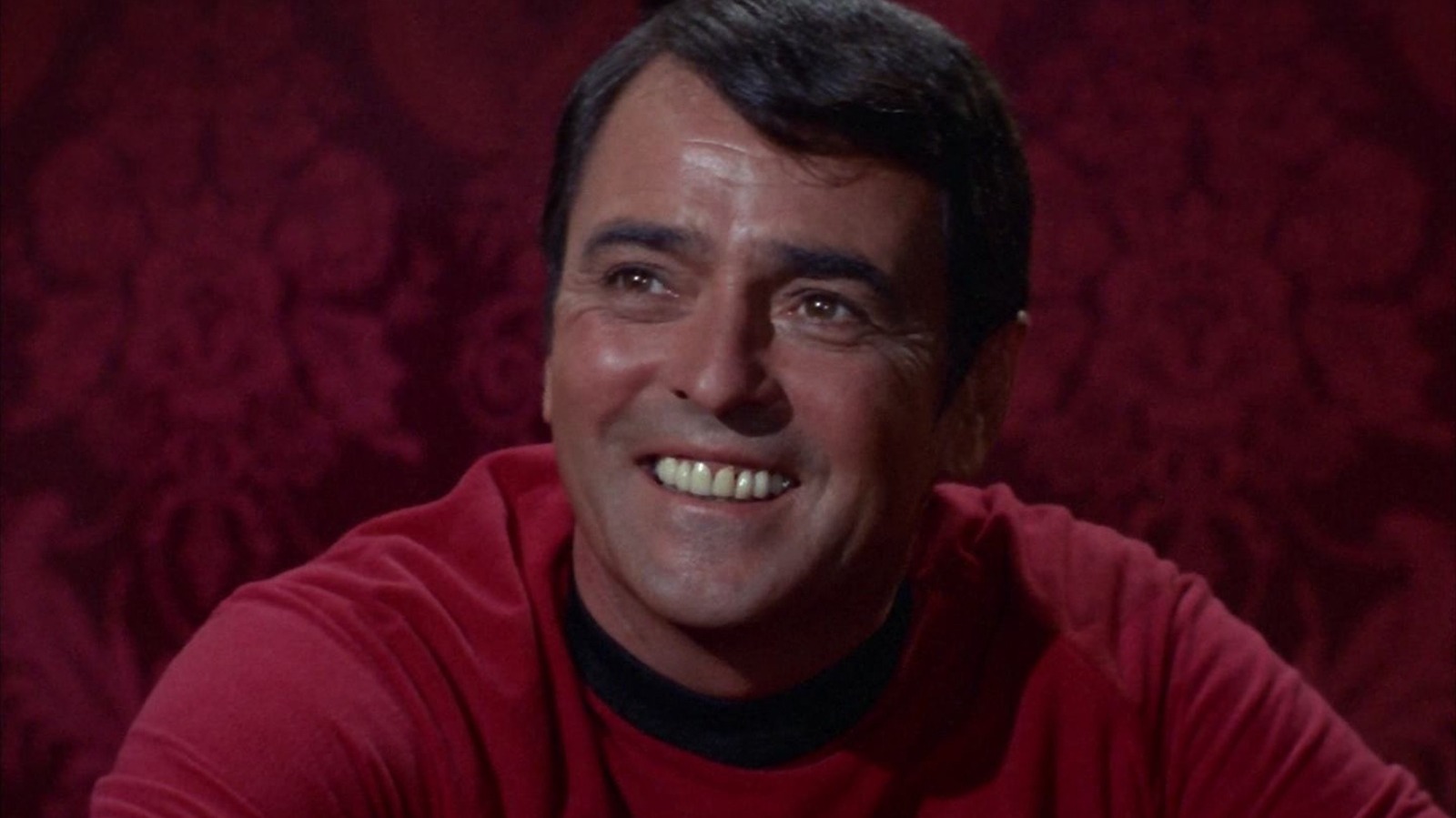
Paramount's acquisition of Desilu brought about changes for "Star Trek," as the new studio did not show much enthusiasm for the show. Despite its struggling viewership, superfan Bjo Trimble initiated a letter-writing campaign to save the series from cancellation. James Doohan, who portrayed Montgomery "Scotty" Scott, revealed in a 1996 interview that Paramount was the one pushing for the show's cancellation. Despite the fan support, Paramount was reluctant to invest more money in the series, resulting in cost-cutting measures for the third season.
Doohan expressed disappointment that the actors did not receive raises for the third season, highlighting Paramount's lack of commitment to the show. Despite the studio's reluctance to invest in "Star Trek," Doohan remained dedicated to his role as Scotty, maintaining professionalism throughout the challenges faced by the series. Gene Roddenberry, the creator of "Star Trek," was particularly affected by Paramount's disinterest in the show, but he continued to work on the series despite the studio's attitude towards it.