Unraveling the Controversy: Bob Dylan's 'Blood on the Tracks' Album and the Story Behind 'Idiot Wind
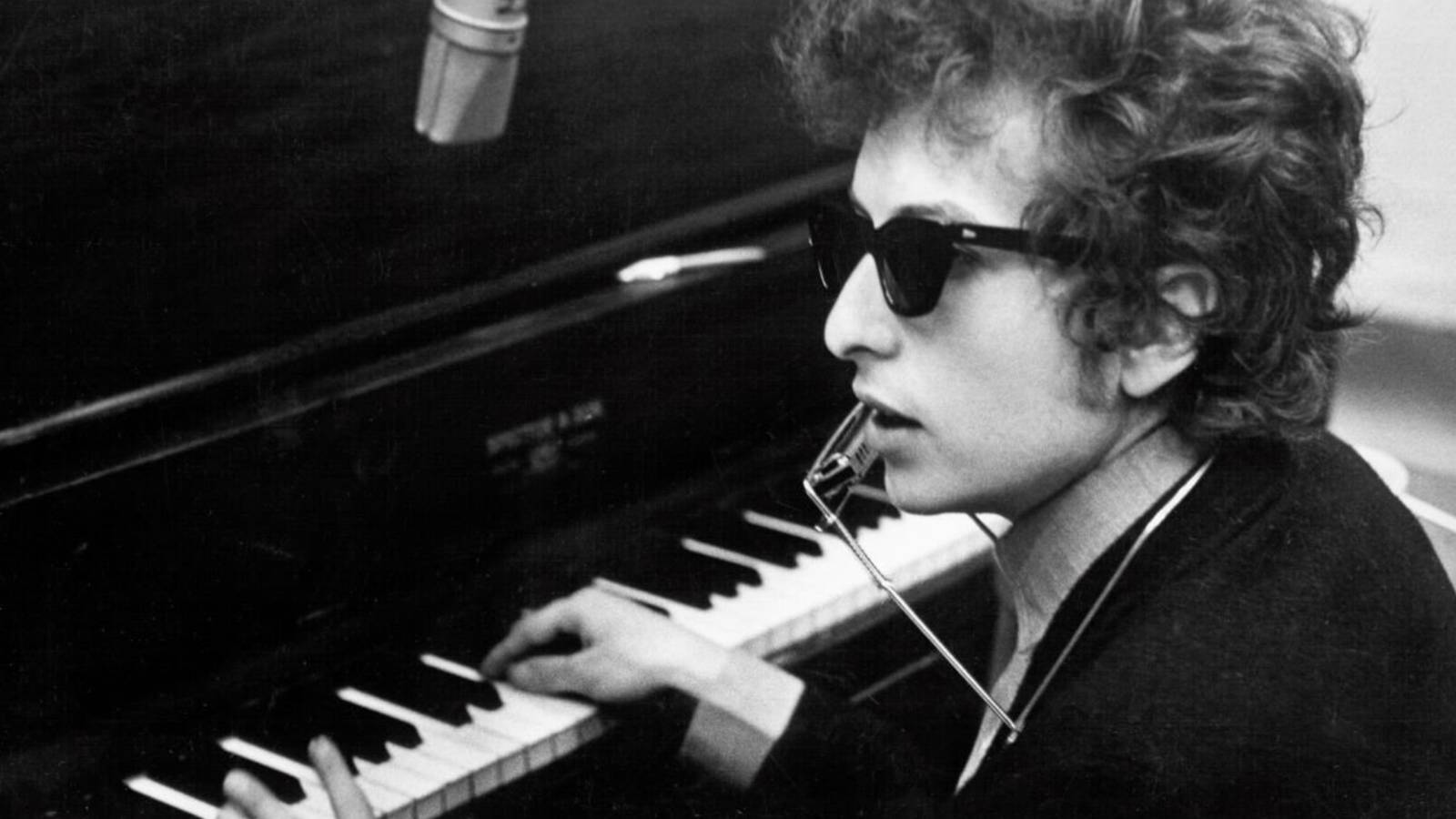
Bob Dylan's album "Blood on the Tracks" was released in 1975 and received critical and popular acclaim, reaching the top of the Billboard 200 chart. The album features tracks like "Tangled Up in Blue" and "If You See Her, Say Hello" that are highly regarded by fans and critics alike. Despite its success, the recording process of the album was marked by personal turmoil and controversy.
The album's lyrics are believed to be deeply personal, with many speculating that they reflect Dylan's strained relationship with his first wife, Sara Lownds. The song "Idiot Wind" in particular has been interpreted as containing jabs at Lownds, leading to regrets from Dylan about its creation. The recording of the album itself was also tumultuous, with Dylan deciding to re-record most of the material in Minneapolis after an initial recording in New York City.
The decision to re-record the album was seen as a professional move, but it also reflected Dylan's personal restlessness at the time. Biographer Clinton Heylin suggests that the recording sessions for "Blood on the Tracks" marked the beginning of the end of Dylan's marriage to Lownds, as he was involved in an extramarital affair with another woman. Despite Dylan's denial that "Idiot Wind" is autobiographical, the song's lyrics and context have led many to believe otherwise.
Dylan's ambiguous statements about the song have not quelled speculation about its meaning, with fans and critics continuing to interpret it as a reflection of his relationship with Lownds. Dylan himself has expressed regret over the perception that the song is about his ex-wife, acknowledging that the personal nature of the lyrics may have contributed to this interpretation. Despite the controversy surrounding "Idiot Wind," the album "Blood on the Tracks" remains a classic in Dylan's discography, showcasing his songwriting prowess and emotional depth.