The Evolution of Visual Aesthetics in Movies and TV Shows: From Vibrant to Dark and Gritty
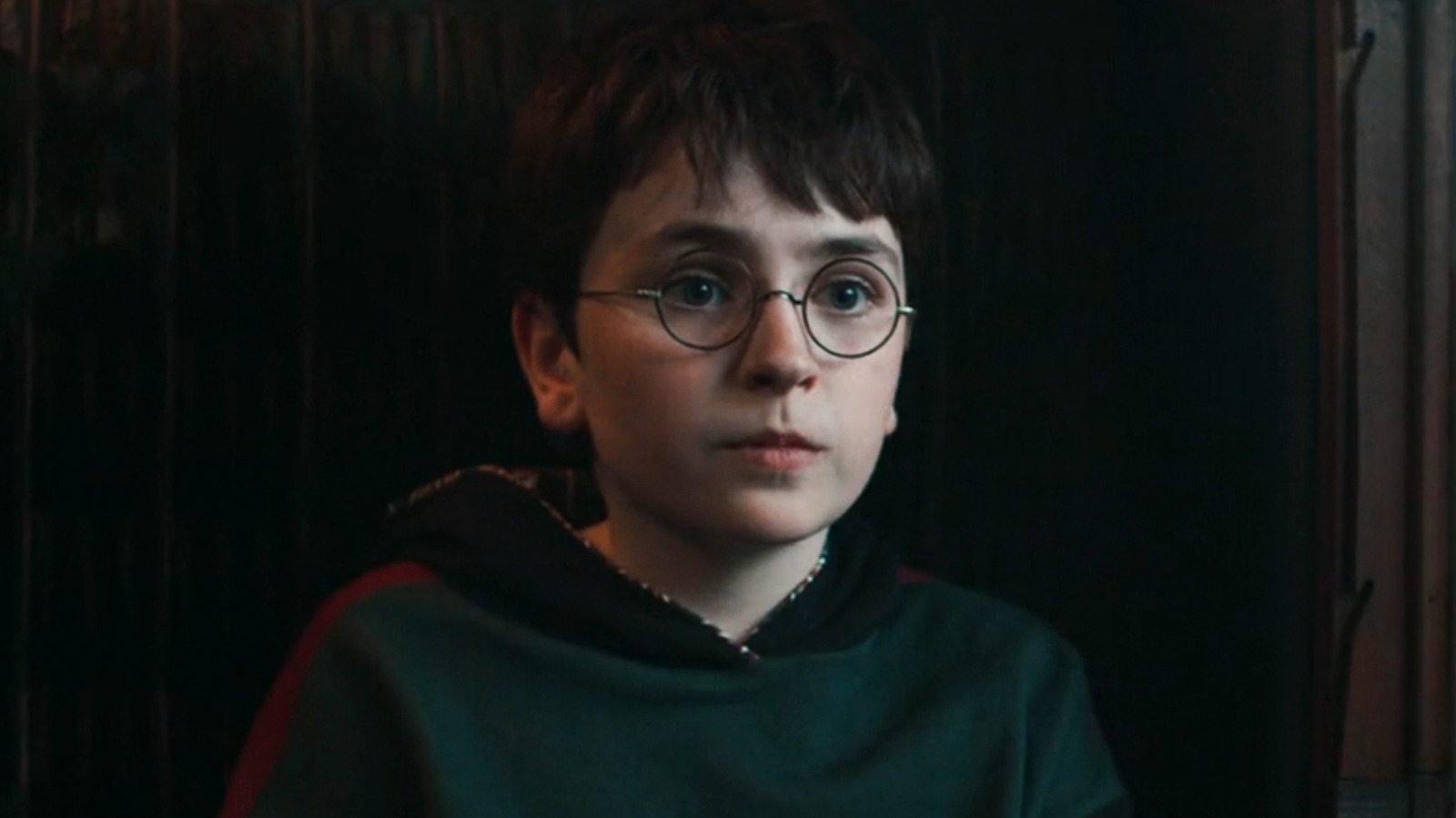
Movies and TV shows have been criticized for being too dark in recent years, with many online commentators expressing concerns about the lack of vibrancy in new releases. The shift towards darker visuals can be attributed to the transition from celluloid to digital cinematography, which required filmmakers to adjust their lighting techniques to compensate for the limitations of early digital cameras. The use of soft lighting became prevalent to avoid blown-out images and maintain proper exposure.
Advancements in camera technology have improved the handling of highlights and shadows, allowing for more detailed and visually stunning images. However, the continued use of soft lighting techniques and a focus on naturalistic lighting sources have contributed to a general flattening of the visual aesthetic in movies and TV shows. Cinematographers now aim for a more realistic and authentic look, which extends to the color grading process to create a cohesive visual style.
While digital color correction offers filmmakers greater flexibility in crafting the desired look for their projects, there is a growing trend towards desaturated and muted colors in media. This shift towards a more subdued color palette reflects a broader cultural preference for neutral tones and less vibrant visuals. The influence of films like \"Seven\" and \"The Dark Knight\" has perpetuated the dark and gritty aesthetic in movies, leading to a general sense of gloominess in contemporary media.
The emphasis on premium production values and the association of desaturated visuals with cinematic quality have also influenced the trend towards darker and duller visuals in movies and TV shows. Filmmakers often feel pressured to conform to industry standards and corporate expectations, resulting in predetermined visual styles that may not always align with the tone of the story. The rise of streaming platforms and varied viewing options further complicates the viewing experience, as different display settings can impact the perceived quality of the content.
In conclusion, while advancements in camera technology and digital color correction have enhanced the visual quality of films and TV shows, there is a noticeable trend towards darker and duller visuals in contemporary media. The shift towards a more naturalistic and subdued aesthetic reflects both technological advancements and cultural preferences, but it also raises questions about the impact of corporate influence on creative decision-making in the industry. As viewers continue to engage with a wide range of content across various platforms, the debate over the ideal visual style for storytelling will likely persist.