The Twilight Zone: Censorship and Artistic Integrity in Television Broadcasting
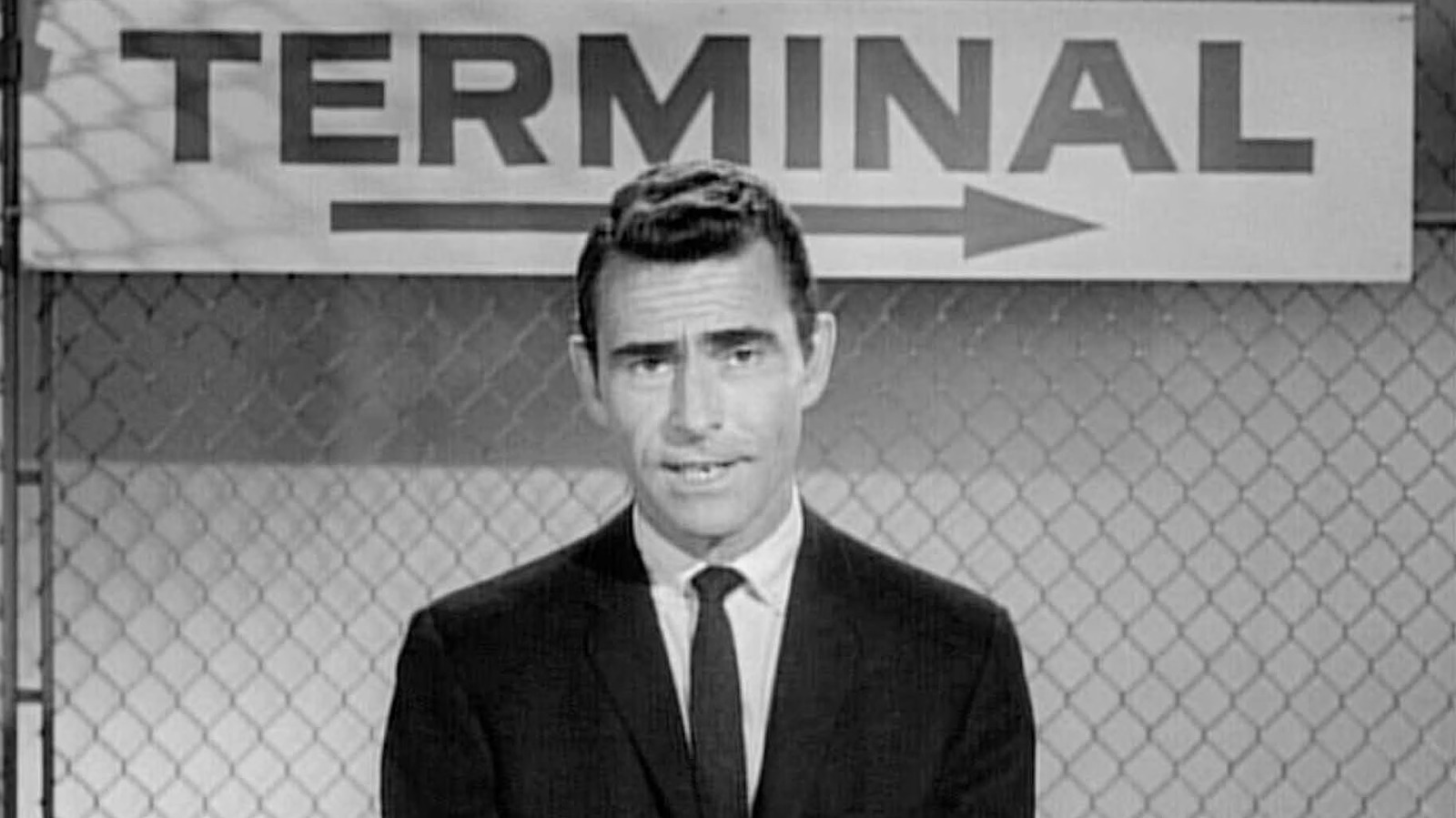
Censorship in television broadcasting has been a contentious issue since its inception. While organizations like the FCC and network presidents set general guidelines, producers and showrunners often self-regulate content. In the case of the original "The Twilight Zone" series, created by Rod Serling, there was a unique restriction on the use of the word "God" in scripts. Only Serling himself was allowed to include the word, while other writers had their references edited or altered.
The reason behind this restriction remains speculative. Some suggest it may have been due to a belief in not making the name of God common, while others point to practical reasons related to Serling's vision for the show. Serling's interactions with corporate sponsors, who had a significant influence on the series, may have also played a role in this censorship decision.
Throughout the production of "The Twilight Zone," Serling navigated the challenges of balancing artistic integrity with corporate interests. His distaste for the influence of sponsors on the show's content led him to take measures like restricting the use of certain words in scripts. By controlling the mention of "God," Serling may have sought to protect his writers from potential interference and maintain the show's artistic vision.
Serling's insistence on limiting references to "God" in scripts could also be attributed to his desire to differentiate "The Twilight Zone" as a fantasy series rather than traditional science fiction. By avoiding overuse of religious themes, Serling aimed to elevate the show's storytelling and maintain its unique identity. Despite these restrictions, "The Twilight Zone" continued to captivate audiences with its thought-provoking narratives and imaginative storytelling.