Exploring the Timeless Appeal of the Rolling Stones' 'Wild Horses
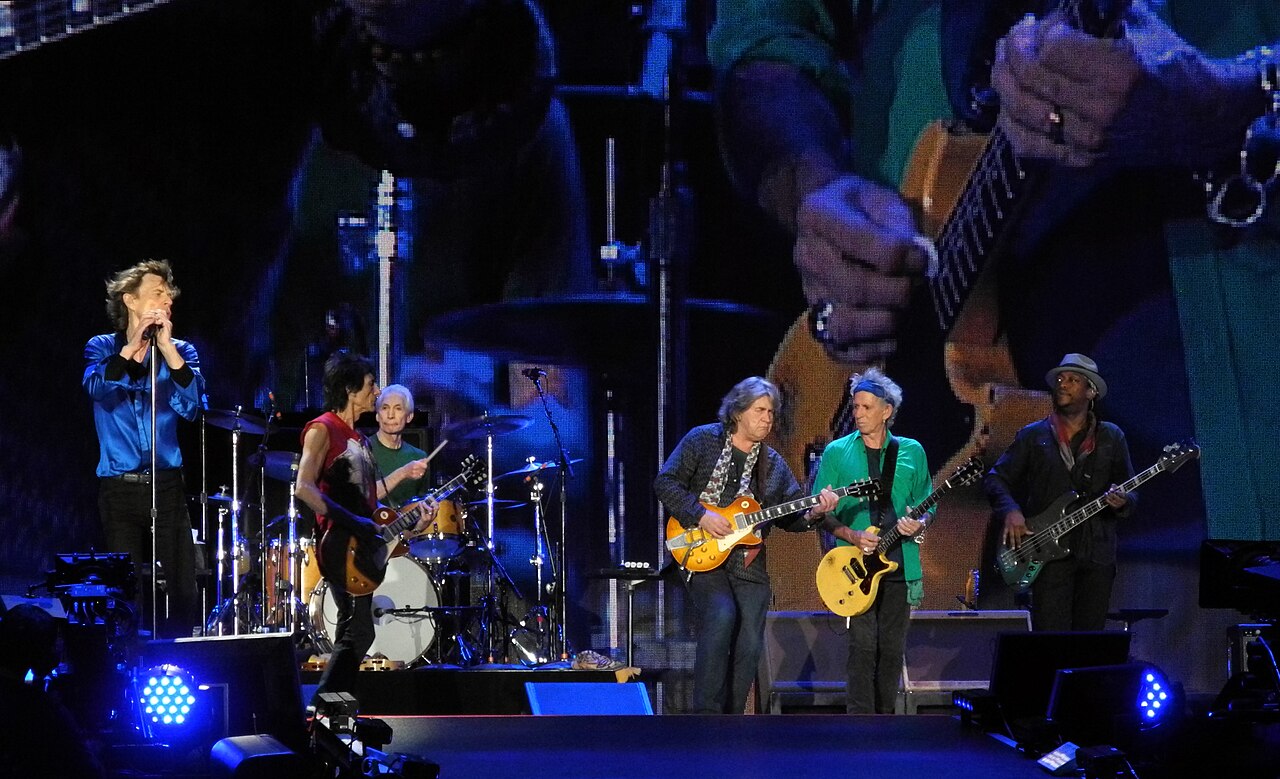
Standing in line outside the London Stadium, waiting for a Rolling Stones show, I had the pleasure of hearing the band's sound check. During the sound check, Sir Mick Jagger's vocals were accompanied by Florence Welch, who later opened the show with her band. They performed the song "Wild Horses," a favorite from the Stones' country rock phase in the late 60s.
Recorded in Alabama in December 1969, "Wild Horses" was part of the album "Sticky Fingers," released in June 1971. The song, along with "Brown Sugar" and "You Gotta Move," was recorded just before the tragic Altamont Festival, which deeply affected the Rolling Stones.
"Wild Horses" reflects Keith Richards' feelings of being away from home, as he had recently become a father. The song's origins are somewhat disputed, with Richards and Jagger recalling different stories about its creation. Despite the varying accounts, "Wild Horses" remains one of the band's most beloved songs.
Gram Parsons, a friend of Jagger, was inspired by the song and attempted to add pedal steel to the master tape. While Parsons' version with The Flying Burrito Brothers was released before the Stones', "Wild Horses" has been covered by many artists over the years, showcasing its enduring appeal across genres.
From country renditions by Little Big Town and Buddy Miller to soulful interpretations by LaBelle and Alicia Keys, "Wild Horses" has been reimagined in various styles. The song's versatility is evident in versions by The Sundays, Delta Ash, and even Susan Boyle, whose rendition was praised by Sir Mick Jagger himself.
In conclusion, "Wild Horses" remains a timeless classic that has been embraced by artists from different musical backgrounds, solidifying its status as one of the Rolling Stones' most iconic songs.