US-Iran Peace Talks in Islamabad: A Recap of the 21-Hour Marathon Session
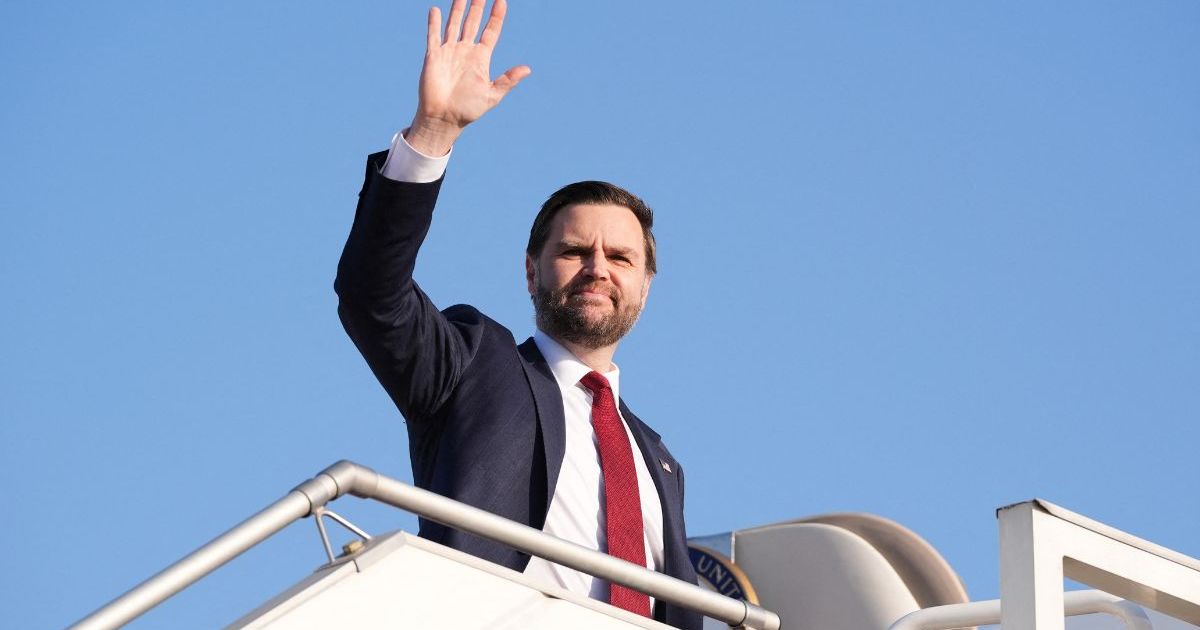
The recent 21-hour peace talks between the United States and Iran in Islamabad, Pakistan, ended without a final agreement, casting uncertainty over the fragile two-week ceasefire. Vice President JD Vance provided an update on the lengthy discussions, highlighting progress in dialogue and more. The talks, held on April 11-12, marked the first direct engagement between the two nations since 1979.
During a press conference post the marathon session, JD Vance described the discussions as "substantive" but acknowledged the absence of a deal. The U.S. delegation, led by special envoy Steve Witkoff and White House advisor Jared Kushner, presented what Vance referred to as a "final and best offer," which Iran did not accept. The primary point of contention in the talks was Iran's nuclear program, with Vance emphasizing the need for a commitment to refrain from pursuing nuclear weapons.
In response, Iranian Parliament Speaker Mohammad Bagher Ghaliba emphasized the importance of the other party's seriousness and goodwill in the diplomatic process, urging against excessive and illegal demands. Iran had entered the negotiations with a 10-point plan that included requests for U.S. troop withdrawal from West Asia and sanctions relief.
Vance concluded the discussions by presenting a straightforward proposal, labeling it as the final and best offer from the U.S. side. The outcome now hinges on Iran's acceptance of the proposal. The talks were facilitated by Pakistan following an appeal from Prime Minister Shehbaz Sharif, aiming to mediate and broker a potential agreement between the two nations.