President Trump Declares End to U.S. War with Iran: A Look at the Ceasefire and Future Implications
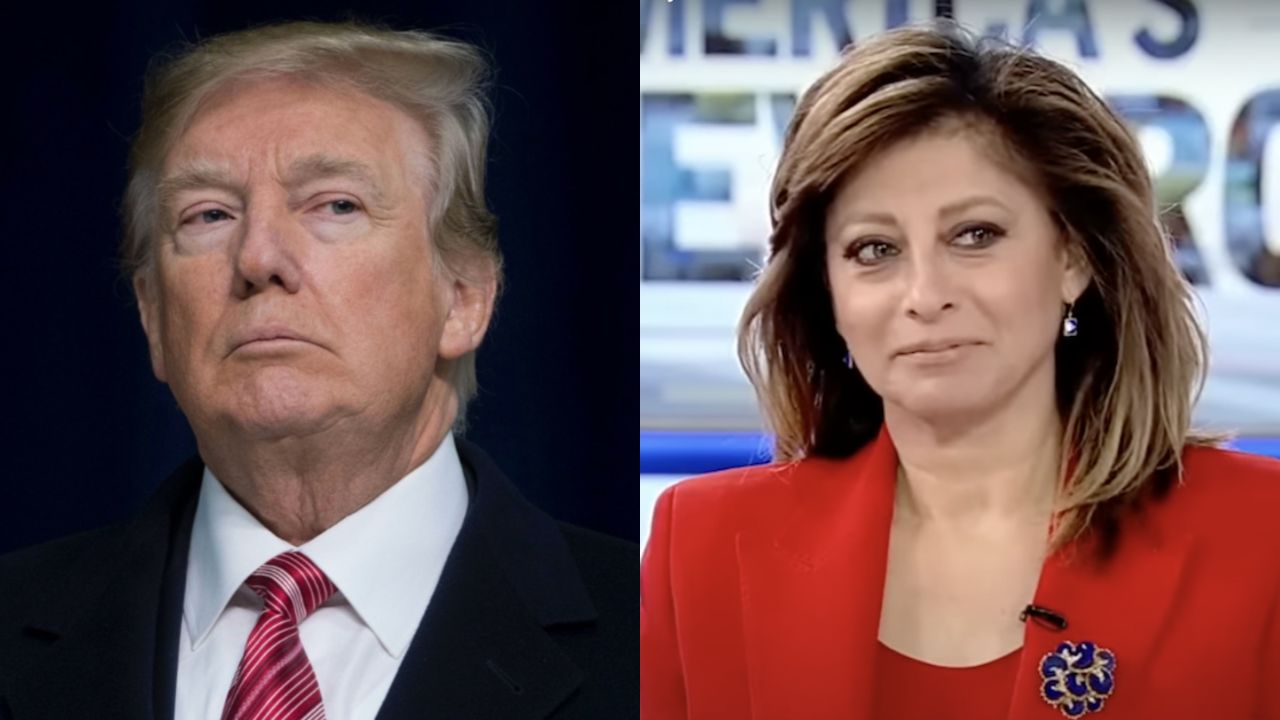
President Donald Trump reportedly told Fox Business host Maria Bartiromo that the U.S. war with Iran is now over. The conflict, which began on February 28, was initially aimed at targeting Iran's nuclear program. Trump had previously claimed that the program had been "totally obliterated" in U.S. airstrikes. Following a two-week ceasefire announced by the president, confusion arose over the terms of the agreement. While Iran and a Pakistani mediator stated that the deal included a cessation of Israeli hostilities in Lebanon, the U.S. disputed this claim. Despite reports that Trump had been informed about Lebanon's inclusion, Israel continued its offensive, leading Iran to restrict travel through the strait. In response, Trump announced that the U.S. Navy would now prohibit certain vessels from passing through the strait.
During an interview with Bartiromo on "Mornings with Maria," Trump referred to the war with Iran in the past tense, indicating that it was over. This statement comes amid public dissatisfaction with the conflict, as only 24% of Americans believe the war with Iran has been worthwhile, according to an Ipsos/Reuters poll. In contrast, 51% of the public does not support the war. The ongoing developments in the region have raised concerns and uncertainties about the future of U.S. relations with Iran and the broader implications for global security.
In conclusion, President Trump's declaration to Maria Bartiromo that the U.S. war with Iran is over marks a significant development in the ongoing conflict. The conflicting reports and actions surrounding the ceasefire have added to the complexity of the situation, with public opinion reflecting widespread skepticism about the war's effectiveness. As the situation continues to evolve, it remains crucial to monitor the diplomatic and military actions taken by all parties involved to assess the long-term impact on regional stability and international relations.