Breaking Boundaries: Jimi Hendrix's Impact on Rock Music and the Evolution of Alternative Sounds
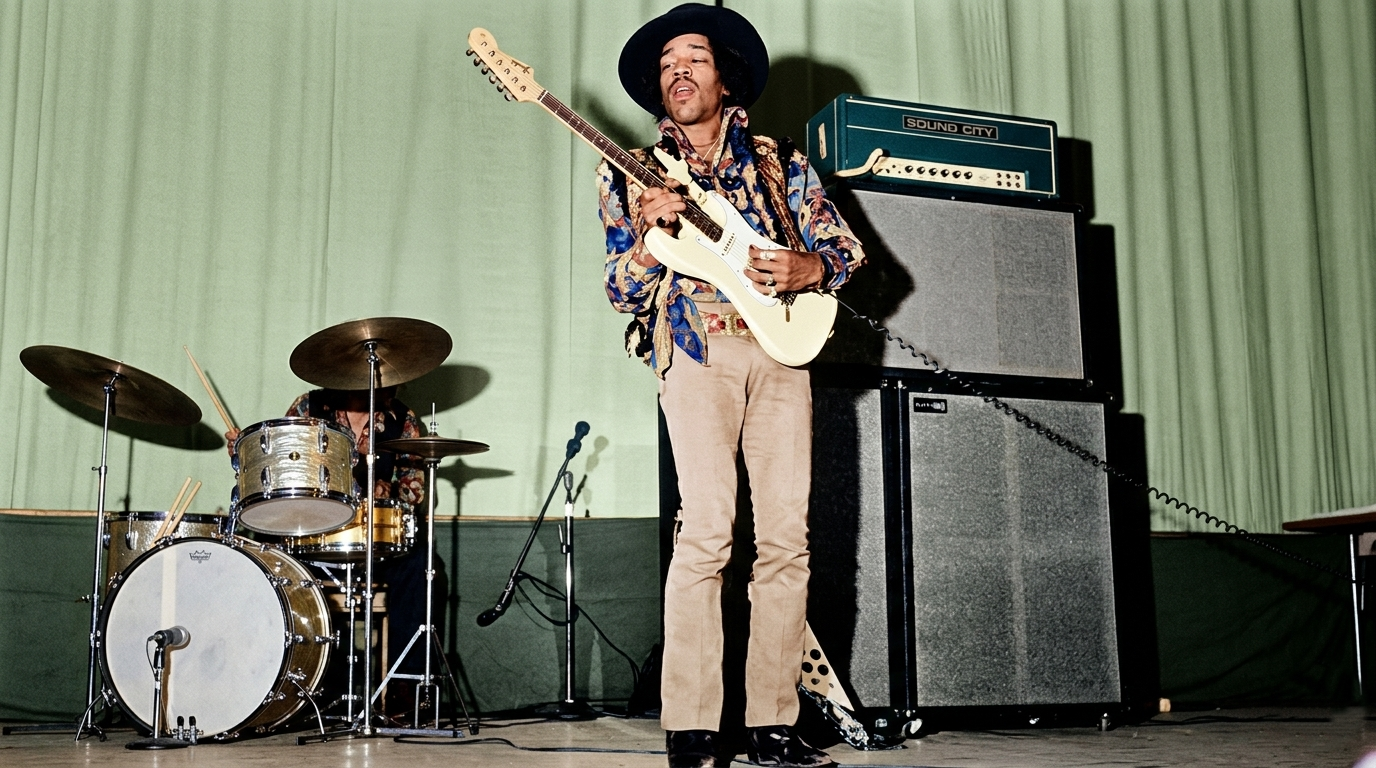
Jimi Hendrix's groundbreaking guitar work in the late 1960s challenged the norms of rock music, leaving audiences in awe and confusion. His innovative use of distortion, feedback, and controlled chaos set him apart from traditional rock bands of the time. While some embraced his unique sound, others struggled to understand it, creating a divide among listeners and musicians.
Before the rise of the Seattle rock scene in the 1990s, the Pacific Northwest had already produced artists with a raw and unconventional edge. Bands like The Sonics paved the way with their aggressive and stripped-down style, influencing future punk and grunge movements. Despite not achieving mainstream success initially, their impact on alternative music was significant.
Hendrix's early experiences in the United Kingdom, where audiences were more receptive to his experimental approach, contrasted with the mixed reactions he faced in the U.S. regional music scenes. Even established musicians were sometimes taken aback by his innovative guitar techniques, highlighting the divide between traditional and avant-garde music styles.
As Hendrix's fame grew, stories emerged of his ability to outshine even the most respected guitarists of his time. His spontaneous performances often transformed familiar songs into unpredictable masterpieces, leaving other artists in awe of his talent. Encounters like these solidified his reputation as a musician who could defy expectations and push the boundaries of music.
Reflecting on pivotal moments in rock history, The Sonics' decision to decline Hendrix's request to join them on stage at the Spanish Castle venue stands out as a small but significant event. While it didn't alter Hendrix's trajectory, it symbolizes the rapid evolution of music during that era and the missed opportunities that shaped the course of rock history.