Exploring the Potential of Ibogaine: Federal Government Considers Research and Regulation
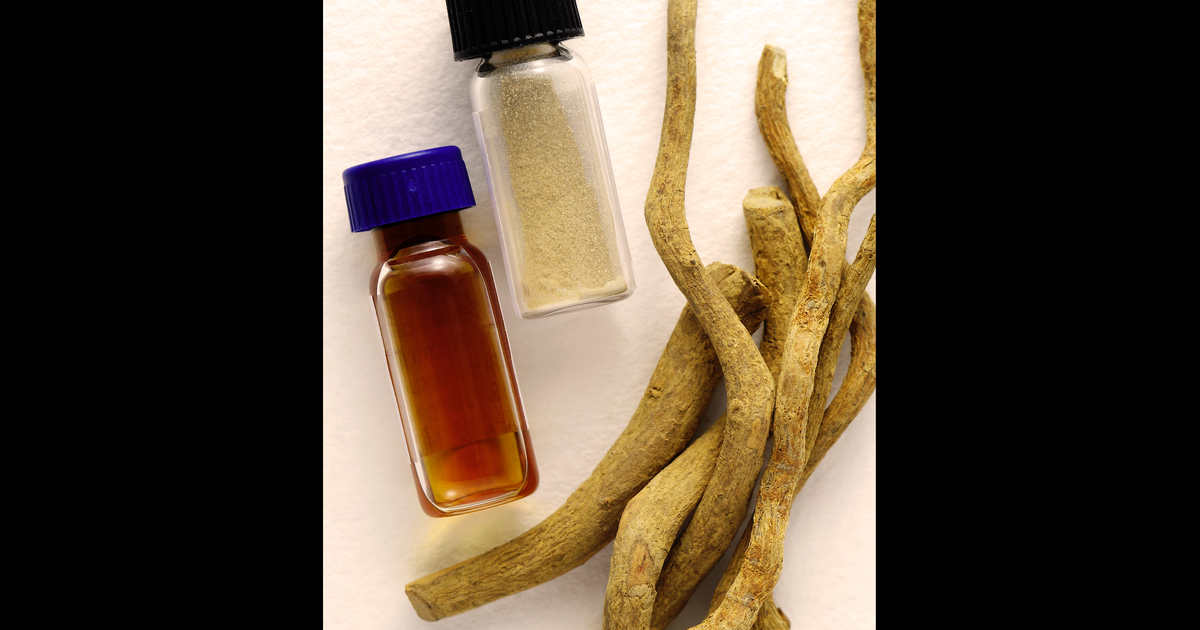
A natural psychedelic compound called ibogaine, derived from a plant native to Africa, is being considered for further research by the federal government in the United States. The White House is working on an executive order to explore the safety and effectiveness of ibogaine, which is currently illegal in the U.S. but used in other countries to treat conditions like depression, anxiety, addiction, post-traumatic stress disorder, and brain trauma. Americans seeking ibogaine treatment often travel to unregulated clinics in Mexico or the Caribbean due to its legal status in the U.S. Despite the potential benefits, ibogaine remains classified as a Schedule I drug, alongside substances like heroin and ecstasy. President Trump is expected to sign the executive order soon to pave the way for federal funding for research on ibogaine's efficacy in treating PTSD and traumatic brain injuries, particularly among veterans. The hope is to determine whether ibogaine is a legitimate treatment option or merely "snake oil." Texas has allocated $50 million for ibogaine research, and the federal government aims to support further studies to assess its potential in addiction treatment, especially for opioid dependence. However, concerns about the drug's safety, particularly its impact on the heart, remain a significant issue. While early studies suggest that ibogaine may reduce withdrawal symptoms and cravings, there are risks of heart rhythm disturbances that can be fatal. More extensive clinical trials are needed to establish the safety and effectiveness of ibogaine for various conditions. Despite some promising results in small studies, including one involving veterans that showed positive outcomes when ibogaine was combined with magnesium to protect the heart, the evidence is still limited. The lack of standardized protocols and oversight in international clinics where ibogaine is administered to Americans raises concerns about safety and monitoring. Further research and regulatory measures are necessary to determine the true potential of ibogaine as a therapeutic option.