Title: "GOP Infighting Over Surveillance Authority: Balancing National Security and Privacy Rights
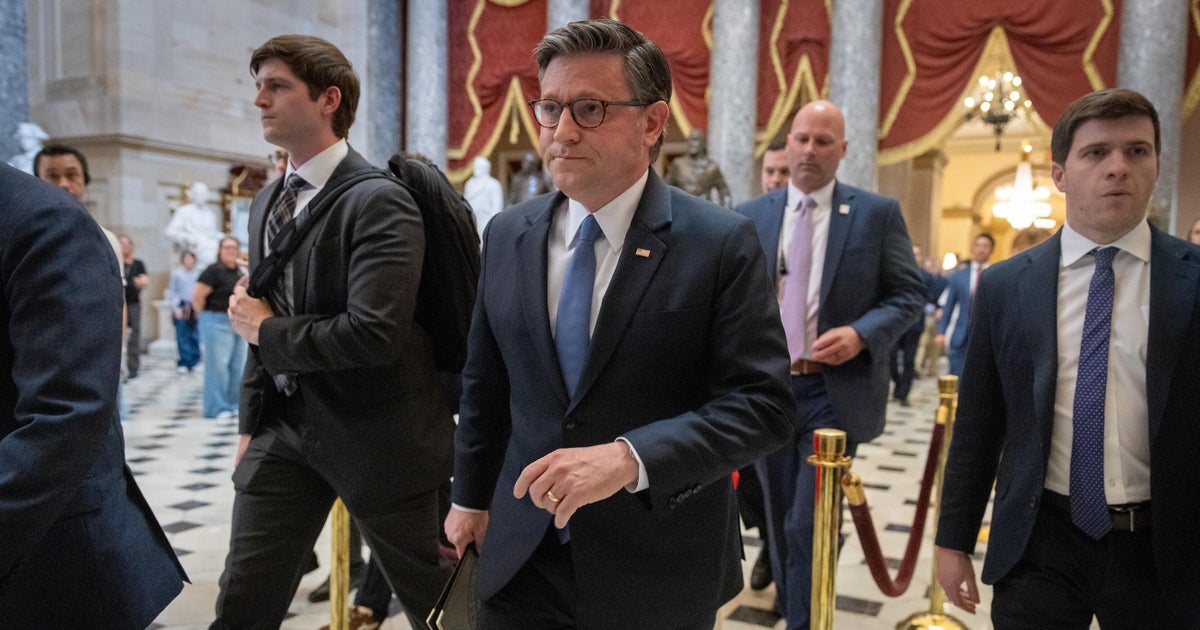
A contentious battle within the GOP has erupted in the House over the reauthorization of a key government spy authority. The White House and Republican leaders have been pushing for an 18-month extension of Section 702 of the Foreign Intelligence Surveillance Act, but faced resistance from hard-line GOP members who are concerned about warrantless government surveillance potentially infringing on Americans' privacy rights. The program is set to expire on Monday, and efforts to reach a compromise with holdouts for a longer extension with reforms have been ongoing.
The disagreement among Republicans has led to delays in the vote on the reauthorization, with tensions running high and blame being assigned to various factions. The White House has been criticized for not acting sooner to address the issue, while some House Republicans have expressed concerns about the lack of reforms in the proposed extension. Despite outreach efforts from White House officials and CIA Director John Ratcliffe, some GOP members remain unconvinced of the need for a clean extension without reforms.
Director of National Intelligence Tulsi Gabbard has been notably absent from the outreach efforts, despite her role in overseeing Section 702. Gabbard had expressed concerns about reauthorizing the statute without additional privacy safeguards, but her appeal did not sway the administration's position. The administration's stance on the reauthorization has been a point of contention, with some lawmakers frustrated by the lack of clarity on the issue.
While the administration argues for the urgent need to extend the surveillance program due to national security threats, some House GOP hard-liners are pushing for reforms and a longer extension. Negotiations are ongoing to address these concerns and potentially reach a compromise that satisfies all parties involved. The White House is emphasizing the importance of the program for national security, but some Republicans are adamant about including reforms to protect civil liberties.
In conclusion, the GOP rebellion over the reauthorization of Section 702 highlights the divisions within the party on issues of government surveillance and privacy rights. The ongoing negotiations and disagreements underscore the challenges of balancing national security concerns with the protection of civil liberties in the digital age. The outcome of these discussions will have significant implications for the future of government surveillance programs and the rights of American citizens.