Reshoots in Hollywood: Navigating the Challenges of Salvaging Troubled Productions
Reshoots are a common part of the filmmaking process, often necessary to address various issues that arise during production. While some movies benefit from reshoots, others struggle to overcome the challenges they present. Major studio releases frequently use reshoots to align films with current trends, but this doesn't always result in a successful outcome.
"Dark Phoenix," a sequel to the disappointing "X-Men: The Last Stand," underwent extensive reshoots that significantly altered the original vision. Despite efforts to improve the film, the final product failed to resonate with audiences and critics, leading to poor box office performance. The disjointed nature of the movie highlighted the limitations of reshoots in salvaging a troubled production.
Similarly, "Book of Shadows: Blair Witch 2" attempted to capitalize on the success of its predecessor but fell short due to demanding reshoots that veered the film in a different direction. The rushed post-production process and increased focus on extreme horror elements undermined the movie's potential, resulting in a lackluster reception.
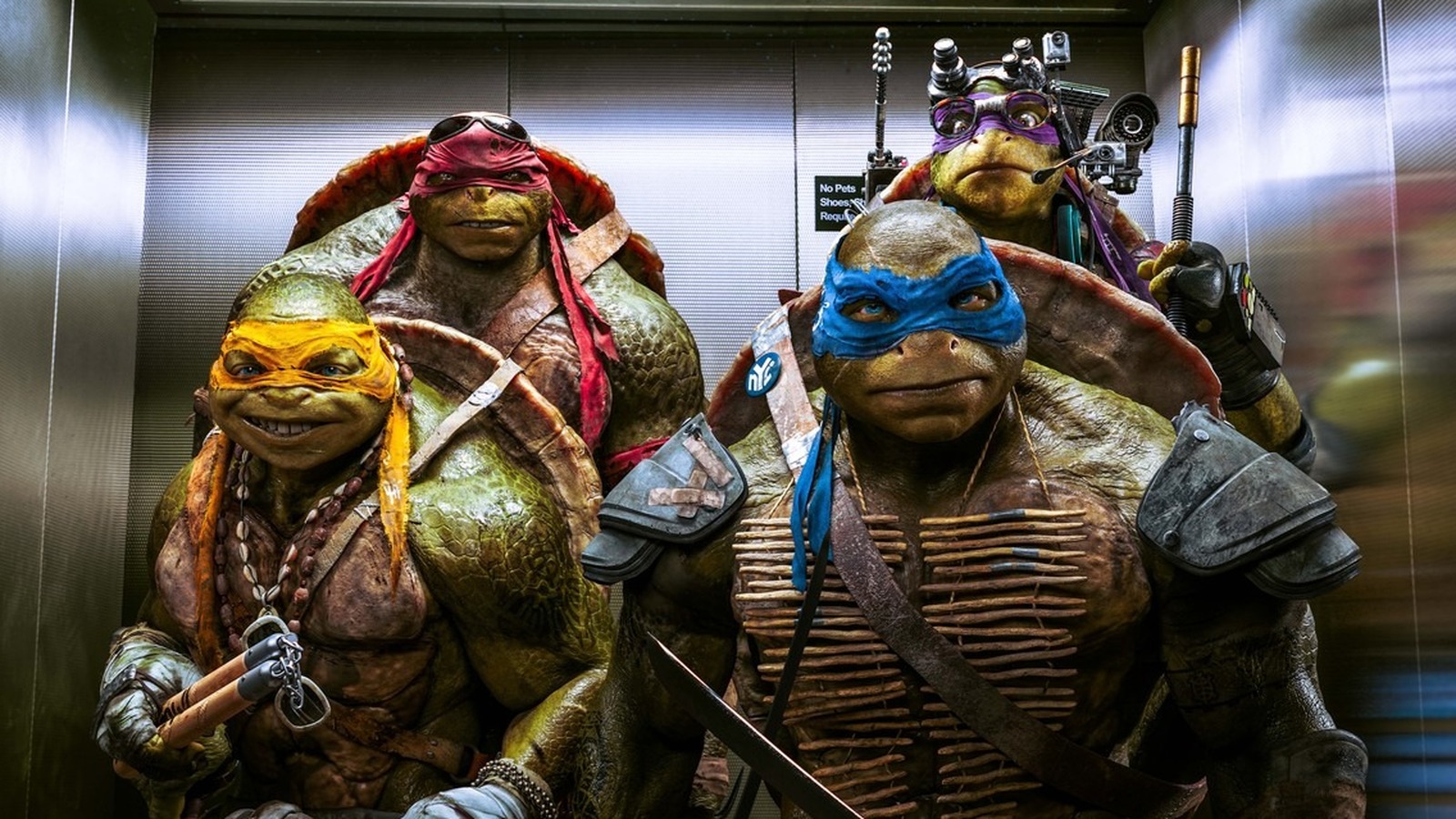
The 2014 reboot of "Teenage Mutant Ninja Turtles" also faced challenges during reshoots, leading to significant changes in the storyline and character roles. Despite attempts to enhance the film's appeal, the final product received mixed reviews and struggled to establish a unique identity within the franchise.
Perhaps one of the most infamous cases of extensive reshoots is "Justice League," which underwent significant alterations under new director Joss Whedon. The changes made to the film's tone and narrative structure, coupled with allegations of misconduct behind the scenes, created a tumultuous production process. The final theatrical cut of the movie received a lukewarm reception, highlighting the limitations of reshoots in shaping a cohesive and engaging cinematic experience.
In conclusion, while reshoots can sometimes improve a film's quality, they are not a guaranteed solution to underlying issues. The examples discussed demonstrate the challenges filmmakers face when attempting to salvage troubled productions through extensive reshoots. Ultimately, the success of a movie relies on a combination of creative vision, execution, and audience reception, with reshoots serving as a tool rather than a definitive fix.