Capturing the Essence: Iconic Films of the 1940s
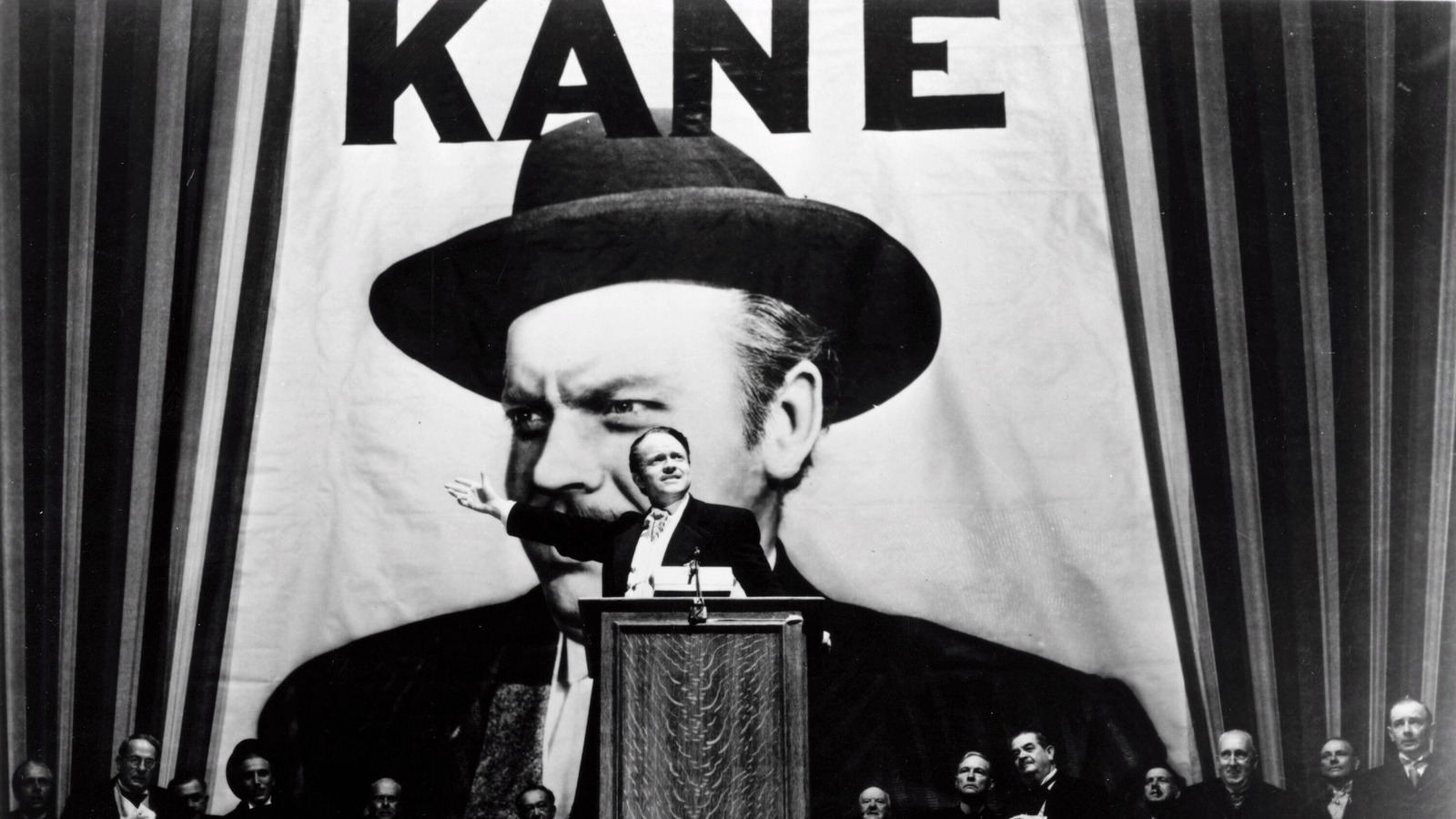
In the 1940s, amidst the turmoil of World War II, art served as a refuge for many seeking solace and understanding. Even after the war's end, its impact lingered, and cinema became a powerful medium for exploring the complexities of life. The decade saw the creation of remarkable films that offered escapism, confronted harsh realities, and showcased exceptional performances, leaving a lasting impression on audiences worldwide.
Among the standout films of the 1940s, Carl Theodor Dreyer's "Day of Wrath" stands out for its poignant portrayal of a woman, Anne Pedersdotter, navigating a society where independence is met with persecution. The film's evocative imagery and haunting atmosphere capture the tragic essence of Dreyer's storytelling, making it a compelling cinematic experience that resonates with viewers.
Vittorio de Sica's "Bicycle Thieves" delves into the harsh realities of poverty and desperation in post-war Italy, following the protagonist Antonio Ricci's relentless pursuit of a stolen bicycle. The film's nuanced portrayal of human struggles and moral complexities sets it apart, offering a raw and unflinching depiction of societal challenges.
Yasujirō Ozu's "Late Spring" explores the tender relationship between a father and daughter, Shukichi and Noriko Somiya, as they navigate the uncertainties of the future. The film's understated narrative and exceptional performances, particularly by Setsuko Hara, capture the quiet complexities of human emotions, creating a deeply moving cinematic experience.
"The Philadelphia Story," directed by George Cukor, brings together the stellar trio of Katharine Hepburn, Cary Grant, and Jimmy Stewart in a delightful comedy of romantic entanglements. The film's witty script, sharp visual sensibilities, and the chemistry between the lead actors make it a timeless classic that continues to charm audiences to this day.
Frank Capra's "It's a Wonderful Life" remains a beloved holiday tradition, thanks to Jimmy Stewart's poignant portrayal of George Bailey's journey from idealism to resilience. The film's touching narrative and heartfelt depiction of community bonds resonate with viewers, making it a timeless masterpiece that captures the essence of human resilience and hope.
Roberto Rossellini's "Rome, Open City" immerses viewers in the harrowing reality of Nazi-occupied Rome, offering a stark portrayal of wartime struggles and resilience. The film's bold storytelling and striking imagery convey the magnitude of human suffering and resistance, creating a powerful cinematic experience that reflects the harsh realities of history.
Michael Powell and Emeric Pressburger's "A Matter of Life and Death" weaves a captivating tale of love and destiny, blending vibrant colors with monochromatic visuals to depict the contrast between Earth and the afterlife. The film's imaginative visuals, sweeping romance, and stellar performances make it a cinematic masterpiece that transcends time and genre.
Akira Kurosawa's "Drunken Angel" explores themes of redemption and hope in post-war Japan, culminating in a poignant ending that balances despair with a glimmer of optimism. The film's powerful storytelling, iconic sequences, and exceptional performances by Takashi Shimura and Toshiro Mifune make it a standout achievement in Kurosawa's illustrious career.
The best movies of the 1940s are not just relics of the past but timeless works of art that continue to captivate and inspire audiences with their enduring themes, exceptional craftsmanship, and profound storytelling. These films stand as testaments to the power of cinema to illuminate the human experience and resonate across generations, making them essential viewing for cinephiles and casual viewers alike.