Facing the Drought: Challenges and Solutions in the Contiguous United States
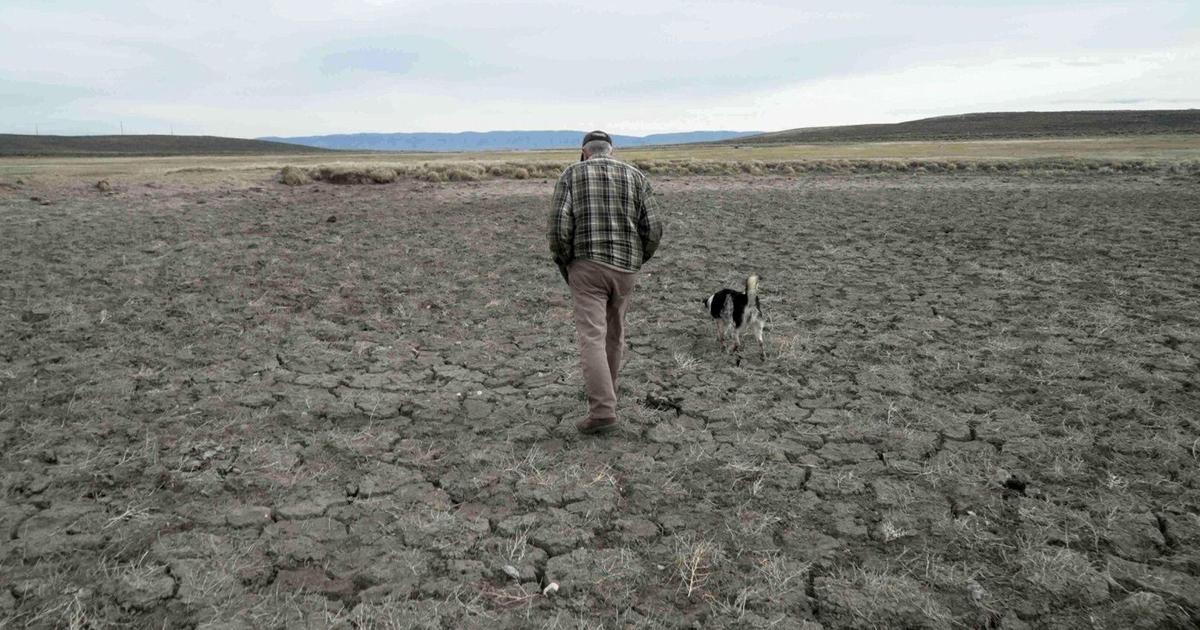
The current drought situation in the contiguous United States has hit record levels, as indicated by weather data. This concerning development is a warning sign for the upcoming wildfire season, food prices, and water-related challenges in the western regions. The U.S. Drought Monitor reports that over 61% of the Lower 48 states are experiencing moderate to exceptional drought conditions, with the Southeast and two-thirds of the West being particularly affected. This marks the highest drought levels recorded at this time of year since the inception of the drought monitor in 2000.
The severity of the drought is evident in various parts of the country, with states like California, Nevada, and Oregon facing significant water scarcity issues. The dry conditions not only pose a threat to agriculture and food production but also increase the risk of wildfires in the region. The lack of precipitation and moisture in the soil exacerbates the already challenging situation, raising concerns about the impact on ecosystems and communities reliant on water resources.
The implications of the ongoing drought extend beyond immediate concerns about water availability and agricultural productivity. The long-term effects of prolonged drought can have far-reaching consequences on the environment, economy, and society. Addressing the root causes of water scarcity and implementing sustainable water management practices are crucial steps in mitigating the impacts of drought and building resilience in the face of changing climate patterns.
In conclusion, the record levels of drought in the contiguous United States underscore the urgent need for proactive measures to address water scarcity and its associated challenges. By prioritizing water conservation, sustainable agriculture, and climate resilience strategies, we can work towards mitigating the impacts of drought and ensuring the long-term well-being of both the environment and communities across the country.