Simon and Garfunkel vs. The Rolling Stones: A Cultural Legacy Debate
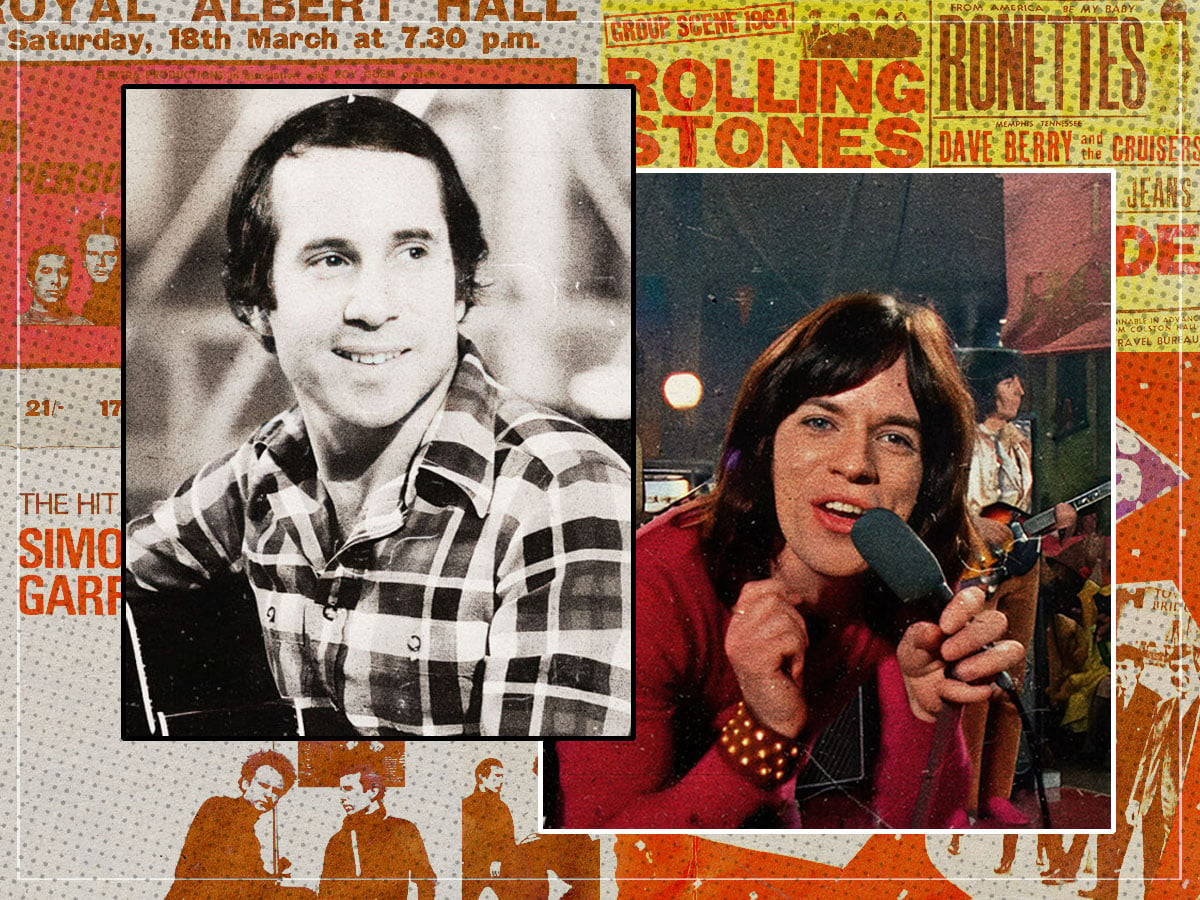
Simon and Garfunkel, the iconic duo of the 1960s, reached the peak of their fame with the release of their best-selling album, Bridge Over Troubled Water. Despite their split in 1970, their influence continued to resonate with audiences worldwide. Their success in the '60s solidified their status as one of the most popular musical acts of the decade, with nearly 90 million record sales.
As the counterculture movement of the '60s faded, the impact of artists from that era was being reevaluated. Paul Simon, after moving on to new projects, confidently asserted that Simon and Garfunkel had a more significant cultural impact than The Rolling Stones. This claim sparked discussions about legacy and commercial success, especially as the Stones faced criticism following the Altamont incident.
While The Rolling Stones released acclaimed albums like Sticky Fingers and Exile on Main St., they struggled to maintain the same level of cultural relevance as Simon and Garfunkel. The duo's songs, such as 'The Boxer' and 'America,' provided insightful commentary on the era, but their overall cultural phenomenon status was questioned. The Stones, with their raucous rock 'n' roll image, seemed to embody the essence of the era more prominently.
The debate over the cultural significance of Simon and Garfunkel versus The Rolling Stones continues to evolve. The mystique surrounding the counterculture movement and its impact on society remains a topic of interest. As Hunter S. Thompson reflected on the era, the sense of being alive during that transformative time is indescribable. The question of where these artists stand in the annals of history is a complex and ever-changing narrative. Paul Simon's assertion that their influence surpassed that of The Rolling Stones may have been true at the time, but the enduring legacy of both acts is still a subject of debate.