Unraveling the Mystique of David Bowie's 'Space Oddity': From Inspiration to Iconic Status
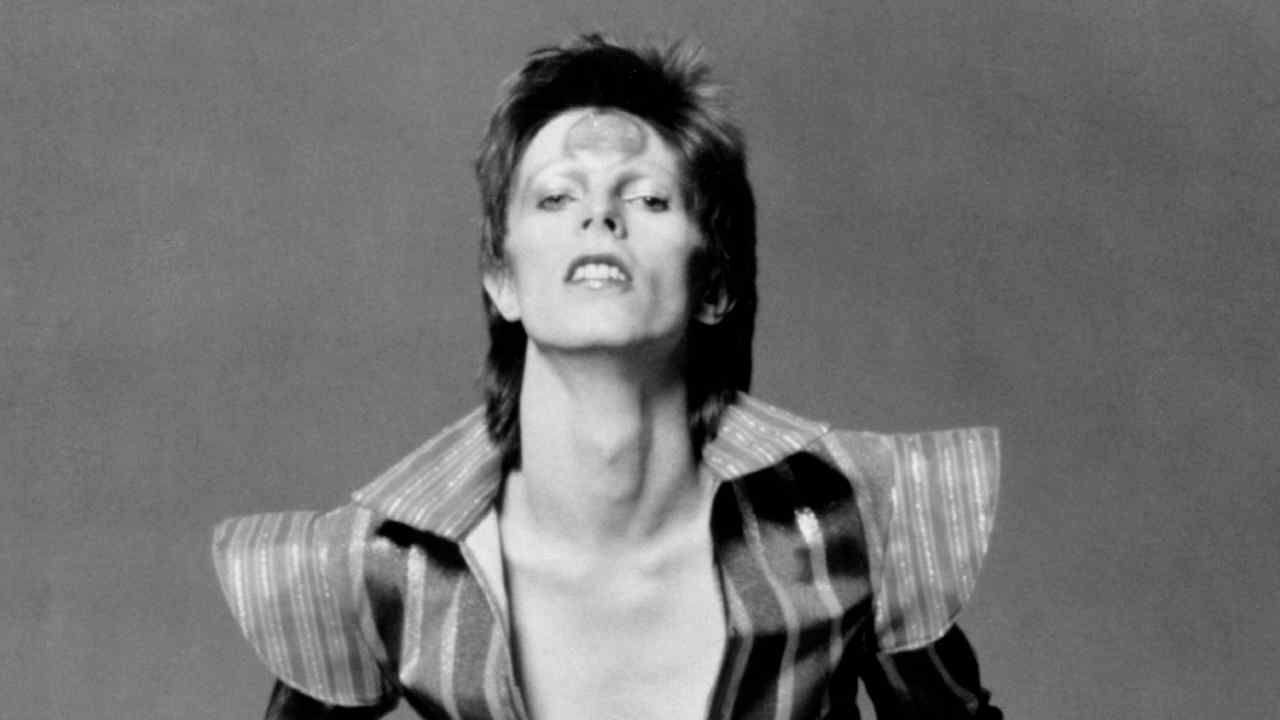
David Bowie's iconic song "Space Oddity" was inspired by a mix of influences, including Stanley Kubrick's film "2001: A Space Odyssey" and his relationship with actress Hermione Farthingale. The song's protagonist, Major Tom, was a character born out of Bowie's imagination, possibly influenced by a music hall performer named Tom Major. The song's unique structure and sound set it apart from other hits of the time, with Bowie recording a demo in 1968 before creating a full version in 1969.
The recording of "Space Oddity" was meticulously planned and executed, with producer Gus Dudgeon stepping in when Tony Visconti declined to work on the song. The track's arrangement, featuring bass by Herbie Flowers and Mellotron by Rick Wakeman, added depth and atmosphere to the song. Despite its low production costs, the song was a commercial success in the UK, winning an Ivor Novello Award in 1969.
"Space Oddity" marked the beginning of Bowie's rise to fame, paving the way for his iconic alter ego Ziggy Stardust in 1972. The song's popularity extended beyond Bowie's own performances, with numerous artists covering it over the years. Its enduring appeal lies in its innovative storytelling and musical composition, making it a classic in Bowie's discography.
"Space Oddity" encapsulates Bowie's exploration of the American dream and the uncertainty of human existence, as seen through the lens of Major Tom's space journey. The song's legacy as a groundbreaking piece of pop music endures to this day, solidifying Bowie's status as a visionary artist in the music industry.