Unveiling Marianne Faithfull: The Untold Story of 'Sister Morphine' and the Challenges of Being a Muse
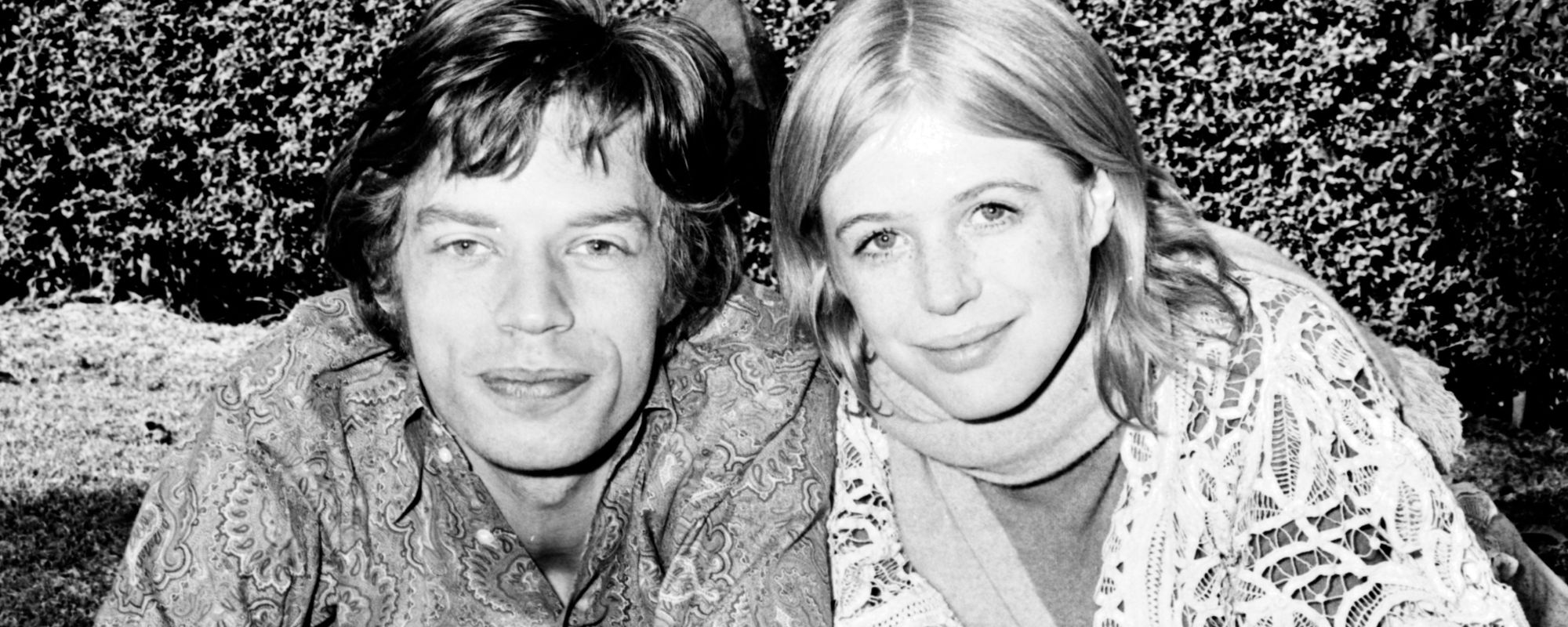
Marianne Faithfull, a renowned rock 'n' roll muse, shared her candid thoughts on the challenges of being a muse in an interview with The Guardian. She had a significant influence on The Rolling Stones, contributing to iconic tracks like "Wild Horses" and "As Tears Go By." Faithfull's creative input extended to writing the lyrics for "Sister Morphine," a song that reflected her personal experiences and emotions.
Despite her own music career, Faithfull felt constrained by the pop singer image imposed on her by Decca Records. She yearned for the raw energy and freedom of rock 'n' roll, a stark contrast to the feminine persona she was expected to embody. This internal conflict led her to explore new avenues of expression, culminating in her collaboration with Mick Jagger on "Sister Morphine."
The release of "Sister Morphine" faced a setback when Decca Records abruptly pulled the single from circulation just two days after its release. Marianne Faithfull felt abandoned by Jagger and the music industry, leading to a sense of disillusionment and betrayal. The shelving of her song marked a turning point in her relationship with Jagger and her perception of the music industry.
Faithfull's emotional connection to "Sister Morphine" and the subsequent rejection by Decca Records left her feeling isolated and unappreciated. The song's eventual inclusion on The Rolling Stones' album "Sticky Fingers" did little to alleviate her disappointment, as the significance of her contribution was largely overlooked. The experience of "Sister Morphine" encapsulated Faithfull's struggles as an artist and muse, highlighting the complexities of creative collaboration and recognition.