Ziggy Stardust: Bowie's Vision of the Future
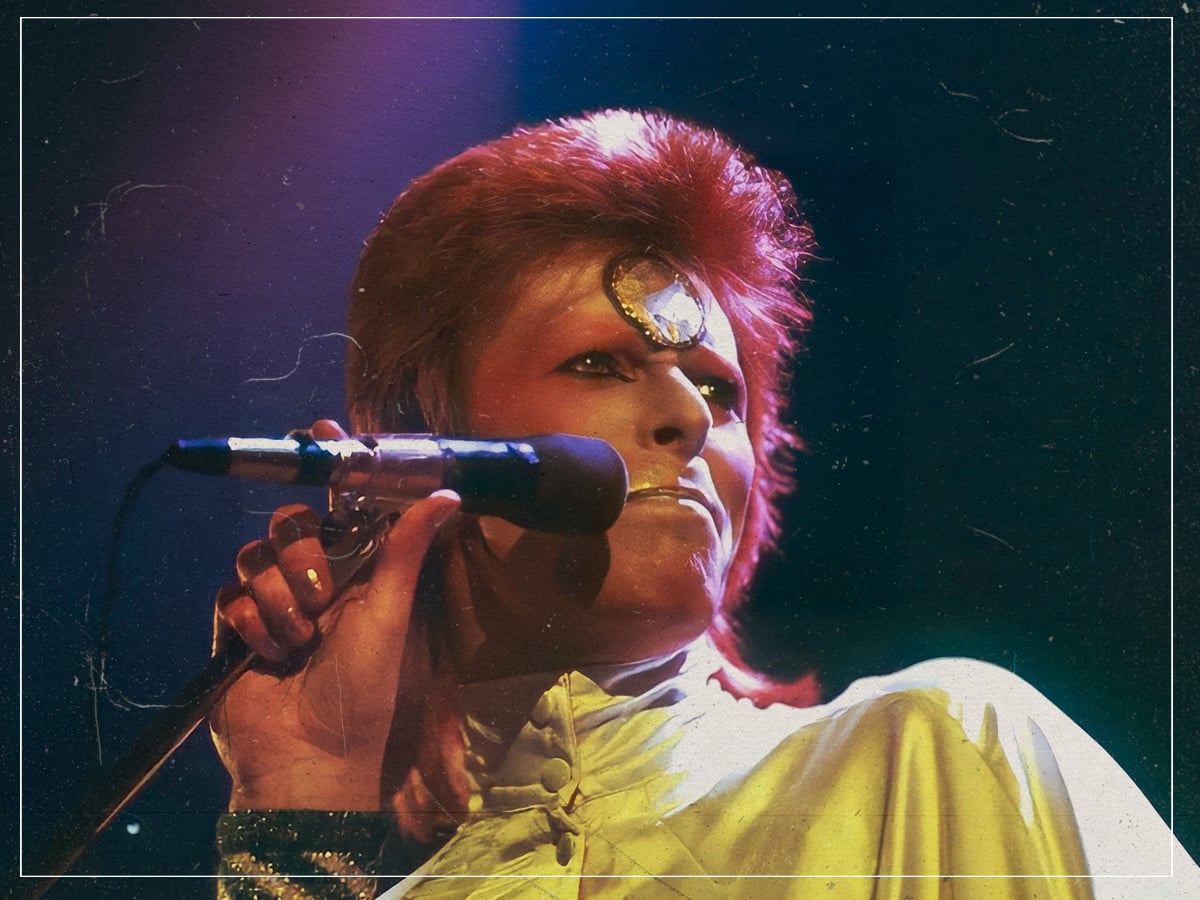
David Bowie's iconic alter-ego, Ziggy Stardust, continues to embody a forward-looking vision of the future, even decades after its inception. In the early 1970s, a wave of technological advancements and societal changes ushered in a new era marked by a sense of uncertainty and rapid transformation. Against this backdrop, glam rock emerged as a vibrant and glittering musical genre that captivated a generation disillusioned with the prevailing music scene.
Bowie, along with other artists like Marc Bolan, embraced the flamboyant and futuristic aesthetic of glam rock, shedding the trappings of the past in favor of a more daring and theatrical approach to music. Ziggy Stardust, Bowie's most famous persona, symbolized this spirit of reinvention and artistic exploration, blending elements of satire, escapism, and innovation in a way that resonated with audiences seeking something fresh and exciting.
Drawing on a diverse range of musical influences, Bowie experimented with various styles and personas before finding success with Ziggy Stardust. This willingness to push boundaries and challenge conventions defined Bowie's career and set him apart as a visionary artist ahead of his time. Through Ziggy Stardust, Bowie captured the essence of a changing world, where the old gave way to the new and the possibilities seemed endless.
The legacy of Ziggy Stardust endures as a testament to Bowie's creative genius and his ability to capture the zeitgeist of his era. The album "The Rise and Fall of Ziggy Stardust and the Spiders from Mars" remains a timeless masterpiece that continues to inspire and captivate listeners with its innovative sound and visionary spirit. Bowie's Martian alter-ego may have been born in the 1970s, but its influence and relevance extend far into the future, a testament to Bowie's enduring impact on music and culture.