Stay (2005): A Mind-Bending Exploration of Reality and Illusion
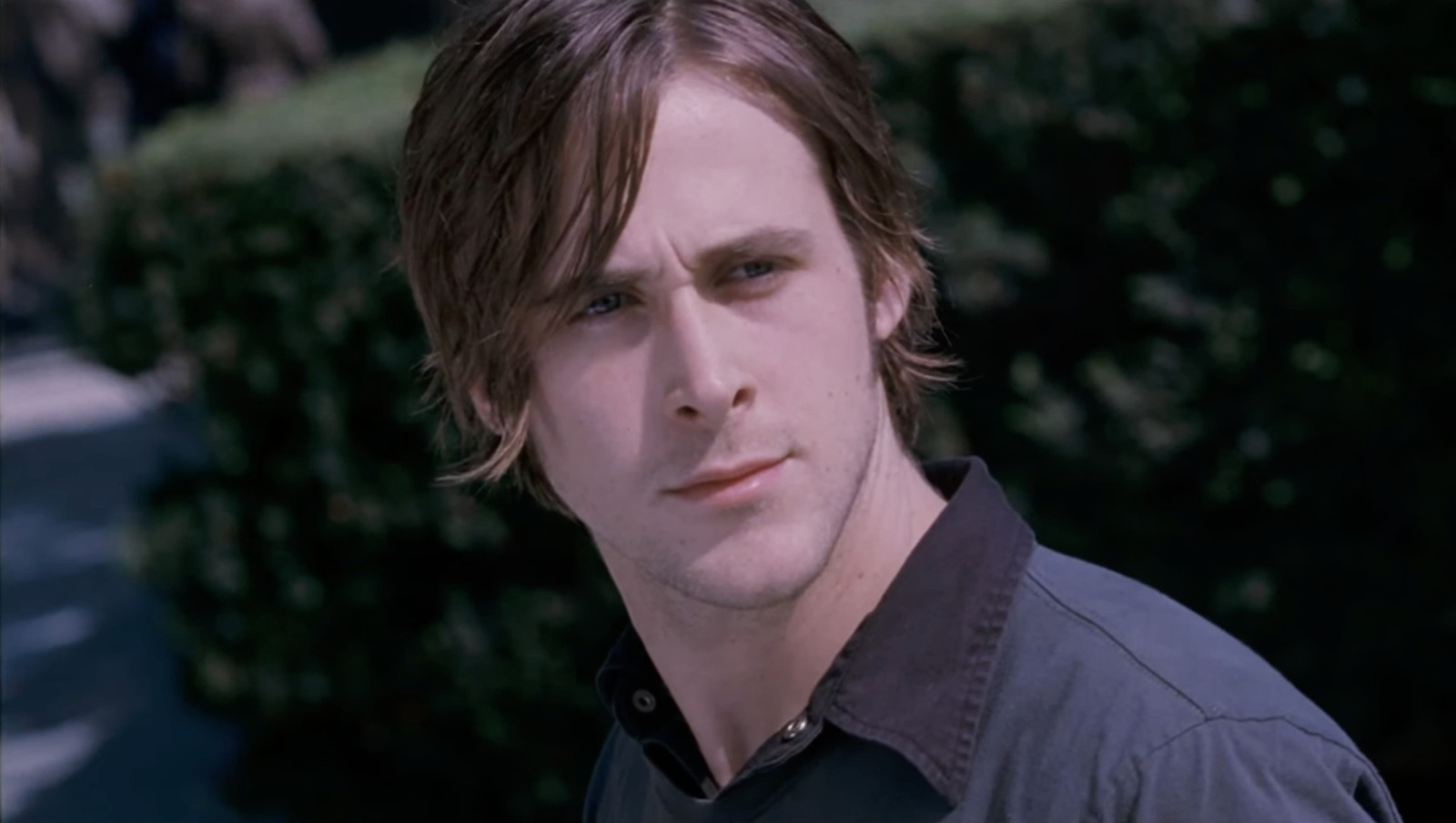
Director Marc Forster's 2005 film "Stay" presents a unique and stylized narrative that blurs the lines between reality and illusion. The story follows Henry, played by Ryan Gosling, a troubled young man who confides in a new therapist, Sam, portrayed by Ewan McGregor, about his intention to end his life. As Sam delves deeper into Henry's life, he encounters strange occurrences and inconsistencies that challenge his perception of reality.
The film's narrative unfolds in a dreamlike manner, with scenes repeating themselves and conversations taking on a circular nature. Characters like Lila, played by Naomi Watts, and a blind friend of Sam's, portrayed by Bob Hoskins, add to the enigmatic atmosphere of the story. As the plot progresses, viewers are drawn into a world where nothing is as it seems, and the boundaries between truth and fiction blur.
Written by David Benioff, known for his work on projects like "Game of Thrones," "Stay" offers a thought-provoking exploration of mental health and perception. The film's intricate storytelling and visual style, characterized by surreal imagery and inventive editing techniques, set it apart from conventional thrillers. Despite its impressive cast and captivating aesthetics, "Stay" struggled to find a wide audience upon its release.
Critics' reactions to the film were mixed, with some praising its artistic merits and others criticizing its convoluted plot. While some viewers found the film's ambiguity and unconventional storytelling engaging, others were left perplexed by its deliberate obfuscation of reality. Ultimately, "Stay" remains a polarizing film that challenges viewers to question their understanding of the world around them.
In conclusion, "Stay" is a visually striking and thematically rich film that defies traditional genre conventions. Director Marc Forster's bold approach to storytelling and the film's standout performances make it a compelling watch for those willing to embrace its enigmatic narrative. Despite its divisive reception, "Stay" remains a testament to the power of cinema to provoke thought and spark discussion.