Title: "Challenging Misconceptions: Engaging Poor White Communities in Rural Georgia for Political Change
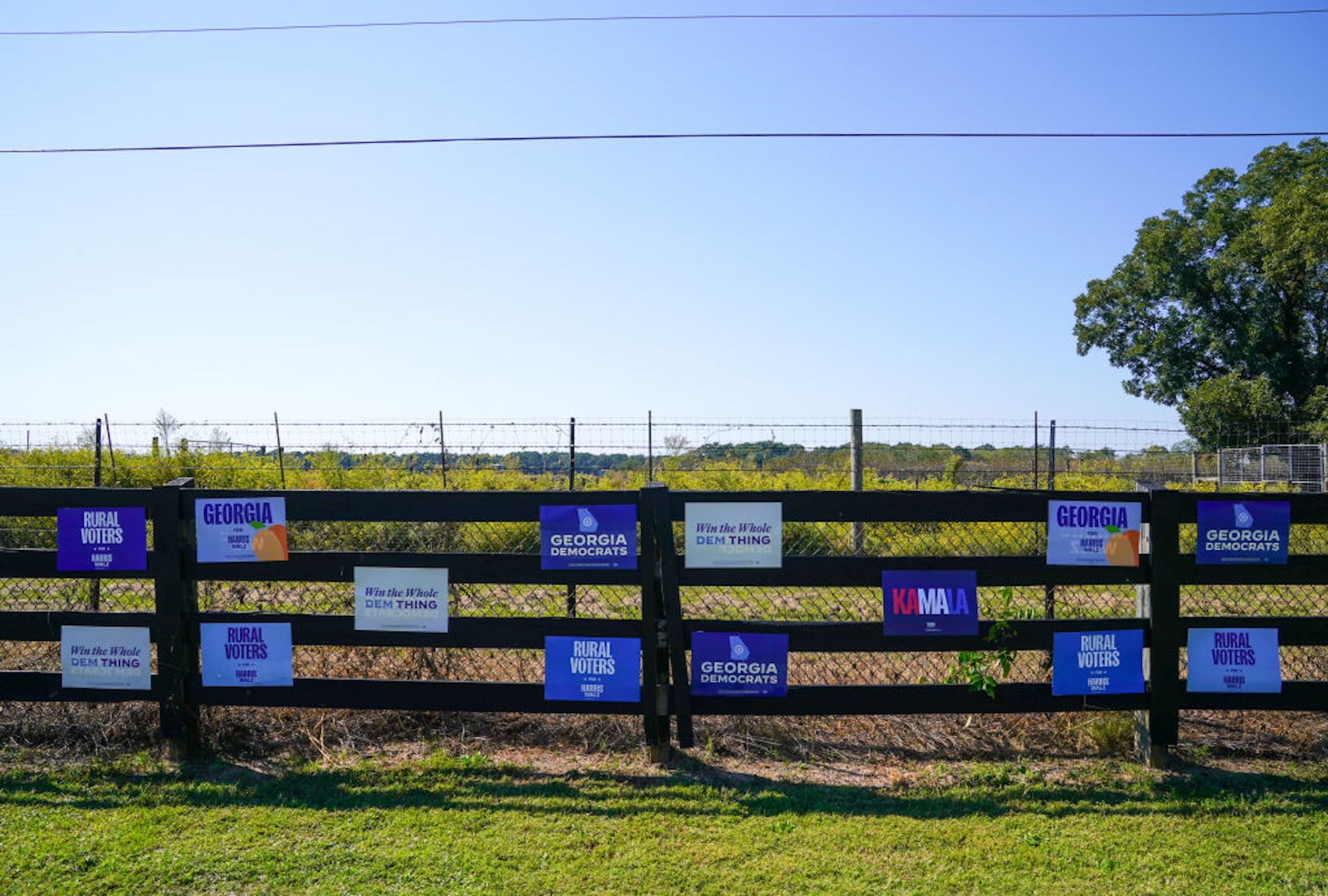
Many misconceptions exist about poor white people being the base of Donald Trump's support. The media often uses derogatory terms like "hillbillies" and "white trash" to depict racism in the South. However, during the 2020 elections in rural North Georgia, the Democratic ticket gained support in poor white communities where the antiracist organization Showing Up for Racial Justice engaged with voters. This engagement led to increased voter turnout among white Democratic voters without college degrees, showing a shift in political preferences.
Despite facing challenges like doors being slammed in their faces, the organization had meaningful conversations with people who felt ignored and marginalized. These interactions contributed to Joe Biden making gains in Georgia's majority-white counties among whites without college degrees. The efforts of the organization and its partners led to a 20% increase in voter turnout among the least likely white Democratic voters in the runoff election for the Senate.
One such encounter was with Roxanne, who lived in a double-wide trailer with her family and shared her concerns about the election outcome. Roxanne's worries about losing disability benefits and the lack of affordable, safe housing highlighted the struggles faced by many working-class individuals. Despite initial skepticism, Roxanne engaged in a conversation about the political process and the impact of wealthy politicians on people like her.
During the conversation, Roxanne and her brother-in-law, Jeremy, expressed their distrust of the political candidates and the system. They shared personal stories and concerns about healthcare, disability benefits, and housing. The dialogue emphasized the need for genuine engagement and understanding rather than shaming or guilt-tripping individuals into voting. The conversation highlighted the shared struggles of working-class people and the importance of addressing their needs and concerns.
While the conversation with Roxanne and Jeremy didn't immediately lead to a commitment to vote, it underscored the significance of ongoing engagement and support for marginalized communities. The lack of progressive organizing in rural areas and the failure of political parties to deliver tangible economic relief have contributed to the rise of right-wing ideologies and misinformation. To combat these challenges, it is crucial to engage working-class white individuals in movements for racial and economic justice.
The narrative reflects the importance of organizing efforts in rural and Southern communities to counter fascist ideologies and promote solidarity among working-class people. By addressing shared interests such as healthcare, housing, and food security, organizations like Showing Up for Racial Justice can build alliances and empower individuals like Roxanne to advocate for change. Despite the existing political landscape, the narrative emphasizes the need for continued engagement and support for marginalized communities to create a more inclusive and just society.