Title: "Laura Poitras Champions Documentary Filmmakers' Role in Opposing Paramount-Warner Bros Discovery Merger
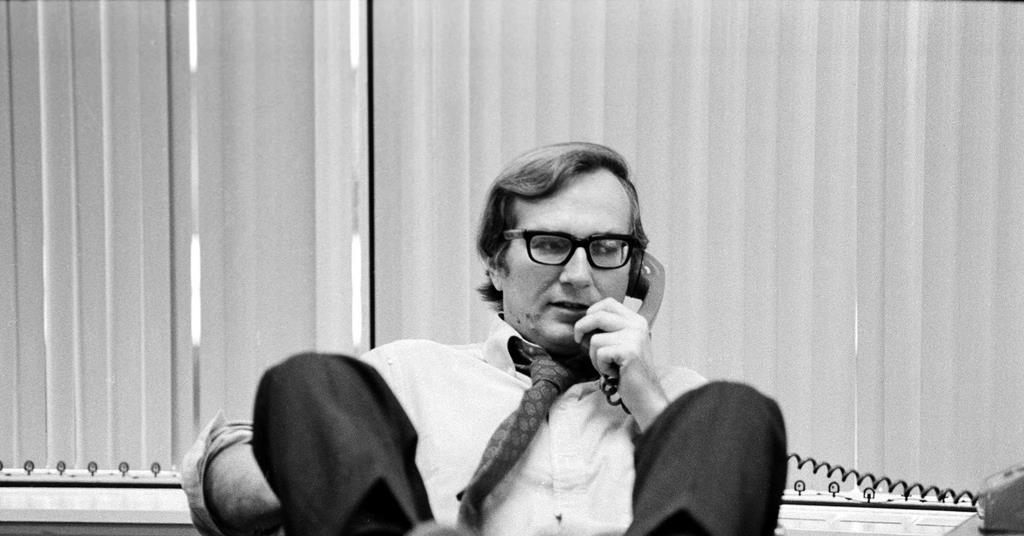
The director of Cover-Up, Laura Poitras, commended the collaborative nature of the documentary industry, highlighting its role in opposing the merger between Paramount and Warner Bros Discovery. Nearly 4,000 industry professionals, including prominent figures like JJ Abrams and Denis Villeneuve, have signed an open letter expressing strong opposition to the deal. Poitras emphasized the support of documentary filmmakers in this initiative, underscoring the community's political engagement and knowledge-sharing ethos.
Speaking at Switzerland's Visions du Reel documentary film festival, Poitras discussed the camaraderie among documentary filmmakers, contrasting it with investigative journalism, a recurring theme in her work. She acknowledged the challenging landscape for documentary funding and distribution but praised the resilience and mutual support within the filmmaking community, particularly in filling gaps left by dwindling institutional support.
Poitras raised concerns about the significant cuts to public funding for documentaries in the US, citing the impact on emerging filmmakers and the loss of vital resources like ITVS/PBS. The defunding of the Corporation for Public Broadcasting (CPB) has dealt a severe blow to independent documentary filmmaking, jeopardizing the creation and distribution of impactful films.
Reflecting on her past works, including the Oscar-nominated My Country, My Country, Poitras highlighted the importance of public funding in enabling filmmakers to tackle critical subjects like the US occupation of Iraq. She expressed doubts about the feasibility of producing similar films today, given the challenges of securing funding from traditional sources like Netflix or HBO for politically sensitive topics.
Poitras also critiqued the state of journalism during the George W. Bush administration, noting the lack of critical scrutiny on issues like Guantanamo Bay and the Iraq War. She emphasized the need for real-time accountability and public discourse on catastrophic events to drive meaningful change and prevent future crises.
The session at Visions du Reel showcased excerpts from Poitras's acclaimed films, including Citizenfour and All The Beauty And The Bloodshed, which have garnered international recognition for their incisive storytelling and investigative approach. Poitras's latest film, Cover-Up, co-directed with Mark Obenhaus, delves into the career of journalist Seymour Hersh and sheds light on the cycles of power and impunity in US politics.
Despite her initial reservations about working with Netflix, Poitras found the collaboration on Cover-Up to be successful, with the streaming platform acquiring worldwide rights to the film. The partnership allowed for independent filmmaking and broader distribution, addressing concerns about reaching audiences in key territories like Europe and the US.
In conclusion, Laura Poitras's insights at Visions du Reel underscore the vital role of documentary filmmakers in fostering collaboration, challenging power structures, and holding governments accountable. Through her work, she continues to shine a light on pressing issues and advocate for transparency and justice in the face of impunity. The festival provides a platform for filmmakers like Poitras to engage with audiences and provoke meaningful dialogue on critical social and political issues.