All Shook Up": The Story Behind Elvis Presley's Chart-Topping Hit
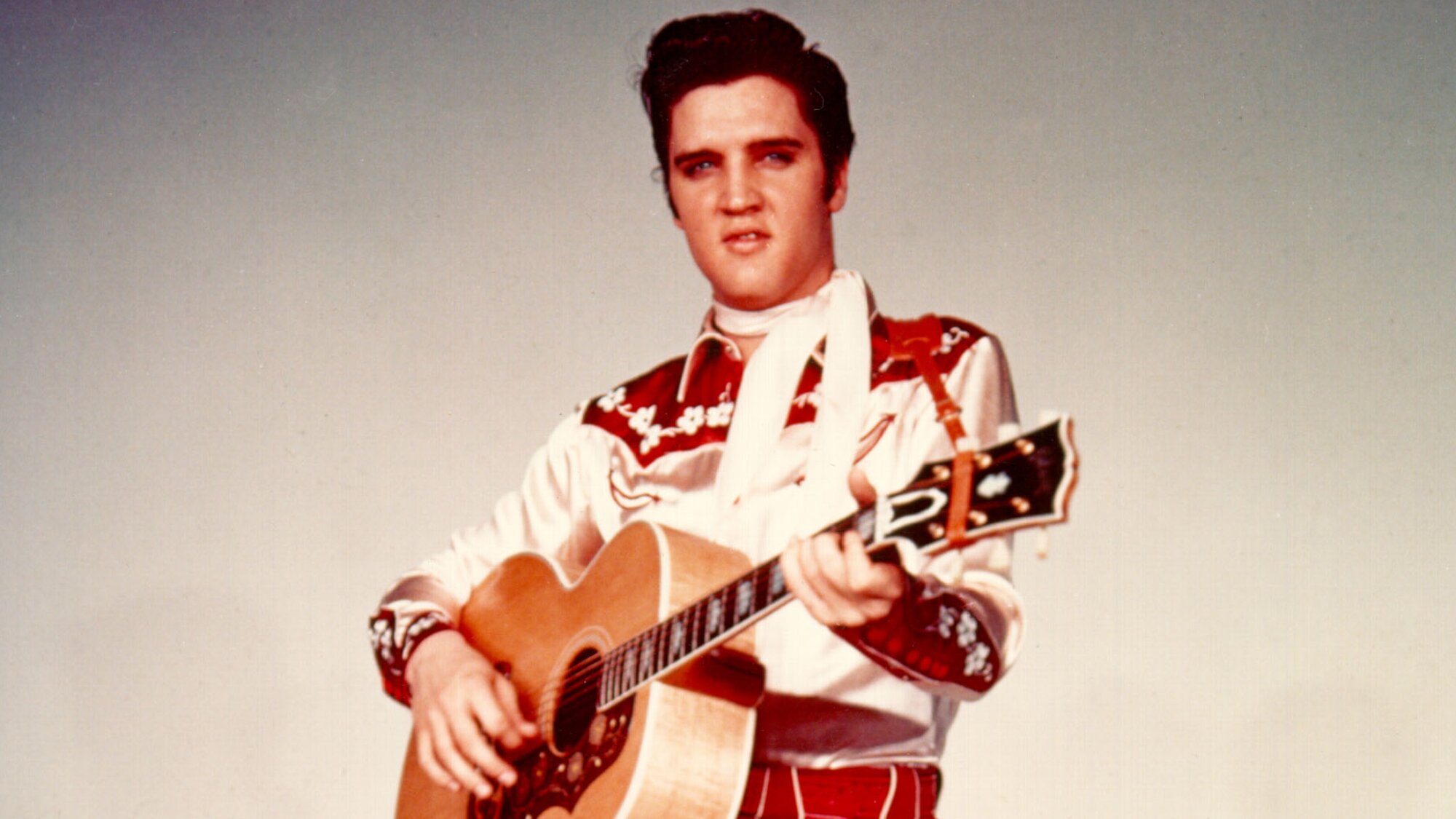
April 20, 1957, marked the day when Elvis Presley's hit song "All Shook Up" reached the No. 1 spot on the charts. This iconic track spent nine weeks at the top of the Hot 100, also dominating the R&B and country charts for several weeks. Its success extended internationally, topping charts in Canada and the UK. "All Shook Up" remains one of Presley's most popular songs, only surpassed by "Don't Be Cruel."
The enduring popularity of "All Shook Up" is evident in its 2x Platinum certification by the RIAA and numerous cover versions over the years. Artists like Suzi Quatro and Billy Joel have recorded their interpretations of the song, with varying degrees of success. Additionally, the song served as the inspiration for a Broadway musical of the same name, incorporating Presley's hits into a narrative based on Shakespeare's Twelfth Night.
Interestingly, "All Shook Up" stands out as the only song Presley claimed to have co-written during his career. Despite not being known for songwriting, Presley received credits on several hits, often at the insistence of his manager, Colonel Tom Parker. In a revealing 1957 interview, Presley admitted to not playing guitar or reading music, dispelling the myth of his songwriting abilities. He attributed the inspiration for "All Shook Up" to a vivid dream that left him feeling shaken.
The creative process behind "All Shook Up" involved songwriter Otis Blackwell, who had previously penned "Don't Be Cruel." Struggling to craft a follow-up hit, Blackwell found inspiration in a suggestion from Al Stanton, a co-owner of the publishing company he was signed with. The idea for the song came to Blackwell after a conversation with Stanton, leading to the creation of the chart-topping track a few days later.
In conclusion, "All Shook Up" stands as a testament to Elvis Presley's musical legacy and enduring impact on popular culture. The song's journey from a dream-inspired concept to a chart-topping hit showcases the collaborative nature of music creation and the timeless appeal of Presley's iconic sound.