Exploring the Horror Renaissance of the 1970s: Iconic Villains, Enduring Classics, and Cultural Impact
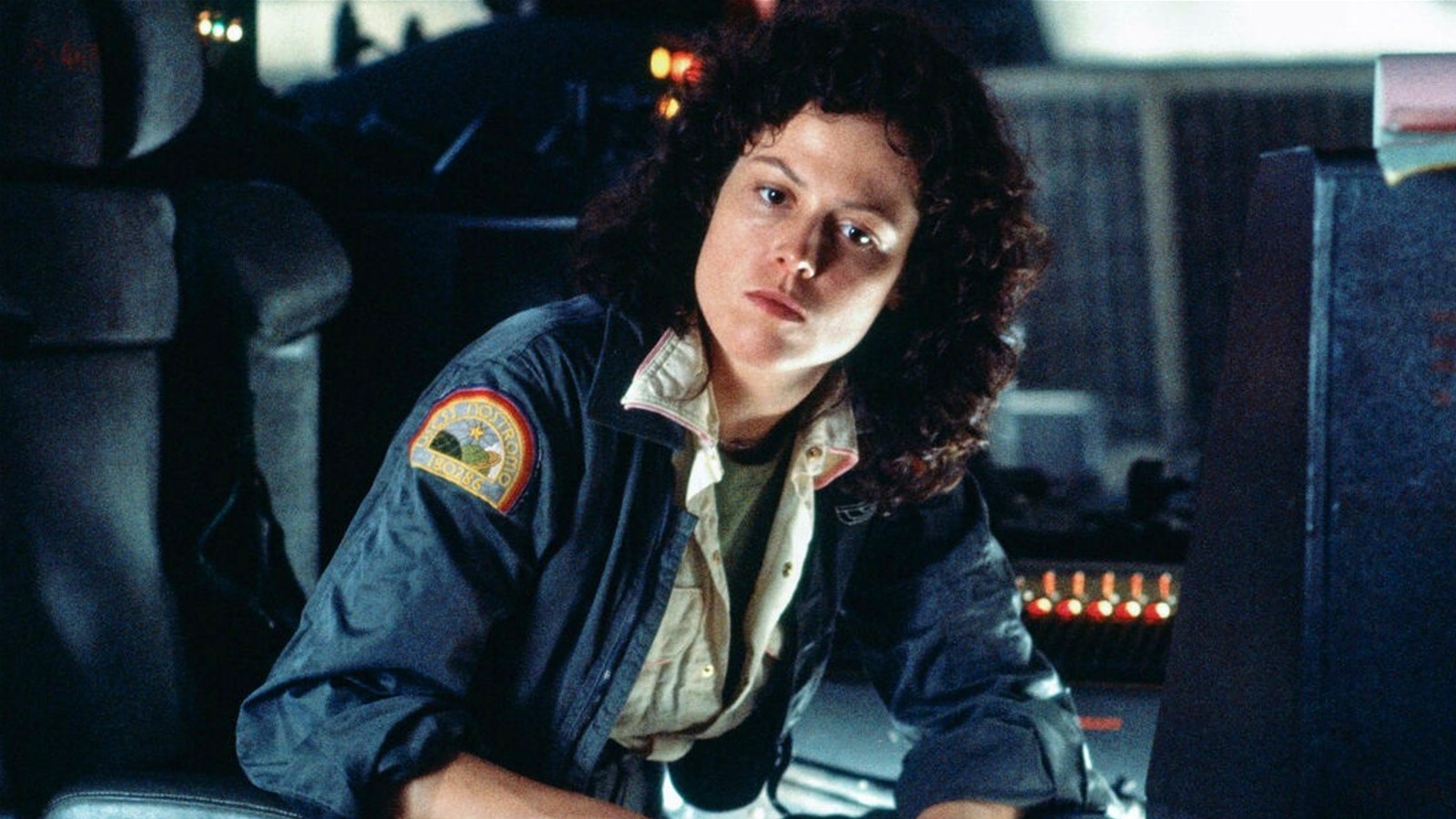
The 1970s marked a significant shift in the horror genre, as filmmakers began to explore new boundaries following the end of the Hays Code censorship era. This period saw the emergence of iconic horror villains and the creation of some of the genre's most enduring classics. The decade was characterized by a blend of experimentation and boundary-pushing, fueled by the cultural backdrop of the time. While some 1970s horror films may feel dated, others have stood the test of time and continue to be influential in the genre.
One such classic from the 1970s is "The Texas Chain Saw Massacre," directed by Tobe Hooper in 1974. This film introduced audiences to the iconic Leatherface and set the stage for the slasher genre as we know it today. Despite its reputation for gore, the film surprises viewers with its elegant filmmaking and memorable imagery. The narrative delves into themes of family dynamics and desperation, adding layers of discomfort to the horror experience.
Another standout from the decade is Steven Spielberg's "Jaws," released in 1975, which revolutionized the concept of blockbuster cinema. The film's portrayal of a shark attack and the ensuing bureaucratic chaos in a small town resonates with audiences to this day. Spielberg's masterful direction and the film's iconic scenes have solidified its status as a horror classic that continues to captivate viewers.
"Carrie," based on Stephen King's novel and directed by Brian De Palma in 1976, remains a timeless tale of high school cruelty and supernatural powers. The film's exploration of bullying and teenage angst has ensured its relevance across generations. With multiple adaptations and a loyal fan base, "Carrie" stands as a definitive horror story that continues to be revisited and reimagined in various forms.
George A. Romero's "Dawn of the Dead" (1978) further expanded the zombie genre, using the setting of a shopping mall to critique consumerism and societal decay. Romero's film serves as a chilling commentary on human nature and mob mentality, making it a thought-provoking horror experience that transcends its genre roots. The film's lasting impact is evident in its enduring relevance and influence on subsequent zombie narratives.
The 1970s were a transformative period for horror cinema, with filmmakers pushing boundaries and creating enduring classics that continue to resonate with audiences today. These films from the era have left an indelible mark on the genre, showcasing the power of storytelling and visual artistry in creating lasting horror experiences.