Guard Deployment in Washington, D.C.: A Controversial Presence in the Nation's Capital
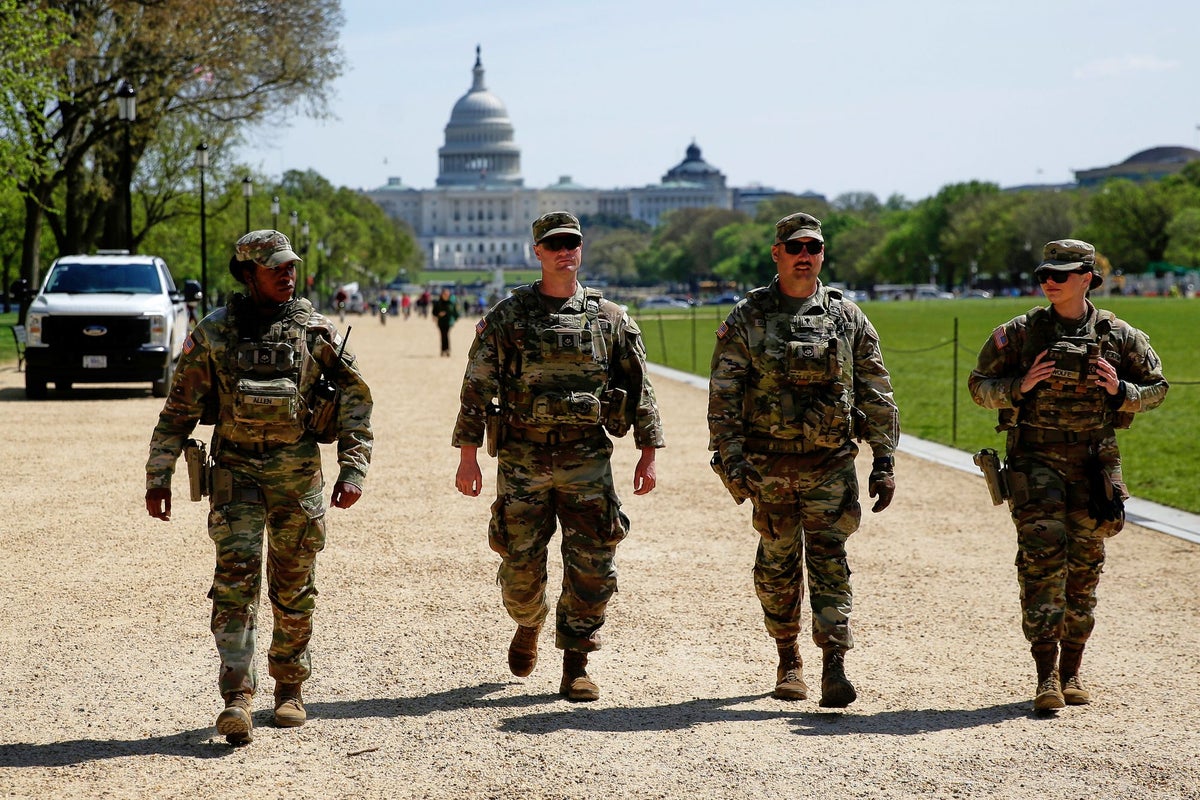
Washington, D.C.'s cherry blossoms attract over a million visitors each year, with some visitors noticing the presence of armed troops in the city. The deployment of more than 2,500 troops in the nation's capital has become a routine sight, with no clear end in sight. Despite the ongoing presence of the guard, local officials and candidates running for office have not made it a central issue in their campaigns. The deployment, initiated by President Donald Trump in response to a crime emergency, has been met with mixed reactions from residents and officials.
The guard members have been involved in various activities, including responding to medical emergencies, assisting with arrests, enforcing curfews, and participating in beautification projects. The Trump administration claims that the deployment has helped reduce crime in the city, citing thousands of arrests and seizures of illegal firearms. However, there are ongoing disagreements over the impact of the deployment on crime rates in Washington, which was already on the decline before the guard's arrival.
Despite ongoing court battles challenging the guard deployment, the presence of troops in the city is expected to continue unless a judge intervenes. Mayor Muriel Bowser has navigated a delicate balance between cooperating with the federal intervention and pushing back on certain demands. The upcoming elections in the city have focused on issues like affordability, statehood, and federal accountability, with the guard deployment not being a central campaign issue for most candidates.
Residents have expressed concerns over the continued presence of the guard, but frustrations have eased following a tragic incident where two guard members were ambushed near the White House. While some council members and mayoral candidates have raised issues about the high costs and federal intervention, the guard's presence remains a contentious topic in the city. Advocacy groups are planning protests to oppose the federal surge and the ongoing military occupation of D.C. before the June election.
The situation in Washington, D.C., highlights the city's limited autonomy and the challenges it faces in asserting local control over law enforcement and military deployments. The presence of armed troops in the city during elections raises concerns about voter intimidation and the need to ensure a safe voting environment for residents. The ongoing debate over the guard deployment underscores the broader issues of self-governance and democratic accountability in the nation's capital.