Harlan Ellison: The Enigmatic Legacy of a Sci-Fi Icon
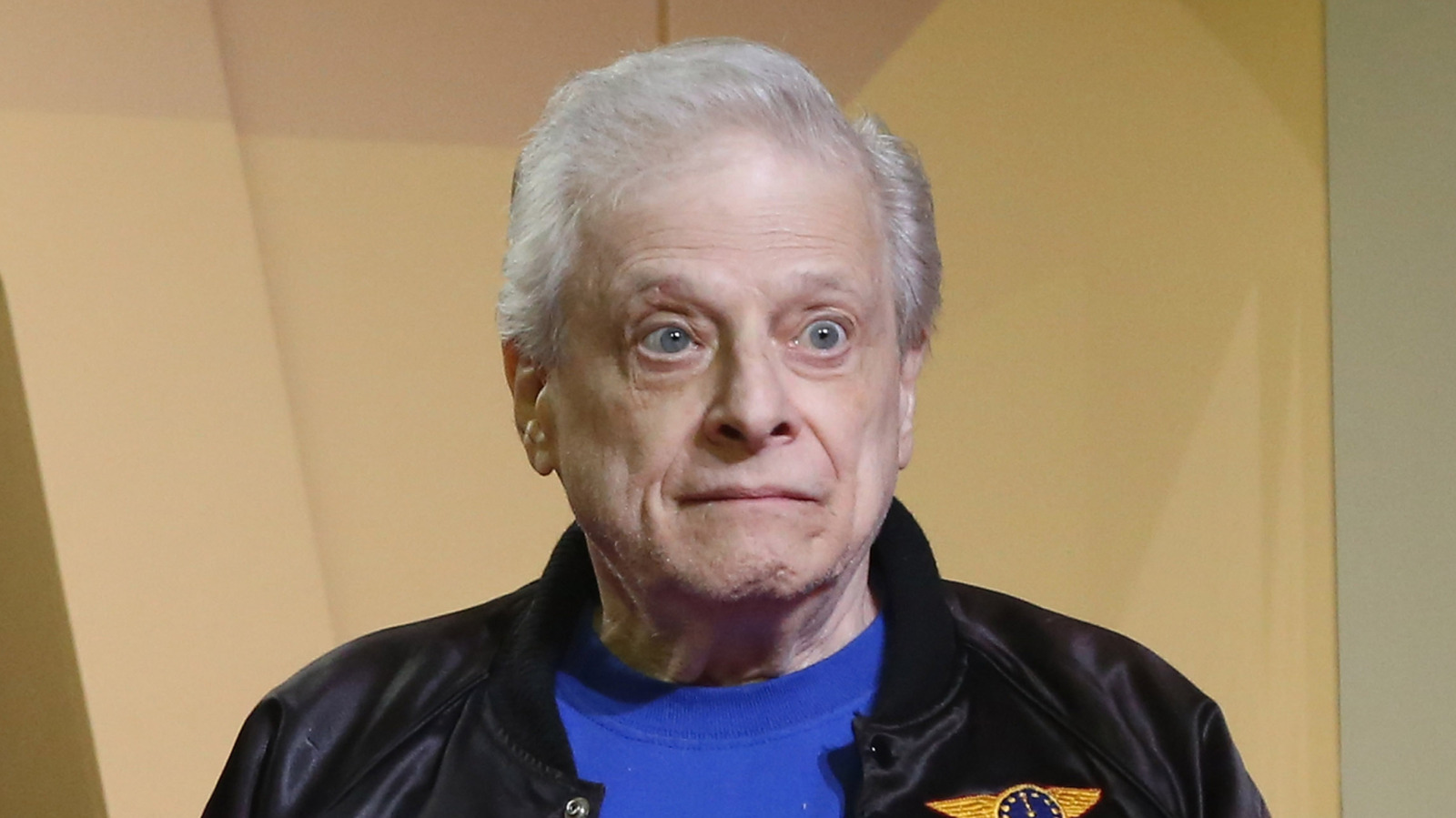
Harlan Ellison is a renowned science fiction writer known for his exceptional works like "A Boy and His Dog" and "'Repent, Harlequin!' Said the Ticktockman." Despite his impressive literary contributions, Ellison's stories have not been adapted as frequently as one might expect. While there are numerous film and TV adaptations of works by authors like Isaac Asimov and Philip K. Dick, Ellison's adaptations are relatively scarce. One notable adaptation is the cult film "A Boy and His Dog" (1975) directed by L.Q. Jones and starring Don Johnson. Additionally, some of Ellison's short stories have been adapted for television, such as the Wes Craven-directed "Shatterday" segment in the 1985 version of "The Twilight Zone." Ellison himself adapted his story "Soldier from Tomorrow" for the Season 2 premiere of "The Outer Limits" in 1964. Despite a few adaptations in sci-fi and horror anthology series, there have been limited adaptations of Ellison's work in comparison to other authors.
One of the reasons for the scarcity of Harlan Ellison adaptations could be attributed to his reputation as a challenging and confrontational individual. Ellison, who passed away in 2018, was known for his contentious nature and legal disputes within the entertainment industry. His disputes with industry figures, such as the prolonged feud with Gene Roddenberry over a "Star Trek" episode and the lawsuit regarding James Cameron's "The Terminator," reflect his combative personality. Ellison's litigious tendencies and confrontations with comic book publishers and websites may have deterred filmmakers from adapting his work. The potential legal complications and conflicts associated with Ellison's legacy could have dissuaded filmmakers from pursuing adaptations of his stories, opting for more cooperative authors instead.
Despite the challenges and controversies surrounding Harlan Ellison, his writing has made notable appearances on television throughout the years. Ellison ventured into television writing in 1963, contributing to various shows like "Burke's Law" and "The Man From U.N.C.L.E." His versatility as a writer extended beyond the printed page, showcasing his talent for crafting engaging narratives for television audiences. While the adaptations of Ellison's works remain limited, his influence and presence in the realm of television storytelling are undeniable. The unique blend of creativity and controversy that defined Harlan Ellison's career continues to intrigue audiences and creators alike, leaving a lasting legacy in the world of science fiction and speculative fiction.