Navigating SNAP Work Requirements: The Impact on Mingo County's Community and the Role of Local Organizations
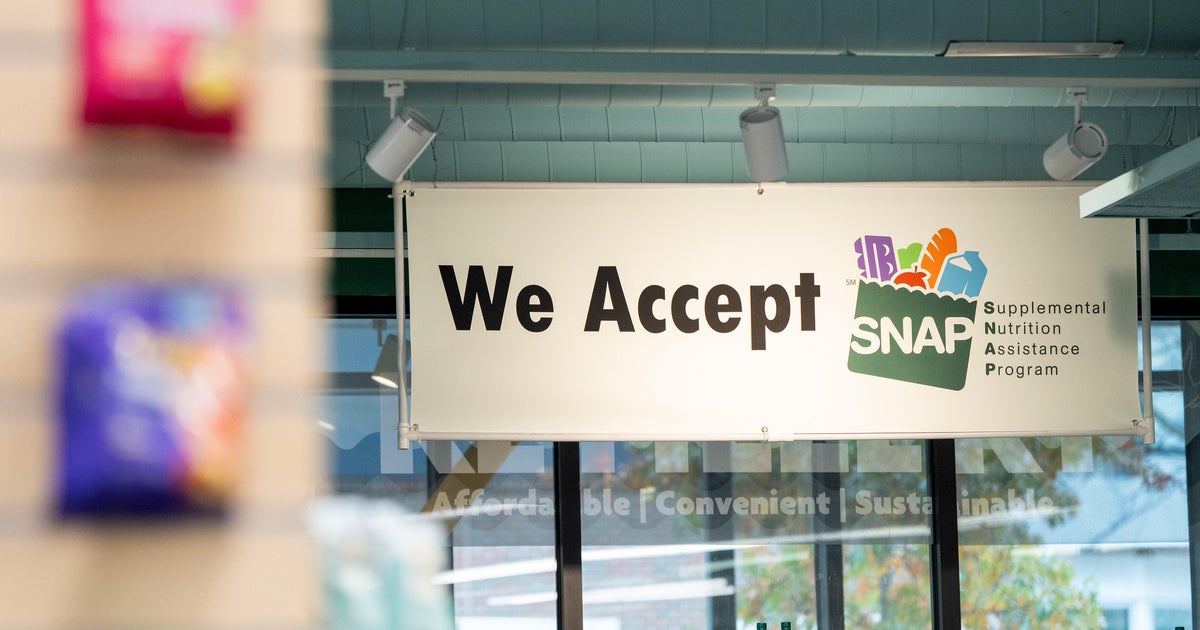
In Delbarton, West Virginia, the House of Hope mobile food pantry serves the community by distributing groceries to those in need. Despite facing challenges like long wait times and new SNAP work requirements, individuals like Perry and Lilly Hall rely on the pantry for support. The federal One Big Beautiful Bill Act has imposed stricter work requirements on SNAP recipients, affecting many in the community who struggle to find employment.
Rhonda Rogombé, a policy analyst, has studied the impact of work requirements on SNAP recipients and found that they do not necessarily lead to increased employment rates. In Mingo County, where jobs are scarce, the reinstatement of work requirements did not result in more people finding work. The struggle to meet these requirements can exacerbate existing challenges faced by residents, such as hunger and financial instability.
Despite the difficulties, organizations like House of Hope continue to provide essential support to the community. Through food distributions and volunteer efforts, they offer a lifeline to individuals like the Halls and others who rely on their services. The dedication of volunteers like Timothy and Christine Treleven and Gail Lendearo ensures that those in need receive assistance when they need it most.
In a county where poverty is prevalent and resources are limited, the impact of changes to SNAP requirements can be significant. Residents of Mingo County face numerous barriers to employment, including health issues, housing instability, and lack of education. Accessing benefits and complying with new rules can be challenging, especially for those without reliable internet access.
As states prepare to take on a greater share of administrative costs for SNAP, concerns about the program's future arise. States like Kentucky and West Virginia, already struggling with poverty, may see a decrease in SNAP participation due to the added financial burden. Researchers like Jessica Klein warn of potential health consequences and decreased access to essential benefits if states choose to scale back their SNAP programs.
Despite these challenges, community members in Mingo County are rallying to support one another. Food pantries like the Blessing Barn in Ben Creek provide vital resources to residents in need. Janet Gibson, who runs the pantry, emphasizes the importance of community support and connection in times of hardship. With limited resources and transportation challenges, the community relies on these local initiatives to ensure that no one goes hungry.
In conclusion, the impact of SNAP work requirements and changes to the program can have far-reaching effects on communities like Mingo County. Organizations like House of Hope and dedicated individuals like Janet Gibson play a crucial role in providing support and resources to those in need. As challenges persist, community resilience and solidarity remain essential in addressing food insecurity and supporting vulnerable populations.