Security and Sovereignty: The Debate Over the National Guard in Washington, D.C.
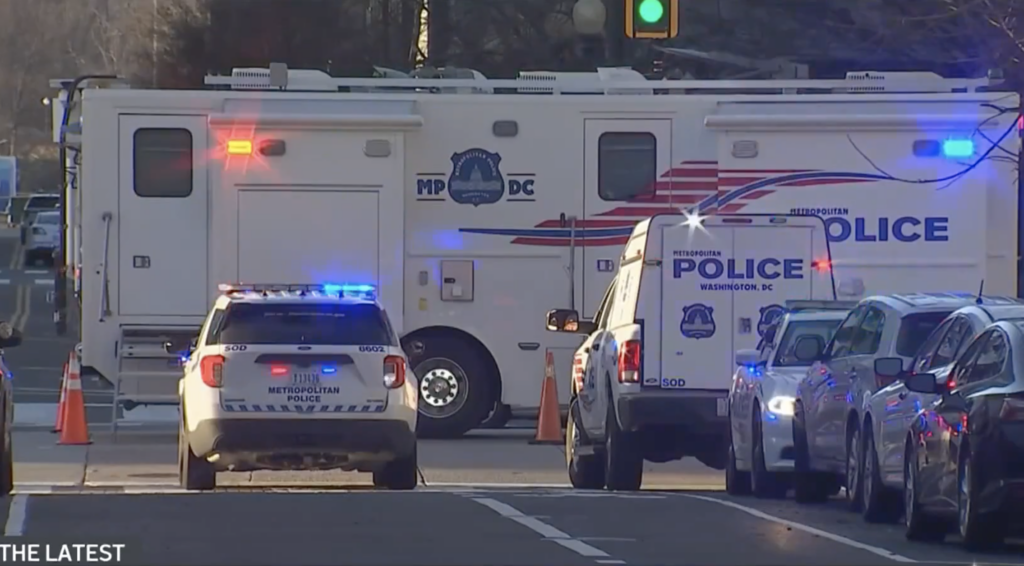
Capitol Hill, known for its historic charm and architectural beauty, has recently been disrupted by a group of activists protesting the presence of the National Guard in the District. These activists, part of the "Free DC" movement, are advocating for the removal of the National Guard, despite the need for enhanced security measures due to rising crime rates in the city.
The activists, predominantly residents of affluent neighborhoods like Capitol Hill, seem to overlook the underlying issues that have necessitated the National Guard's presence. The District has been grappling with a surge in youth-driven violence, exemplified by incidents in areas like Navy Yard, where street brawls and property damage have become all too common.
While the District has made some progress in reducing crime rates, much of it has been in spite of the local government's ineffective handling of public safety issues. The decision to decriminalize fare evasion and repeal mandatory minimums for crimes has only exacerbated the situation, leading to a sense of lawlessness in the city.
The presence of the National Guard has proven effective in restoring order and reducing crime in the District. However, it is not a long-term solution. The need for federal intervention highlights the shortcomings of the District's governance and the limitations of local autonomy under Home Rule.
Washington, D.C., as the nation's capital, holds significance beyond its local jurisdiction. It serves as a symbol of the country and should be governed with the utmost care and responsibility. The federal government's role in ensuring the safety and security of the capital is crucial, especially in times of crisis.
In conclusion, the debate over the National Guard's presence in the District raises broader questions about governance and security in the nation's capital. While activists may protest against federal intervention, the reality is that Washington, D.C., requires a comprehensive approach to maintaining public order and upholding its status as a beacon of democracy.