Kevin Warsh's Nomination for US Federal Reserve Chair: Navigating Political Tensions and Economic Stability
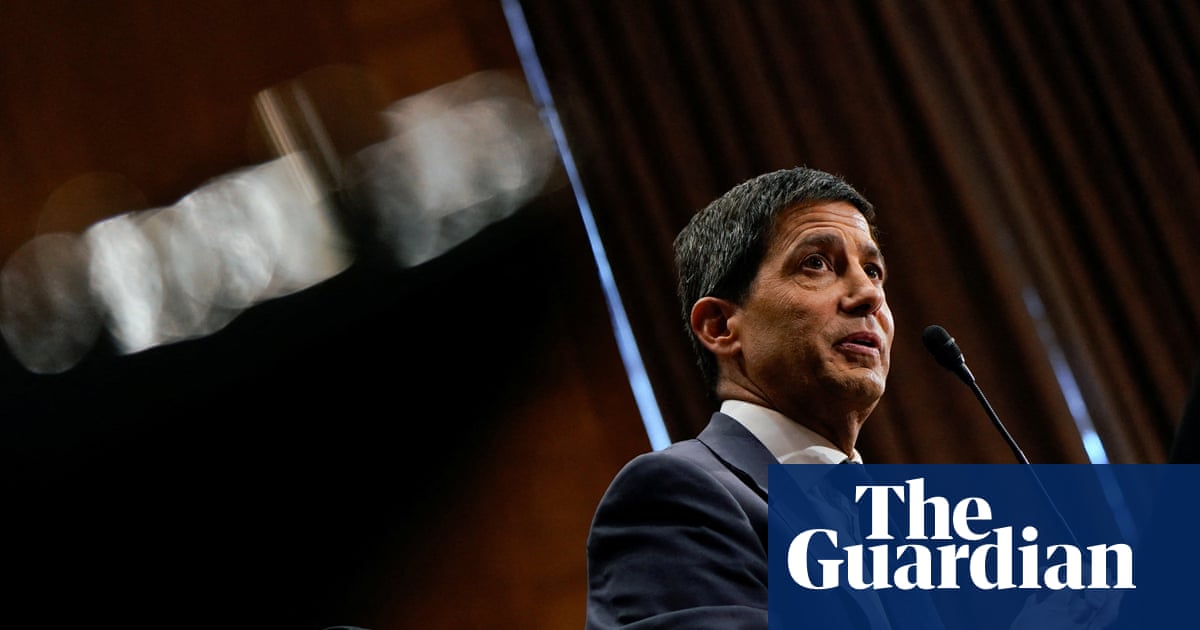
Kevin Warsh, the nominee for US Federal Reserve chair, faced a challenging hearing in Washington, where he was questioned about his wealth and independence from the president. If confirmed, Warsh will have significant influence over the global economy and financial markets. He emphasized the importance of keeping politics out of monetary policy during the Senate banking committee hearing.
Warsh's nomination has been marred by political tensions, especially with Democrats who raised concerns about his investments and loyalty to Trump. Senator Elizabeth Warren referred to Warsh as Trump's "chosen sock puppet" and highlighted the need to prevent an "illegal takeover of the Fed." Warren pressed Warsh on his investments and their potential connections to Trump-related entities, money laundering, and other controversial areas.
Warsh faced scrutiny over his independence from Trump, particularly after the president hinted at lowering interest rates once Warsh assumes the role. Warren challenged Warsh on his views and relationship with Trump, emphasizing the importance of the Fed's independence. Warsh acknowledged differences with Trump but stressed the need to keep politics out of the Federal Reserve's operations.
The confirmation process for Warsh is complicated by political divisions, with Republican Senator Thom Tillis blocking the nomination until Trump ends the investigation into current Fed chair Jerome Powell. Tillis highlighted concerns about the investigation's validity and its impact on Warsh's confirmation. The independence of the Fed and the stability of the economy are central to the debate surrounding Warsh's nomination.
Despite the challenges and political tensions surrounding his nomination, Warsh's confirmation remains uncertain. The Senate's role in ensuring the Fed's independence and the integrity of its operations is a key focus of the confirmation process. The outcome of Warsh's nomination will have significant implications for the Federal Reserve and its ability to navigate political pressures while maintaining economic stability.