Met Gala Evolution: From Icons to Influencers - A Shift in Fashion's Landscape
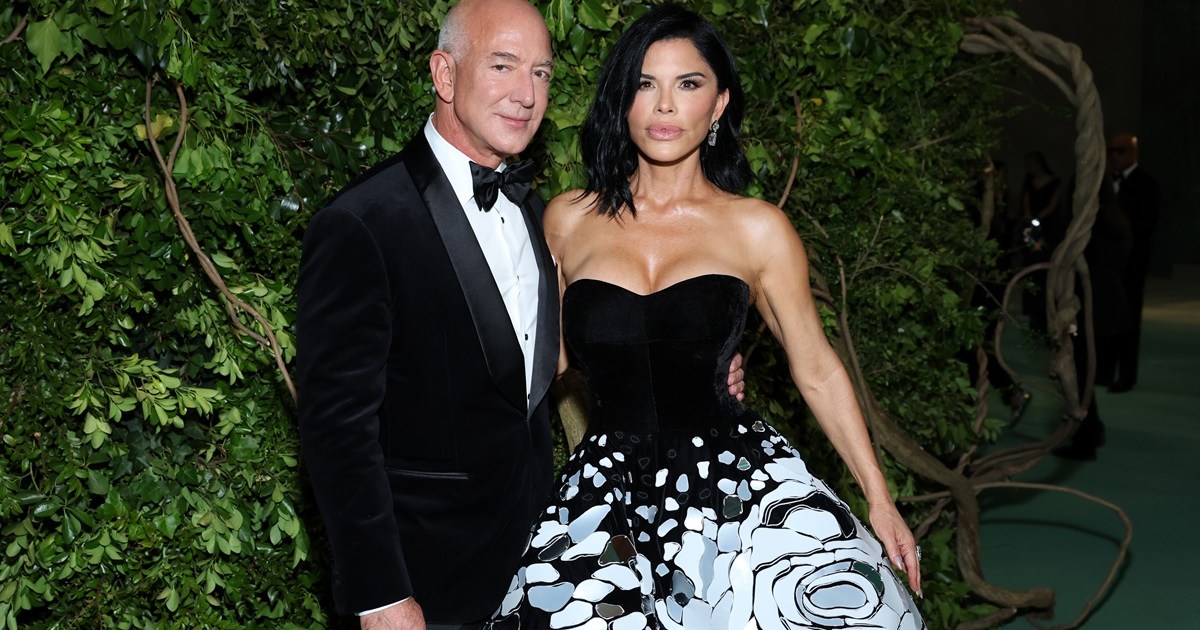
The upcoming Met Gala, an annual charity event for The Metropolitan Museum of Art’s Costume Institute, has been making headlines for reducing ticket prices and other expenses following criticism that it has become a "billionaire circus." Scheduled for May 4, this year's gala has adopted the dress code "Fashion is Art."
Critics have accused the Met Gala of shifting its focus from iconic figures to influencers. In response to the backlash, the event has reportedly lowered ticket prices and other costs due to decreased designer participation. A source revealed that the demand for tickets has declined, prompting the need for cost reductions.
Amidst the criticism, there are discussions about the diminishing influence of Vogue and its editor-in-chief, Anna Wintour, on the event. Previously, attending the Met Gala was seen as a career-defining moment due to Wintour's approval. However, with changing dynamics, the event's significance and power dynamics are evolving.
Designers are reportedly feeling apprehensive about the politically charged atmosphere surrounding the Met Gala. The event's perceived shift towards being more influencer-driven has raised concerns among designers who question the value of investing in expensive tables when influencers can offer broader reach and quicker results.
The tipping point for the Met Gala's image transformation was attributed to the Bezos-Sánchez affair, which shifted the event's perception from aspirational to a showcase of billionaire extravagance. The focus on influencers over traditional icons has altered the event's essence, signaling a significant shift in its identity.
In conclusion, the Met Gala's decision to reduce ticket prices and adapt to changing trends reflects a broader shift in the fashion industry towards influencer-driven events. The event's evolution from a symbol of high fashion to a platform for social media influencers marks a significant departure from its traditional roots.