Red Carpet Beauty Trends: The Influence on Consumer Behavior and the Beauty Industry
The red carpet serves as a crucial testing ground for the beauty industry, influencing global consumer behavior. Skincare and wellness preparations are essential to withstand the scrutiny of modern high-definition cameras. The impact of these behind-the-scenes processes extends beyond the stars to shape the retail market, with skincare dominating 44% of the industry according to a McKinsey & Company analysis. This analysis delves into the data-backed treatments like cryotherapy and sunless tanning that drive red carpet looks and eventually influence consumer products.
The prevailing aesthetic trend on the red carpet is "glass skin," emphasizing hydrated skin for a reflective, translucent finish. This trend, rooted in K-beauty principles, has shifted consumer preferences towards dewy finishes over matte looks. The economic impact of the glass skin trend lies in the preventative skincare category, attracting a younger demographic like Gen Z who view skincare as a long-term investment in their appearance. The focus has shifted towards maintaining dermal health as a strategic asset rather than just covering imperfections.
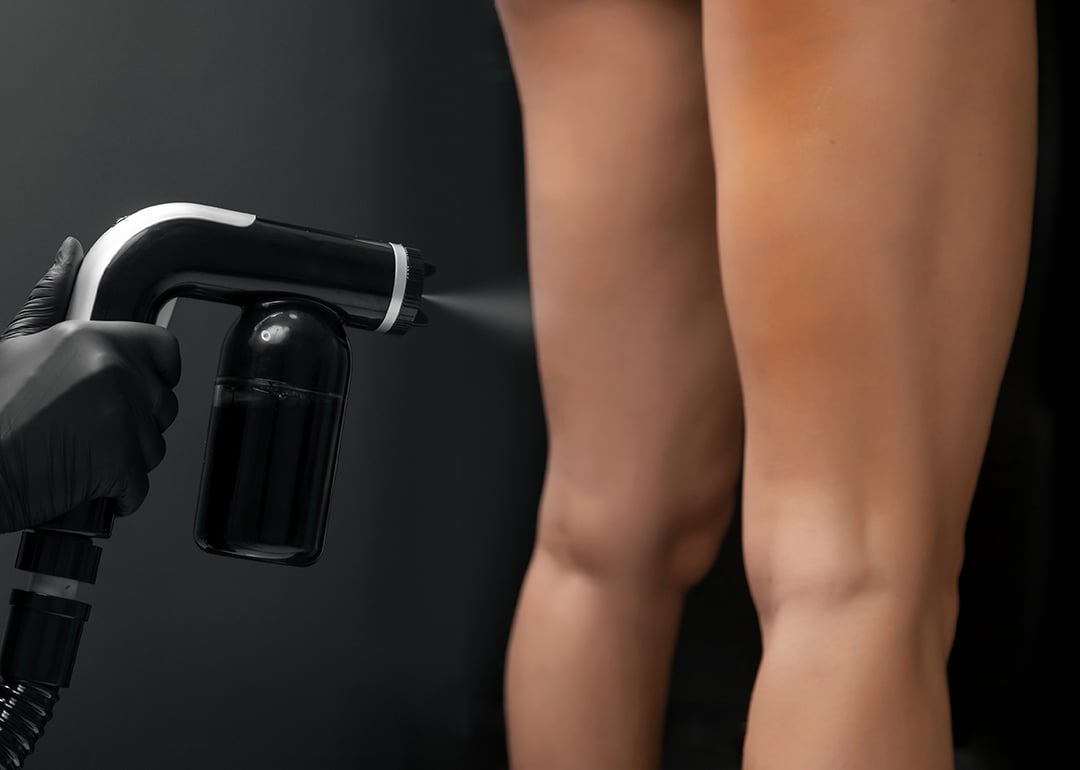
The move towards glass skin has also impacted the tanning sector, with sunless tanning becoming the go-to method for achieving a camera-ready glow. Consumers are increasingly opting for sunless tanning due to its efficiency and lack of UV exposure risks. This shift treats tanning as a temporary cosmetic enhancement rather than a result of sun exposure, driving market growth and consumer adoption.
To combat the effects of travel and stress on the skin, celebrity stylists are turning to low-temperature interventions like cryotherapy or skin icing. These techniques reduce inflammation and tighten the skin, providing a quick and effective prep for subsequent skincare products. The trend has expanded to include at-home solutions, making professional-grade prep routines more accessible to consumers.
Cosmetic surgery also plays a significant role in achieving the red carpet look, with a rise in preventative treatments like neuromodulators and fillers among younger patients. The gender divide in cosmetic procedures is diminishing, with male stars increasingly turning to minimally invasive treatments to maintain their appearance. Cosmetic interventions are now seen as routine maintenance rather than a last resort for public-facing professionals.
While red carpet events are exclusive, the influence of the red carpet look is becoming more accessible through retail products. The shift towards sunless tanning and advanced skincare reflects a broader consumer trend towards health-conscious beauty. As technology improves and transparency around cosmetic procedures increases, the beauty industry's reliance on award season as a marketing tool will continue to grow. Consumers are now focused on data-driven treatments to maintain skin health in an era of constant digital scrutiny.
In conclusion, the red carpet serves as a pivotal platform for setting beauty trends and influencing consumer behavior. The emphasis on skincare, sunless tanning, and preventative treatments reflects a shift towards health-conscious aesthetics in the beauty industry. As the industry continues to evolve, the red carpet look is becoming more attainable for consumers seeking data-driven solutions to maintain their skin's health and appearance.