Deep Purple's Machine Head: A Legendary Album and the Story Behind 'Smoke on the Water
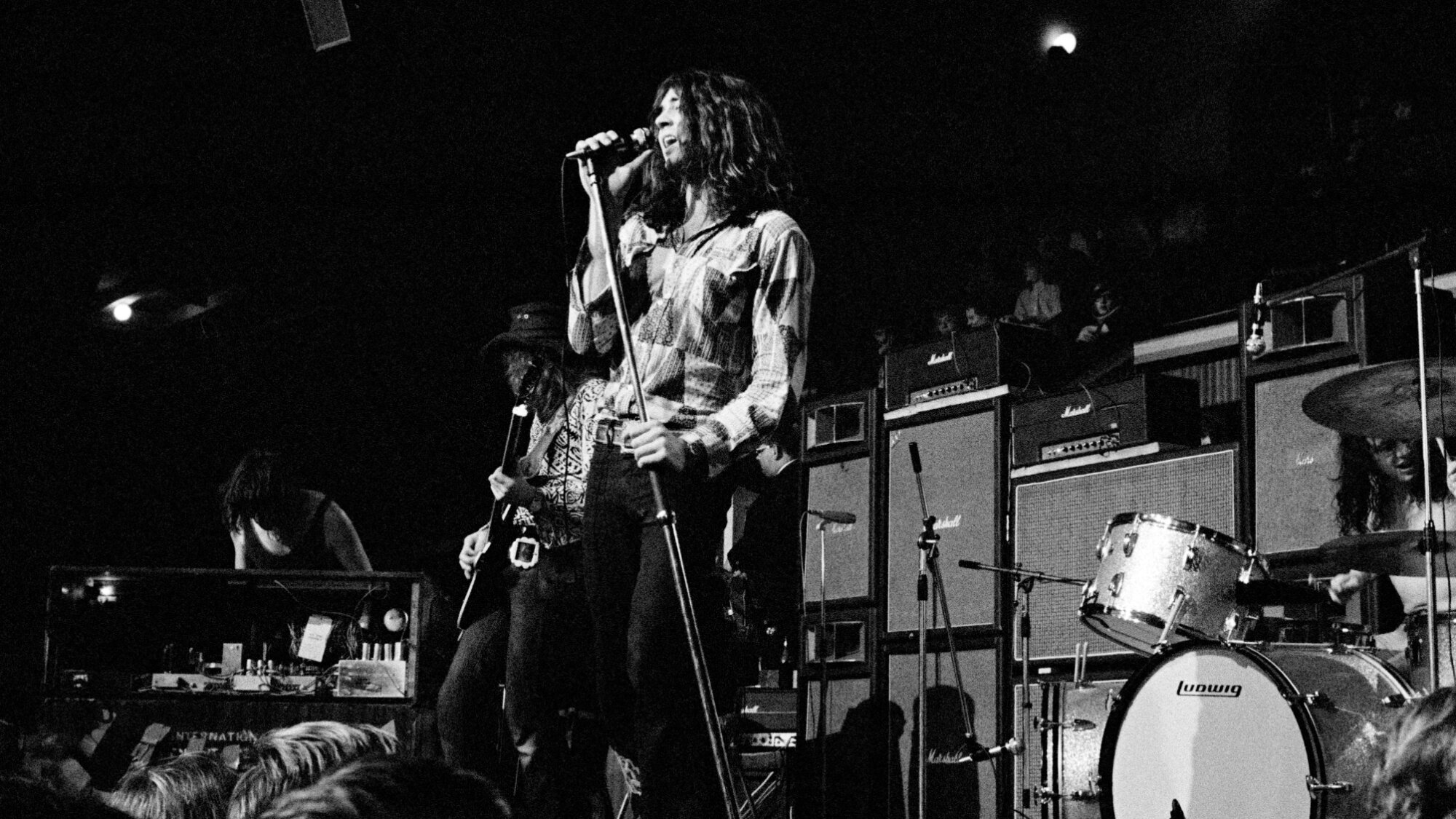
Deep Purple achieved a significant milestone on April 22, 1972, when their album Machine Head reached the top spot on the UK Albums Chart. This success marked a turning point for the band as they sought to break away from the conventional studio sound and capture the raw energy of their live performances. Despite facing challenges during the recording process, including a fire at the Montreux Casino in Switzerland, Deep Purple managed to create a groundbreaking album that would leave a lasting impact on the music industry.
Machine Head not only topped charts in various countries but also produced two iconic tracks, "Smoke on the Water" and "Highway Star," which have become timeless classics in the realm of rock music. The story behind "Smoke on the Water" is particularly legendary, recounting the band's experience at the Montreux Casino and their subsequent relocation to the Grand Hotel for recording. The song's lyrics vividly depict the events that unfolded, including the involvement of Claude Nobs, a local fireman and friend of the band.
Despite initially considering "Smoke on the Water" as a filler track, Deep Purple's vocalist Ian Gillian revealed that the song came together as a result of a last-minute decision to include it on the album. The band's resourcefulness in utilizing a soundcheck recording from the Pavilion, where they were forced to leave due to noise complaints, ultimately led to the creation of a heavy metal classic. The song's autobiographical nature, detailing the challenges faced during the recording process, adds a layer of authenticity to its enduring appeal.
Decades after its release, Machine Head continues to inspire musicians and bands worldwide, showcasing the enduring influence of Deep Purple's innovative approach to rock music. The album's legacy, coupled with the iconic status of "Smoke on the Water," solidifies Deep Purple's place in music history as pioneers of the heavy metal genre.