From Bob & Earl to House of Pain: The Enduring Legacy of 'Harlem Shuffle
Discover the fascinating history behind the iconic song "Harlem Shuffle" by Bob & Earl. This R&B hit from 1963 not only introduced a new dance craze but also became a bridge between Mod culture, stadium rock, and 1990s hip-hop. The duo, originally consisting of Bobby Day and Earl Nelson, faced a branding crisis when Day left for a solo career. Earl found a replacement in Bobby Relf, and together they recorded their biggest hit, "Harlem Shuffle."
Interestingly, the dance associated with the song was created after its release, inspired by an instrumental track called "Slauson Shuffletime." Despite its initial commercial failure in the UK, "Harlem Shuffle" gained popularity when reissued in 1969, reaching number seven on the UK charts. The song also found a fan in George Harrison, who included it in his favorite playlist from the era.
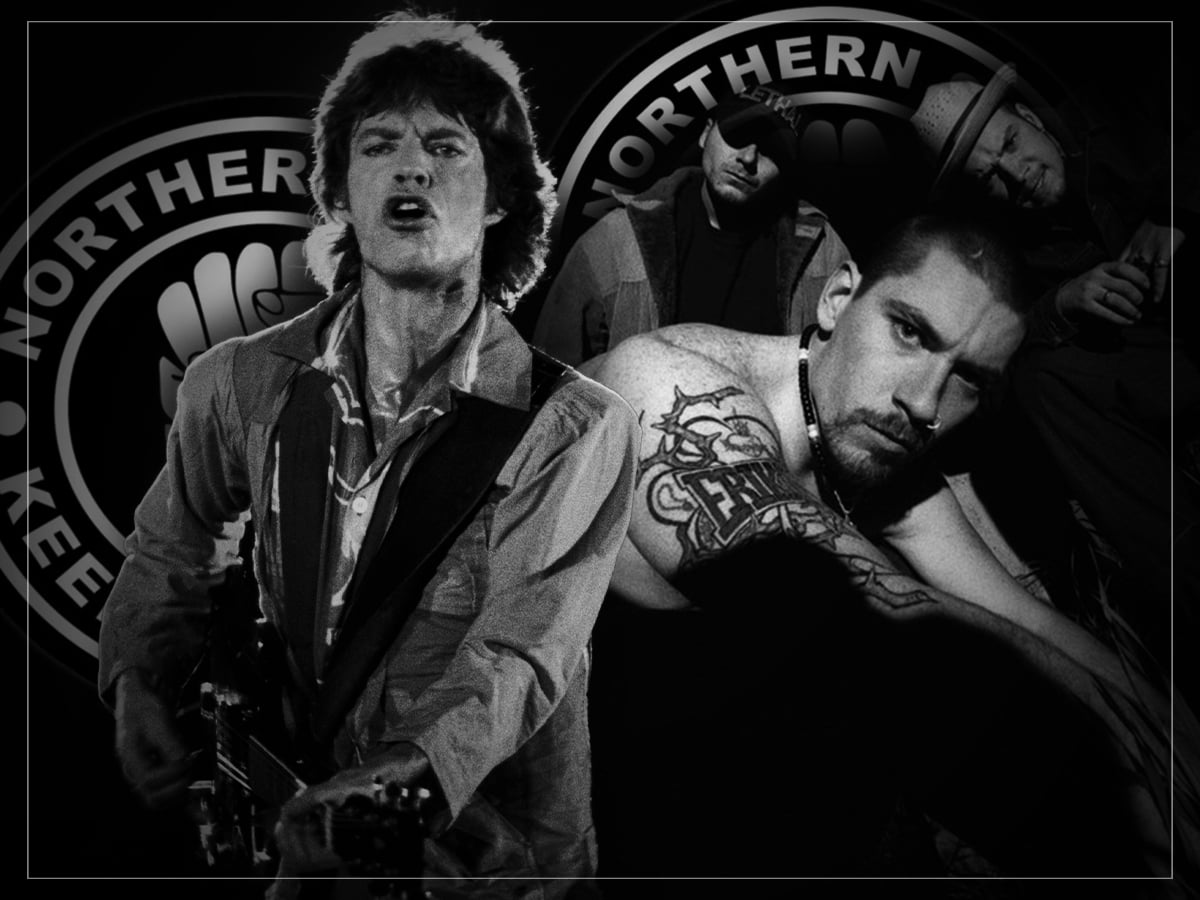
In the 1980s, Keith Richards of The Rolling Stones was determined to include a cover of "Harlem Shuffle" on one of their albums. After years of trying to persuade Mick Jagger to sing it, they finally recorded their version, which became a hit in the US, UK, and New Zealand. The song had already made its mark in the northern soul scene in England, becoming a staple at clubs like The Room at the Top and The Oaks.
In 1992, House of Pain revitalized "Harlem Shuffle" by using a rejected beat from producer DJ Muggs, originally intended for Cypress Hill. The hip-hop trio recognized the song's potential and turned it into their hit track "Jump Around." Sampling the original song's horn blast, House of Pain's version became a chart-topper, showcasing the song's enduring appeal across different genres and eras.
From its roots in the '60s to its resurgence in the '90s and beyond, "Harlem Shuffle" continues to influence music and pop culture. Whether featured in films like Baby Driver or sampled by artists like Busta Rhymes and Eminem, this timeless track remains a versatile and enduring piece of musical history, ready to inspire future generations of music lovers.