Secret Invasion: Marvel's Misstep in the Streaming Universe
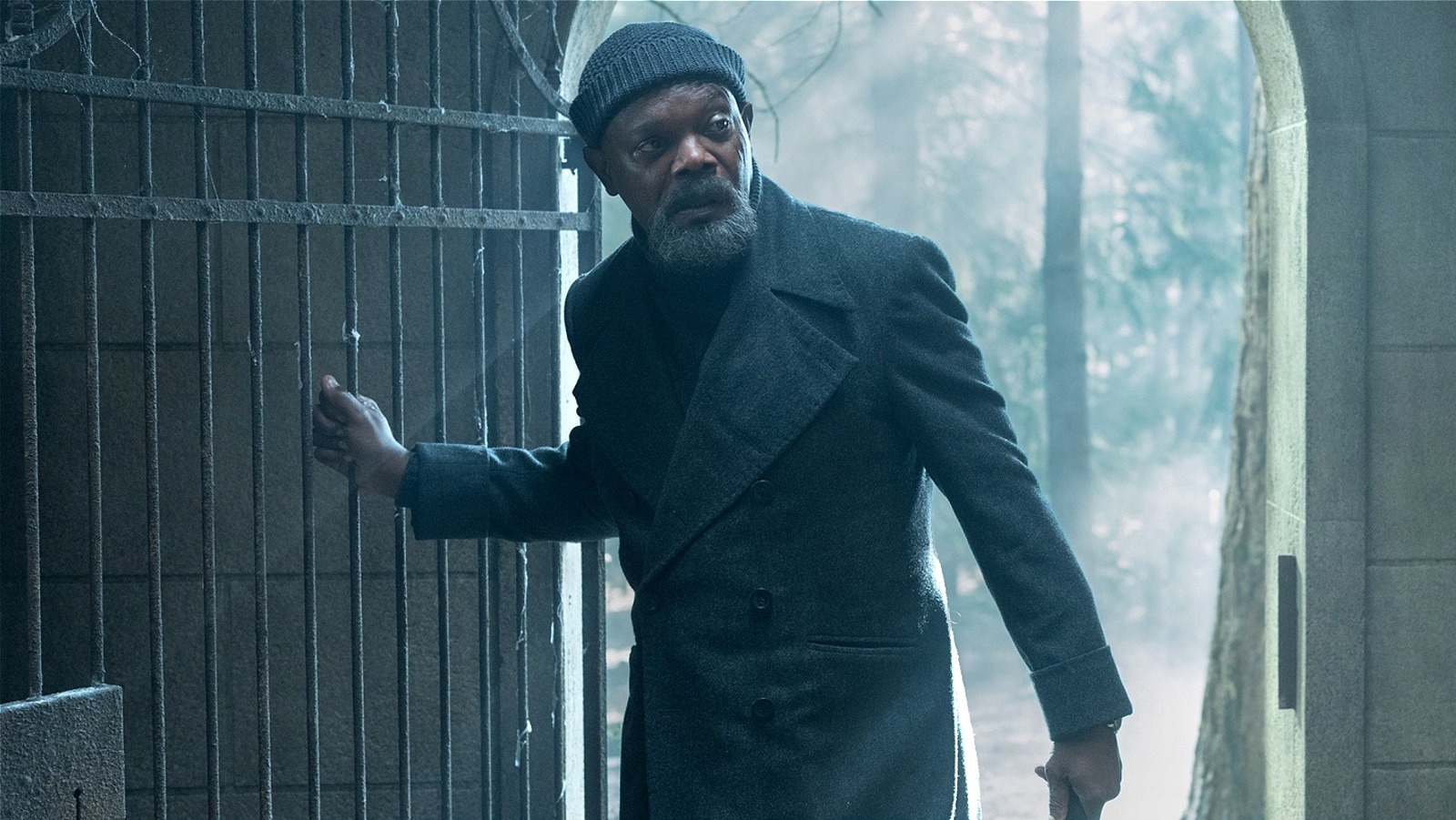
Marvel Studios faced a significant setback with the release of "Secret Invasion," a streaming television series that failed to resonate with audiences and critics alike. The show's poor viewership numbers, critical reception, and budget overruns prompted Marvel to reevaluate its approach to streaming content. This led to a greater separation between theatrical movies and streaming series, as well as a shift towards lower-budget TV productions. The show's lack of impact on the larger Marvel Cinematic Universe (MCU) suggests that it will fade into obscurity, unlike other successful MCU properties.
"Secret Invasion" starring Samuel L. Jackson as Nick Fury battling Skrulls, faced several challenges that contributed to its failure. The show's timing, inability to distinguish itself from other spy shows, and overall artistic execution were major factors in its downfall. The series debuted amidst a saturated market of acclaimed streaming and premium cable TV shows, making it difficult for "Secret Invasion" to stand out and attract viewers. The show's lackluster critical reception and unengaging storytelling further alienated audiences, leading to its ultimate demise.
The show's failure highlighted the changing landscape of the MCU, which had previously enjoyed widespread success with its movies. However, the expansion of MCU programming across different platforms and the convergence of storytelling formats led to audience fatigue and backlash. The release of "Ant-Man and the Wasp: Quantumania" prior to "Secret Invasion" further compounded the challenges faced by the show, as viewers grew weary of the franchise's offerings. Despite its potential as a darker, spy-themed series, "Secret Invasion" failed to capture the audience's interest and fell short of expectations.
In a genre saturated with successful spy shows like "Slow Horses" and "The Americans," "Secret Invasion" struggled to make a mark due to its shallow storytelling and lack of thematic depth. The show's grim atmosphere and uninspired execution failed to resonate with viewers, who had access to a plethora of superior spy-themed content. Marvel's reluctance to take creative risks and its adherence to a formulaic approach hindered "Secret Invasion's" ability to compete with other acclaimed spy shows, ultimately leading to its downfall.
Marvel's decision to release multiple sci-fi projects in quick succession also contributed to "Secret Invasion's" failure. The show's premise of shape-shifting aliens infiltrating the human world failed to stand out amidst a sea of similar sci-fi content from the MCU. The company's shift towards sci-fi projects in Phases Four and Five diluted the uniqueness of "Secret Invasion," making it just another entry in a crowded genre. The show's inability to carve out its own identity within the MCU's expansive universe further diminished its appeal and relegated it to obscurity.
In conclusion, "Secret Invasion" serves as a cautionary tale for Marvel Studios, highlighting the challenges of expanding its content across different platforms and genres. The show's failure underscores the importance of originality, engaging storytelling, and strategic planning in creating successful television content within the MCU. Despite its missteps, "Secret Invasion" remains a pivotal moment in Marvel's evolution, prompting the studio to reevaluate its approach to streaming television and learn valuable lessons for future projects.