Exploring Bob Dylan's Lyrical Legacy: From Masterpieces to Missteps
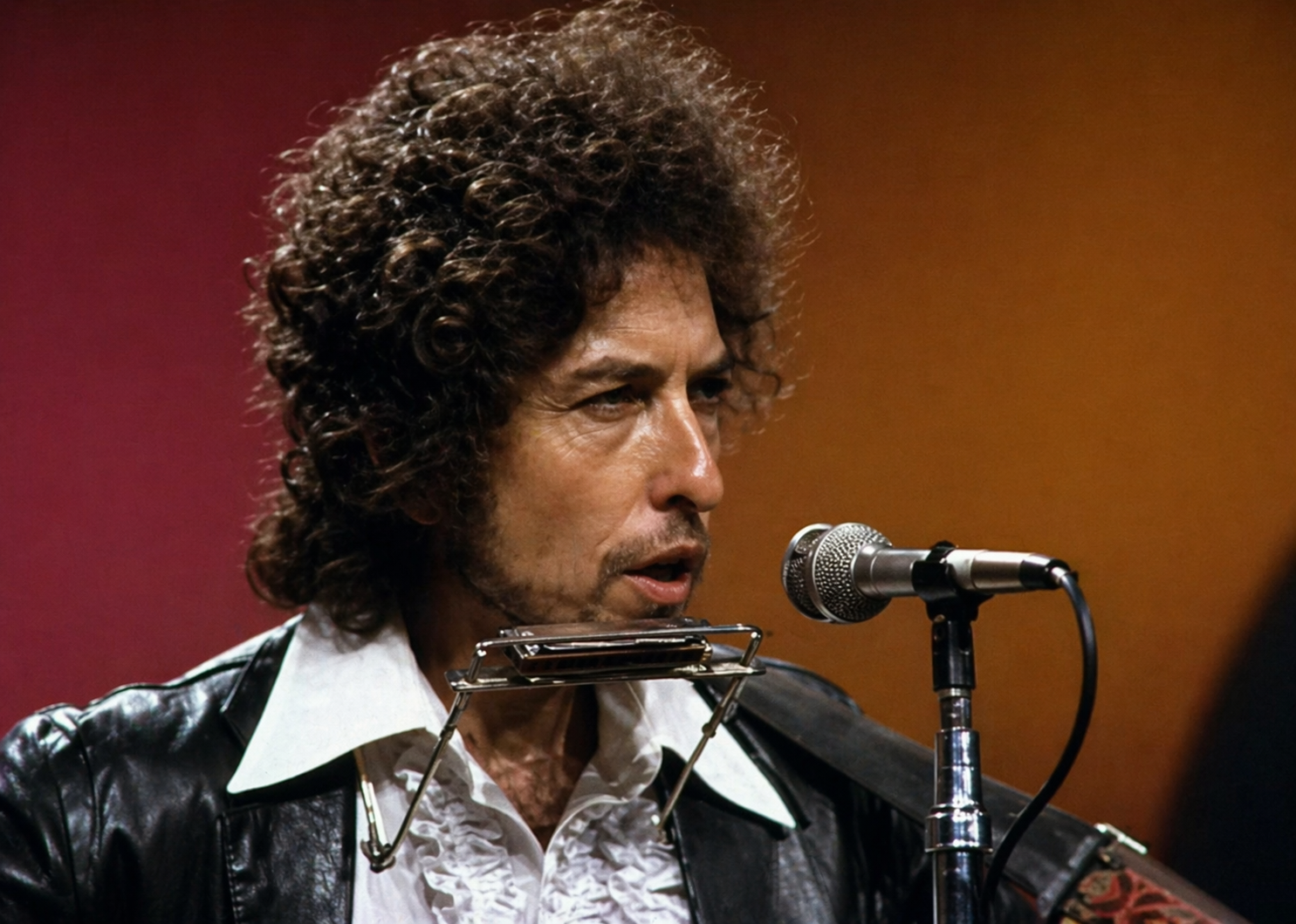
Bob Dylan is a legendary figure in the world of music and songwriting. His impact on popular music is undeniable, with his poetic lyrics reshaping the boundaries of the genre. Emerging from the folk scene of Greenwich Village, Dylan's influence extended to artists like The Beatles, Leonard Cohen, and Joni Mitchell. His receipt of the Nobel Prize in Literature solidified his status as a literary force, and the sale of his publishing rights for $300 million highlighted the enduring value of his work.
Dylan's peak writing is unparalleled, with songs like "Like A Rolling Stone" and "Masters of War" showcasing his mastery of language. However, his vast catalog also reveals moments of inconsistency. Songs like "Ballad in Plain D" and "Wiggle Wiggle" are examples of his less successful compositions, showing a rare lapse in lyrical rigor. While some lines, like "The sun ain’t yellow, it’s chicken," spark debate over their meaning, others from songs like "Ring Them Bells" and "Bob Dylan’s 115th Dream" veer into awkward or whimsical territory.
"I Shall Be Free No.10" encapsulates Dylan's more divisive tendencies, blending social commentary with surreal humor. While some defend the song as a deliberate embrace of absurdist tradition, others find its exaggerated nonsense less insightful and more indulgent. The song's surreal passages, including references to a "weird monkey," blur the line between satire and self-parody, highlighting the risks of artistic freedom.
Despite these occasional missteps, Dylan's legacy remains intact. His willingness to experiment and push boundaries is what led to his greatest achievements. The flaws in his lyrics serve as reminders of his humanity and the importance of artistic exploration. Dylan's weaker moments are essential counterpoints that make his exceptional work even more extraordinary.